Quranic Answer
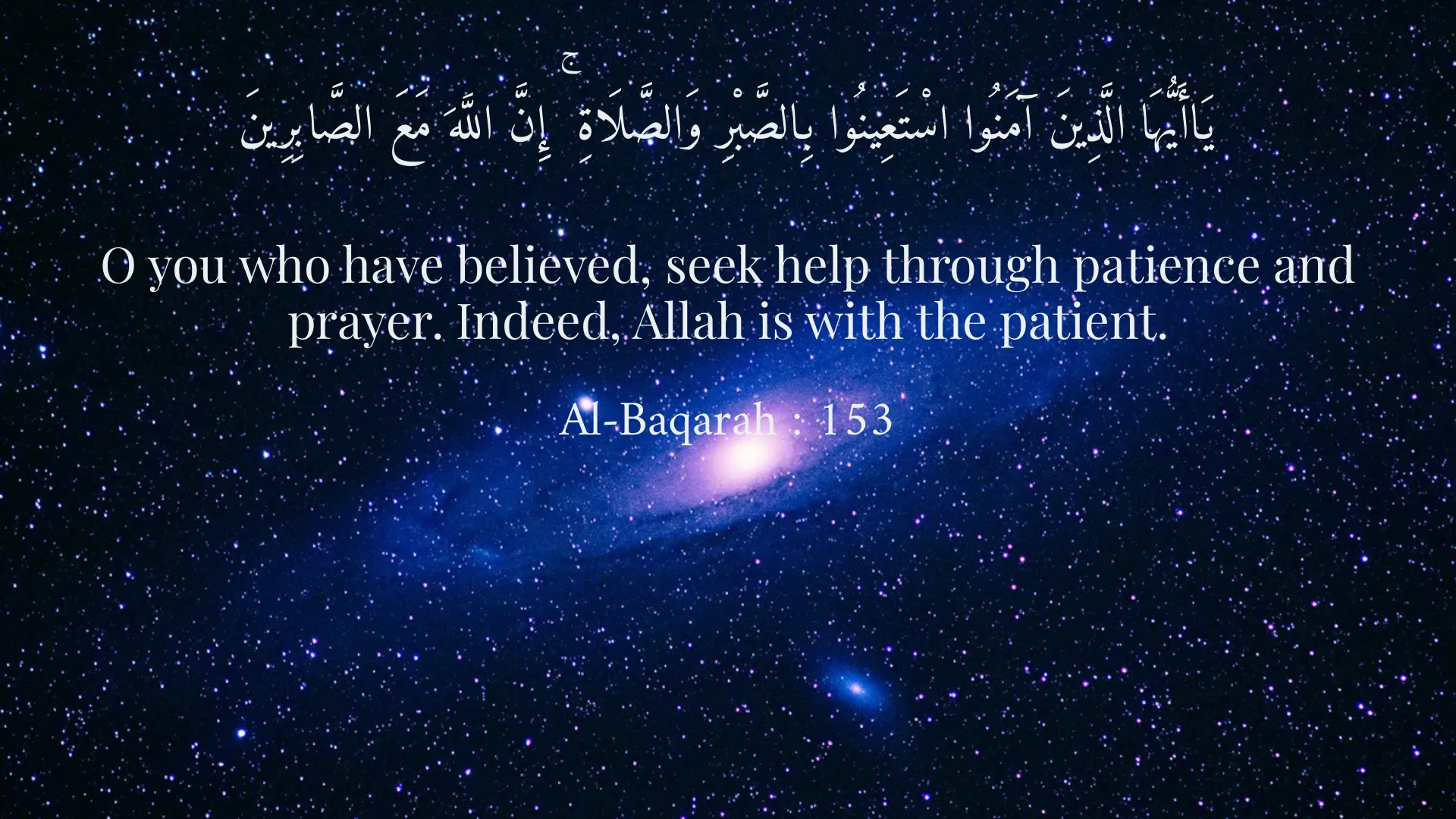
The question, "How to be patient in the face of people's unfair judgments?" is a profound and common human struggle. In a world where opinions are readily shared and judgments often swiftly cast, maintaining inner peace and integrity can be challenging, especially when faced with injustice or baseless accusations. The Holy Quran, with its timeless wisdom, offers comprehensive guidance on navigating such tribulations, emphasizing the virtues of patience (Sabr), reliance on Allah (Tawakkul), and maintaining one's focus on divine approval rather than fleeting human validation. At the heart of the Quranic teaching is the concept of patience. Sabr is not merely passive endurance but an active, conscious, and resilient steadfastness in the face of adversity, whether it be hardship, temptation, or the scorn of others. It involves self-control, perseverance, and unwavering commitment to what is right, all for the sake of Allah. The Quran repeatedly exalts the status of those who are patient, promising them immense rewards and divine companionship. Allah says in Surah Al-Baqarah (2:153): "O you who have believed, seek help through patience and prayer. Indeed, Allah is with the patient." This verse profoundly connects patience with prayer, highlighting them as twin pillars of support in challenging times. When people cast unfair judgments, it is a form of trial, testing one's resolve and faith. By turning to patience, an individual cultivates inner strength, preventing bitterness and resentment from taking root. Prayer, on the other hand, serves as a direct line to Allah, offering solace, guidance, and the reassurance that one is not alone in their struggle. It reminds us that our ultimate recourse is to the All-Just. Furthermore, the Quran reminds us that human judgments are often flawed, incomplete, and driven by various biases, including ignorance, envy, or personal agendas. They are temporary and have no ultimate bearing on one's true worth in the sight of Allah. The true measure of a person is their character, their deeds, and their sincerity towards their Creator. Allah, the All-Knowing, is the ultimate judge, aware of all that is hidden in the hearts and minds. Surah Al-Mulk (67:13) states: "And conceal your speech or publicize it; indeed, He is Knowing of that within the breasts." This powerful verse reassures believers that no matter what people say or think, Allah knows the truth. This divine knowledge is the ultimate source of comfort and validation. When one internalizes this truth, the sting of human judgment significantly diminishes. Focusing on earning Allah's pleasure, rather than seeking approval from fallible humans, becomes the paramount objective. The lives of the Prophets, as depicted in the Quran, serve as the most inspiring examples of patience in the face of unjust judgment and persecution. Prophets like Noah, Abraham, Moses, Jesus, and especially Prophet Muhammad (peace be upon them all) endured relentless mockery, false accusations, and severe abuse from their communities. Yet, they remained steadfast, never wavering from their mission. Allah states in Surah Al-An'am (6:34): "And certainly were messengers denied before you, but they were patient over [the effects of] denial, and they were harmed until Our help came to them." This verse offers profound solace: experiencing rejection or unjust criticism is not new; it is a path trodden by the most beloved of Allah's servants. Their patience and perseverance ultimately led to divine help and victory. Their example teaches us to look beyond immediate pain and keep our eyes on the ultimate outcome and divine reward. The Quran also provides practical strategies for dealing with people's negativity. One crucial approach is to gracefully turn away from ignorance and foolish talk. Surah Al-A'raf (7:199) advises: "Take what is given freely, enjoin what is good, and turn away from the ignorant." This is not a sign of weakness but a display of wisdom and self-respect. Engaging in futile arguments or trying to defend oneself against baseless accusations often escalates conflict and depletes one's energy. Instead, maintaining composure and choosing not to respond to malice or ignorance preserves one's inner peace and dignity. Another beautiful instruction comes from Surah Al-Furqan (25:63) regarding "the servants of the Most Merciful": "And when the ignorant address them [harshly], they say [only], 'Peace.'" This highlights a calm, dignified, and peaceful response, effectively defusing hostility without compromising one's values. Furthermore, a significant part of patience involves understanding the temporary nature of this worldly life (Dunya) and focusing on the eternal reward of the Hereafter (Akhirah). Earthly trials, including unfair judgments, are fleeting. The true, lasting judgment and reward await us with Allah. This perspective helps us to put the opinions of people into their proper, limited context. It encourages us to continue doing good, regardless of whether it is recognized or appreciated by others, knowing that our efforts are recorded and valued by the Almighty. Developing inner strength, rooted in faith and genuine intention (Niyyah), means that our self-worth is derived from our connection to Allah, not from the approval or disapproval of others. This resilience enables one to navigate life's challenges with tranquility and purpose. In conclusion, the Quranic path to enduring unfair judgments is multi-faceted. It requires cultivating profound patience, seeking constant solace and strength through prayer, remembering that Allah is the ultimate and most just judge, and drawing inspiration from the unwavering steadfastness of the Prophets. It also involves practical wisdom: learning when to disengage gracefully from negativity, maintaining one's noble character, and keeping one's focus firmly on divine approval. By internalizing these profound teachings, believers can transform the pain of unjust criticism into an opportunity for spiritual growth, emerging stronger, more serene, and deeply connected to their Creator, confident that their ultimate reward lies with Him.
Related Verses
يَاأَيُّهَا الَّذِينَ آمَنُوا اسْتَعِينُوا بِالصَّبْرِ وَالصَّلَاةِ ۚ إِنَّ اللَّهَ مَعَ الصَّابِرِينَ
O you who have believed, seek help through patience and prayer. Indeed, Allah is with the patient.
Al-Baqarah : 153
وَلَقَدْ كُذِّبَتْ رُسُلٌ مِّن قَبْلِكَ فَصَبَرُوا عَلَىٰ مَا كُذِّبُوا وَأُوذُوا حَتَّىٰ أَتَاهُمْ نَصْرُنَا ۚ وَلَا مُبَدِّلَ لِكَلِمَاتِ اللَّهِ ۚ وَلَقَدْ جَاءَكَ مِن نَّبَإِ الْمُرْسَلِينَ
And certainly were messengers denied before you, but they were patient over [the effects of] denial, and they were harmed until Our help came to them. And there is no changer of the words of Allah. And there has already come to you some information about the messengers.
Al-An'am : 34
وَعِبَادُ الرَّحْمَٰنِ الَّذِينَ يَمْشُونَ عَلَى الْأَرْضِ هَوْنًا وَإِذَا خَاطَبَهُمُ الْجَاهِلُونَ قَالُوا سَلَامًا
And the servants of the Most Merciful are those who walk upon the earth easily, and when the ignorant address them [harshly], they say [only], 'Peace.'
Al-Furqan : 63
Short Story
In a bustling town, there lived a virtuous merchant. Despite his honest dealings, some envious souls spread rumors and judged him unfairly. The merchant, though hurt, sought counsel from an old, wise dervish. The dervish, with a serene smile, said, 'My dear child, know that the true value of a jewel is not determined by the dust that gathers on it, nor by the words of those who cannot appreciate its brilliance. Let the wind carry away their empty words, for your steadfastness in truth and your reliance on the Almighty are your shield. Just as the sun continues to shine regardless of the clouds, so too should your good deeds illuminate, undimmed by transient shadows.' The merchant understood, found peace, and continued his life with unwavering integrity, proving the dervish's wisdom through his actions.