Quranic Answer
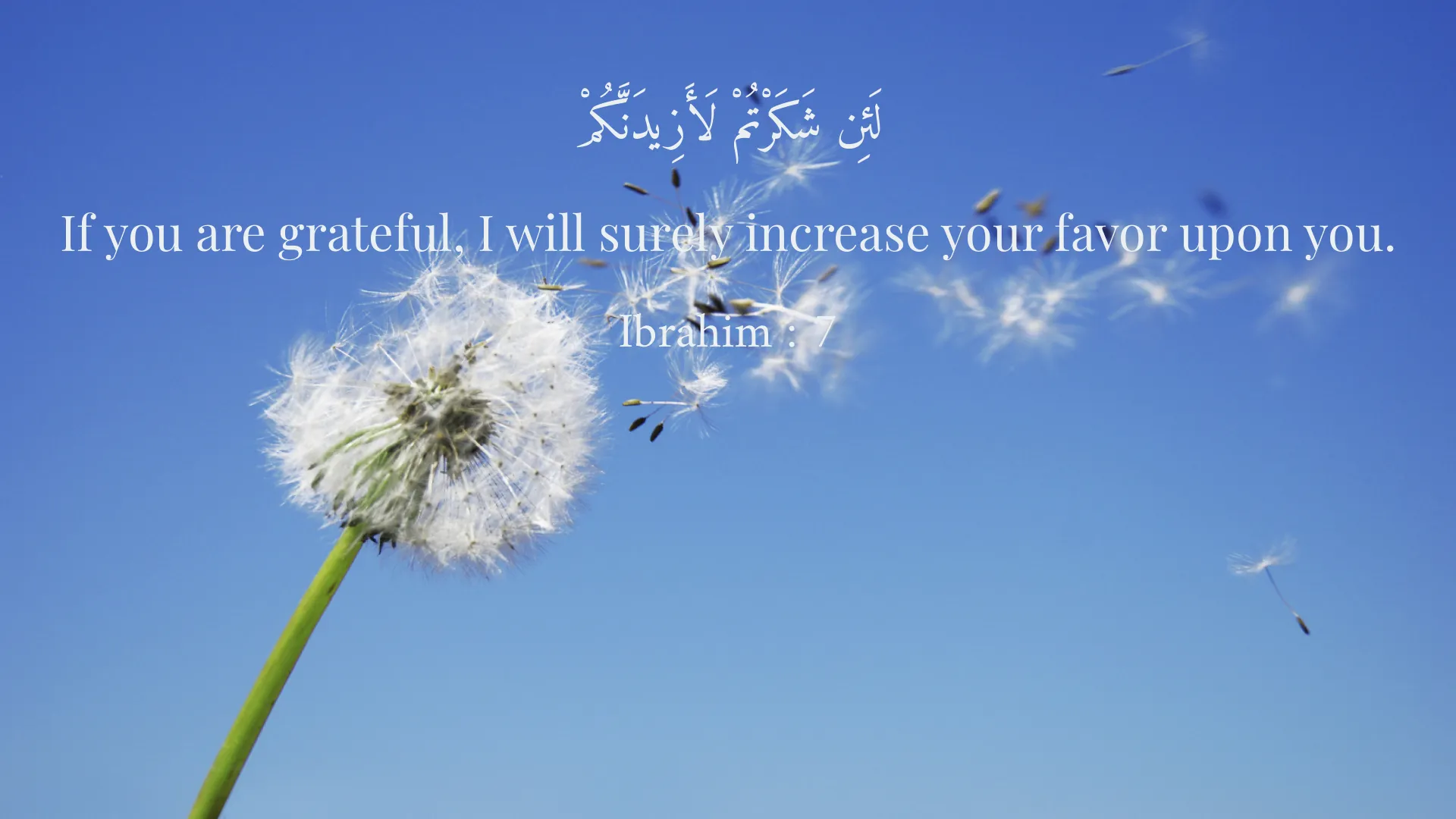
Gratitude is a profound and essential aspect of human existence, especially highlighted in the Holy Quran. It serves as a pillar in the life of a believer, calling for the recognition of God’s countless favors and blessings, particularly during moments of adversity. This article delves deeply into the significance of gratitude as emphasized in the Quran, elucidating its transformative power, especially during hardship and difficulty, as well as its capacity to foster both inner peace and hope. The Holy Quran continuously reiterates the importance of gratitude in various verses, including the poignant message found in Surah Ibrahim, verse 7, which states, ‘If you are grateful, I will surely increase your favor upon you.’ This sacred verse not only serves to remind us of the bounties of God but also establishes a direct correlation between gratitude and the augmentation of divine blessings. This reinforces the idea that acknowledging God’s grace and expressing gratitude can lead to a more abundant life filled with blessings. In the context of hardship, the Quran's approach is one of empowerment. Instead of succumbing to despair, believers are called upon to transform these adverse experiences into catalysts for spiritual growth rooted in gratitude. The essence of faith is not merely in worship during times of ease but in devotional resilience amidst challenges. By cultivating an attitude of gratitude even in dire circumstances, we align ourselves more closely with God’s will, allowing the trials we face to become avenues for strengthening our faith. The act of recalling difficulties we have overcome can reignite feelings of gratitude in our hearts. Each challenge can be viewed not as a mere burden but as a lesson that has sculpted us into more profound, resilient beings. The act of reflection allows us to acknowledge God’s presence in our lives through these moments. For instance, when faced with a health issue, financial struggle, or emotional turmoil, taking a step back to reflect on the blessings we often take for granted, such as family, friendship, and the sustenance we receive, can fundamentally shift our perspective. Prayer is another crucial mechanism through which believers can embrace gratitude. Engaging in prayers that include expressions of thankfulness not only enhance our connection with God but significantly uplifts our spirits. By incorporating specific supplications that recognize both our trials and triumphs, we can foster a deeper sense of appreciation for our journey. This two-way dialogue with God enables us to articulate our gratitude in conjunction with our pleas for help, highlighting a symbiotic relationship that nurtures both aspects of our faith. Recitation of the Quran reinforces this notion of gratitude. As believers engage with the words of the Quran, they find guidance, solace, and a reminder of God’s continual mercy. Each verse serves as a prompt to reflect on our lives, and the act of recitation can be a powerful tool to anchor ourselves in gratitude. The beauty of these verses lies in their ability to resonate deeply with our individual experiences, encouraging a continual state of thankfulness irrespective of our current circumstances. Additionally, acts of service can serve as a practical demonstration of gratitude. When we reach out to assist those experiencing similar hardships, we not only reflect our thankfulness to God but also exhibit compassion towards others. This altruistic behavior creates a cycle of gratitude that can uplift entire communities. Helping others can foster an environment where gratitude flourishes, reflecting the Quran's beautiful teachings that encourage generosity, empathy, and solidarity. Indeed, being grateful during hard times is more than a directive; it is an effective strategy for not only enduring life's challenges but transcending them. When we find peace through gratitude, we create a fortress of hope within ourselves and inspire those around us to embrace a similar outlook. As we learn to appreciate our trials as vital components of life’s rich tapestry, we begin to cultivate a spirit of resilience that looks beyond immediate discomfort towards the potential for growth and transformation. In conclusion, the emphasis on gratitude in the Quran serves as a profound reminder of the divine directive to recognize and cherish our blessings, especially during tribulations. By embracing gratitude as an act of worship, believers can not only draw closer to God but also inspire hope and peace within themselves and their communities. Through prayer, reflection, recitation of the Quran, and service to others, we weave a life filled with gratitude and resilience, ultimately enhancing our spiritual journey and embodying the very essence of faith.
Related Verses
لَئِن شَكَرْتُمْ لَأَزِيدَنَّكُمْ
If you are grateful, I will surely increase your favor upon you.
Ibrahim : 7
وَلَنَبْلُوَنَّكُم بِشَيْءٍ مِّنَ الْخَوْفِ وَالْجُوعِ وَنَقْصٍ مِّنَ الْأَمْوَالِ وَالْأَنفُسِ وَالثَّمَرَاتِ ۗ وَبَشِّرِ الصَّابِرِينَ
And We will surely test you with something of fear and hunger and a loss of wealth and lives and fruits, but give good tidings to the patient.
Al-Baqarah : 155
ثُمَّ أَنشَأْنَاهُ خَلْقًا آخَرَ ۚ فَتَبَارَكَ اللَّهُ أَحْسَنُ الْخَالِقِينَ
Then We created him as another creation. So blessed is Allah, the best of creators.
Al-Mu'minun : 14
Short Story
Once, a woman named Maryam faced many challenges in her life. She decided that instead of complaining and feeling hopeless, she would focus on gratitude and recalling the blessings she had. Every day, she spent a few minutes remembering God's mercies, and with that, she cultivated peace and hope in her heart. Gradually, the pressures of life became lighter for her, and she was able to overcome her problems.