Quranic Answer
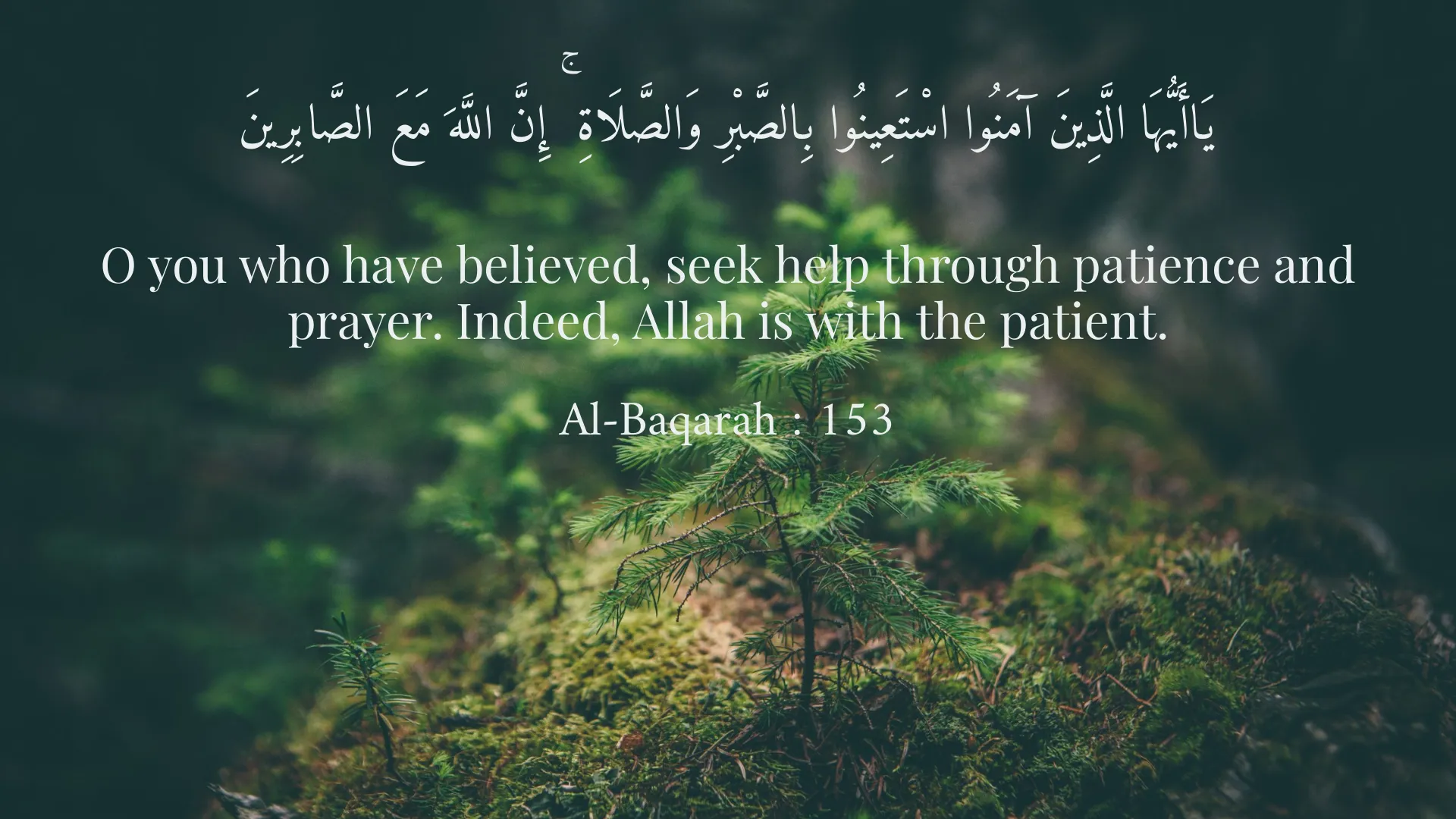
Discouragement and despair are natural human emotions that everyone may encounter at some point in their lives. These states can stem from failures, setbacks, financial difficulties, unsuccessful relationships, illness, or even unfulfilled expectations. However, Islam, particularly the Holy Quran, offers profound and effective solutions to combat these feelings. These solutions not only provide temporary relief but also address the root causes of discouragement, guiding individuals towards lasting peace and optimism. The Holy Quran teaches us that worldly life is full of trials and tribulations, and these challenges are an integral part of human existence, designed to lead individuals to perfection and test their faith. Understanding that difficulties and hardships are transient and that each holds a divine wisdom is the first step in combating discouragement. This perspective helps individuals face hardships with a higher outlook, encouraging them to seek the lessons and opportunities hidden within them, instead of sinking into despair. One of the most fundamental teachings of the Quran in confronting discouragement is the concept of "Sabr" (patience). Sabr in the Quran is not merely passive endurance of hardships; rather, it signifies steadfastness, perseverance, self-restraint, and active resilience in the face of difficulties and calamities. Sabr is a dynamic act that is accompanied by efforts to improve the situation, where the individual, relying on their inner and divine strength, does not surrender to despair. Allah, in numerous verses, commands believers to seek help through patience and prayer. Surah Al-Baqarah, verse 153, states: "O you who have believed, seek help through patience and prayer. Indeed, Allah is with the patient." This verse highlights that patience and prayer are two primary pillars for confronting challenges and maintaining inner peace. Prayer establishes a direct connection with the Creator, imbuing a person with a sense of divine presence and support, while patience fortifies the capacity to endure and remain steadfast against waves of despair. Sabr implies that a person, when facing hardships, should stand firm and not surrender to hopelessness. This patience is a dynamic act accompanied by efforts to improve the situation. In addition to patience, reliance on Allah (Tawakkul) is another key solution. Discouragement often arises when an individual feels a lack of control over circumstances or when the outcomes of their efforts are not as desired. Tawakkul means placing complete trust in Allah's divine plan after having exerted one's utmost effort and striving, leaving no stone unturned. The Quran teaches believers that if they rely on Allah, He will be sufficient for them and will take care of all their affairs. This outlook removes the heavy burden of despair from one's shoulders and guides them towards peace of mind. Surah At-Talaq, verse 3, declares: "And whoever relies upon Allah, then He is sufficient for him." This verse serves as a beacon of hope, indicating that even in the darkest moments, there is an all-sufficient Helper and Supporter who has the power to solve all problems, and nothing is impossible for Him. This belief provides a strong foundation for the individual and saves them from feeling helpless. The remembrance of Allah (Dhikr) also plays a pivotal role in dispelling discouragement. The human heart, by its very nature, yearns for tranquility and assurance, and this true serenity is found only in the remembrance of Allah. In Surah Ar-Ra'd, verse 28, the Quran states: "Those who have believed and whose hearts are assured by the remembrance of Allah. Unquestionably, by the remembrance of Allah hearts are assured." This verse articulates a deep psychological truth. In moments of discouragement, a person might feel lonely and helpless, but the remembrance of Allah reminds them that Allah is always present and observant, fully aware of the conditions of His servants. Recitation of the Quran, glorifications (Tasbihat), supplications (Du'a), and contemplation of divine verses are all forms of Dhikr that can purify the heart from anxiety and despair, filling it with the light of hope and assurance. Consistent remembrance not only brings inner peace but also keeps a person on the right path, preventing spiritual and intellectual deviations. Furthermore, the Quran teaches us that every hardship and difficulty is accompanied by ease and relief. This is a divine law explicitly stated in Surah Ash-Sharh, verses 5 and 6: "For indeed, with hardship [will be] ease. Indeed, with hardship [will be] ease." The repetition of this verse emphasizes the truth that no problem is eternal and that after every storm, tranquility arrives. This perspective helps individuals not to lose hope in moments of discouragement, knowing that the situation is temporary and a brighter future awaits them. This belief creates a tremendous driving force for continuing efforts and combating obstacles, preventing one from falling into the abyss of despair. This divine promise brings comfort to weary hearts, assuring them that every difficulty is a gateway to relief and ease. Finally, the Quran advises believers never to despair of Allah's mercy. Despairing of divine mercy is one of the greatest sins and a primary cause of deep discouragement. Surah Az-Zumar, verse 53, proclaims: "Say, 'O My servants who have transgressed against themselves [by sinning], do not despair of the mercy of Allah. Indeed, Allah forgives all sins. Indeed, it is He who is the Forgiving, the Merciful.'" This verse is a comforting and hopeful message, indicating that even at the peak of sin and error, there is a path back and forgiveness, let alone for worldly problems and hardships. When one knows that Allah is the Most Merciful of the merciful and that there are no dead ends on the path of His mercy, discouragement gives way to hope and vitality. This hope encompasses not only the forgiveness of sins but also the resolution of worldly matters and problems. Allah has promised His servants that whenever they seek refuge in Him and ask for His help, He is the Responder and will never abandon them. Thus, combating discouragement in Islam is a multifaceted process that involves strengthening faith, seeking refuge in patience and prayer, trusting in Allah, maintaining His remembrance, and adopting an optimistic outlook towards the future and Allah's boundless mercy. These teachings are not merely religious injunctions but practical roadmaps for achieving inner peace and confronting life's challenges at any time and in any place. By acting upon these teachings, one can shatter the walls of despair and experience a life full of meaning, hope, and tranquility.
Related Verses
يَاأَيُّهَا الَّذِينَ آمَنُوا اسْتَعِينُوا بِالصَّبْرِ وَالصَّلَاةِ ۚ إِنَّ اللَّهَ مَعَ الصَّابِرِينَ
O you who have believed, seek help through patience and prayer. Indeed, Allah is with the patient.
Al-Baqarah : 153
الَّذِينَ آمَنُوا وَتَطْمَئِنُّ قُلُوبُهُم بِذِكْرِ اللَّهِ ۗ أَلَا بِذِكْرِ اللَّهِ تَطْمَئِنُّ الْقُلُوبُ
Those who have believed and whose hearts are assured by the remembrance of Allah. Unquestionably, by the remembrance of Allah hearts are assured.
Ar-Ra'd : 28
قُلْ يَا عِبَادِيَ الَّذِينَ أَسْرَفُوا عَلَى أَنفُسِهِمْ لَا تَقْنَطُوا مِن رَّحْمَةِ اللَّهِ ۚ إِنَّ اللَّهَ يَغْفِرُ الذُّنُوبَ جَمِيعًا ۚ إِنَّهُ هُوَ الْغَفُورُ الرَّحِيمُ
Say, 'O My servants who have transgressed against themselves [by sinning], do not despair of the mercy of Allah. Indeed, Allah forgives all sins. Indeed, it is He who is the Forgiving, the Merciful.'
Az-Zumar : 53
فَإِنَّ مَعَ الْعُسْرِ يُسْرًا ﴿٥﴾ إِنَّ مَعَ الْعُسْرِ يُسْرًا ﴿٦﴾
For indeed, with hardship [will be] ease. Indeed, with hardship [will be] ease.
Ash-Sharh : 5-6
Short Story
Once, there was a wealthy and powerful king who, despite his immense possessions, was constantly troubled and discouraged. He was fed up with his inner turmoil and despair. One day, during his travels, he saw a dervish who, despite his poverty and lack of worldly goods, had a cheerful face and a serene heart, appearing to be free from any sorrow. The king, astonished, asked: "O Dervish, how is it that you, with so little, are so calm and joyful, while I, with all my wealth, find no moment of relief from pain and sorrow?" The dervish smiled and replied: "O King! You are the master of your body, but I am a servant of God. Whenever I face a problem, I recall that this situation too shall pass, and that the Merciful God does not neglect His servants. I extend my hand of hope towards Him, and He fills my heart with peace. I do not worry about tomorrow's sustenance, nor do I lament the past, for I know that whatever God wills, shall be, and there is goodness in it." The king was enlightened by the dervish's words and understood that peace and hope are not found in wealth, but in reliance on God and freedom from the bonds of worry. From that day forward, the king also strove to treat his discouragement with the remembrance of God and reliance on Him, and thus tasted the true flavor of tranquility.