Quranic Answer
Religious impatience is a challenge that many believers may encounter throughout their lives. It refers to the feelings of doubt, frustration, and anxiety that can arise when facing trials or when prayers seem unanswered. Such a state is not only detrimental to an individual’s spiritual journey but can also lead to a sense of isolation from the very faith that is meant to provide comfort and guidance. In a world often filled with distractions and rapid changes, maintaining patience and nurturing a strong spiritual connection can be daunting. However, the Holy Quran offers strategies and profound wisdom aimed at strengthening patience and perseverance in faith. Among the numerous verses, one of the most significant comes from Surah Al-Baqarah, where it is articulated: 'And seek help in patience and prayer' (Al-Baqarah: 153). This directive serves as a cornerstone in managing impatience and overcoming life's unavoidable challenges. It clearly highlights the dual approach that believers must adopt—patience and prayer. While it is easier said than done, daily prayers are instrumental in establishing a deeper connection with God, providing believers with a sanctuary away from the stresses and difficulties of life. Engaging in daily prayers forms a vital aspect of a believer's routine. Regular supplication allows for reflection, humility, and surrender to God’s will, which is crucial in easing feelings of impatience. When individuals actively seek God through their prayers, they also open themselves to the possibility of receiving divine wisdom and guidance. This transformative process fosters inner peace by reinforcing the understanding that trials are part of a larger divine plan and that patience is necessary for spiritual growth. Additionally, the Quran reassures us of the virtue of patience in the face of adversity through various verses. For instance, Surah Al-Imran, verse 139 states, 'And do not weaken or grieve, for you will surely be superior if you are true believers.' This verse serves as a reminder that maintaining strong faith in God is essential to overcoming difficulties and impatience. The promise of superiority resonates because it encourages believers to uphold their beliefs, even when faced with challenges that seem insurmountable. It reinforces the idea that true believers will ultimately reap the rewards of their faith, enduring hardships with patience and steadfastness. Moreover, supplication (dua) and remembrance of God (dhikr) act as powerful remedies for restoring morale and ensuring spiritual well-being. Surah Ar-Ra’d, verse 28 mentions, 'Unquestionably, by the remembrance of Allah hearts are assured.' This verse illustrates the significance of consistently remembering Allah and its profound impact on one's inner peace. In a world filled with distractions, remembrance can often provide clarity and comfort, helping individuals center themselves and alleviate feelings of impatience. To enhance our understanding, we can contemplate on the nature of patience itself. Patience in Islam is not merely about withholding oneself from acting or reacting. It is an active state of being that involves perseverance, perseverance under adversity, and the conscious decision to remain steadfast. Patience is also tied to gratitude; recognizing the blessings in our lives even when faced with challenges encourages a positive outlook. As the Quran illustrates, the struggle against impatience is a spiritual journey meant to refine character and elevate one's status in the eyes of God. In cultivating patience, believers are encouraged to broaden their view beyond immediate trials and to recognize them as temporary. Life’s challenges invite individuals to find meaning, learn resilience, and deepen their relationship with God. Regular engagement with the Quran can facilitate this process, as the verses provide inspiration and solace, reminding believers of the countless narratives of patience documented within scripture. Furthermore, congregational prayers can enhance feelings of community and shared faith, allowing believers to draw strength from one another. The sense of belonging can mitigate feelings of impatience by fostering support networks where individuals uplift each other during challenging times. Attending mosques not only strengthens individual faith but reinforces collective patience, as worshippers join together in remembrance and seeking solace through shared prayers. In addition to communal prayers, maintaining a personal connection with God through daily reflections and actions is essential. One tool believers might employ is to journal their thoughts and feelings, documenting instances of impatience and the subsequent resolutions found through prayer. By reflecting on previous challenges and how they were navigated through faith, individuals can gain insights that help to fortify their patience for future struggles. Furthermore, engaging in acts of charity and service to others can also alleviate feelings of impatience. Helping others allows individuals to step outside of their own circumstances and often puts their struggles into perspective. It reinforces the idea that trials are a universal aspect of the human experience, promoting empathy and patience towards oneself and others. To summarize, combating religious impatience necessitates a multi-faceted approach rooted in patience, prayer, and the remembrance of God. The guidance provided by the Quran serves as an invaluable resource for believers who navigate the often tumultuous journey of faith. Through consistent prayer, community involvement, and personal reflections, individuals can enhance their spiritual resilience. Ultimately, strengthening our relationship with God, making supplications, and cultivating an attitude of patience and gratitude posture believers to not only endure life’s challenges but to emerge stronger and more connected to their faith.
Related Verses
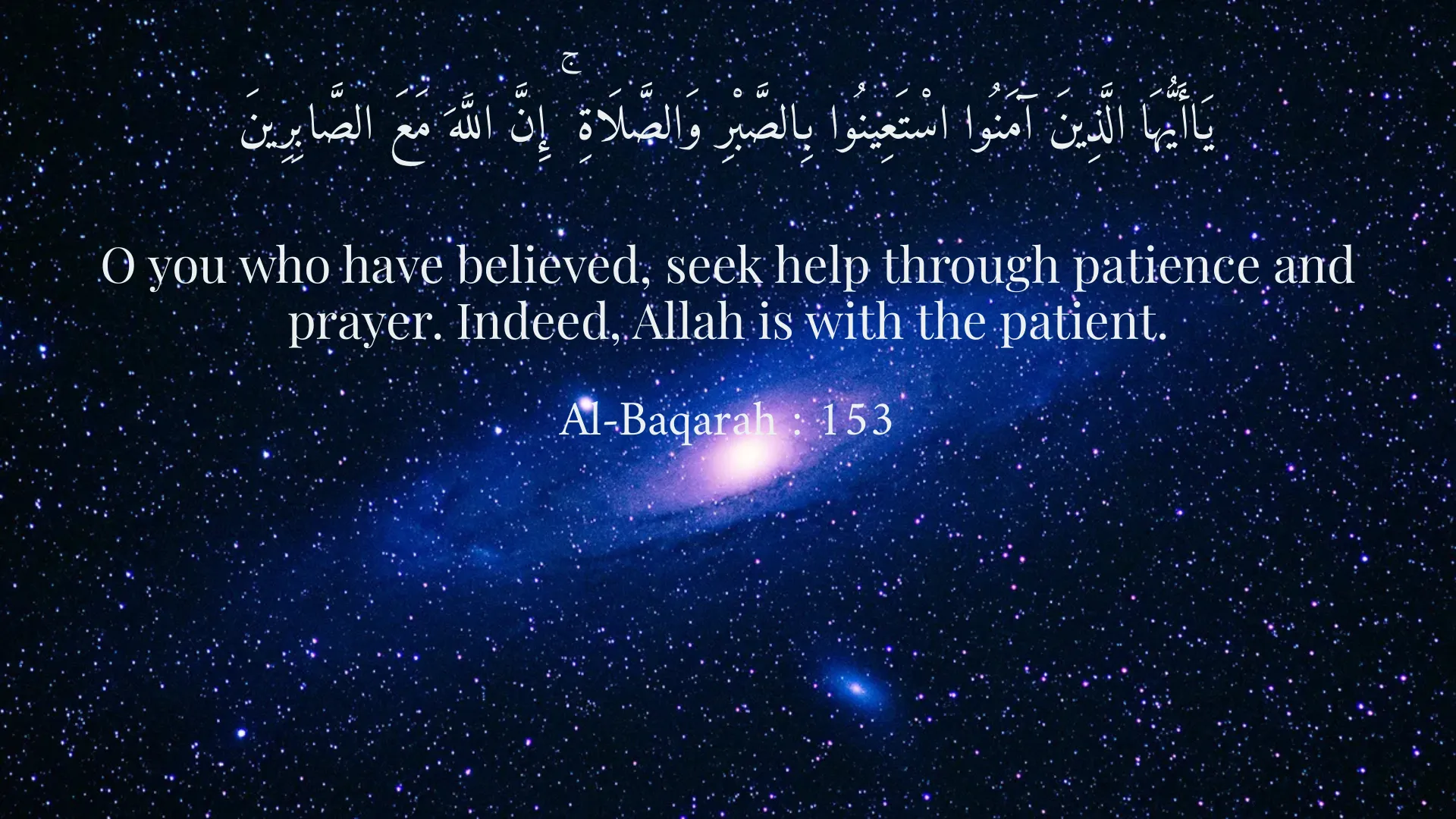
يَاأَيُّهَا الَّذِينَ آمَنُوا اسْتَعِينُوا بِالصَّبْرِ وَالصَّلَاةِ ۚ إِنَّ اللَّهَ مَعَ الصَّابِرِينَ
O you who have believed, seek help through patience and prayer. Indeed, Allah is with the patient.
Al-Baqarah : 153
وَلَا تَهِنُوا وَلَا تَحْزَنُوا وَأَنتُمُ الْأَعْلَوْنَ إِن كُنتُم مُّؤْمِنِينَ
And do not weaken or grieve, for you will surely be superior if you are true believers.
Al-Imran : 139
أَلَا بِذِكْرِ اللَّهِ تَطْمَئِنُّ الْقُلُوبُ
Unquestionably, by the remembrance of Allah hearts are assured.
Ar-Ra’d : 28
Short Story
One day, a teenager named Amir pondered the reasons for his impatience. He recalled the verses of the Quran that reminded him of how he could be patient and cope with his faith. He decided to dedicate time daily to prayer and supplication. Gradually, he felt that his life had changed, and he had gained more patience.