Quranic Answer
Spiritual burnout, or as it's often called, 'spiritual lassitude,' is an experience that can befall anyone on the path of spiritual journey and connection with the Almighty. This feeling of reluctance or weariness is neither a sign of absolute weakness of faith nor the end of one's servitude; rather, it is often an opportunity for deeper reflection and a restructuring of one's approach to God. The Holy Quran, this book of guidance and light, offers numerous solutions to combat such spiritual fatigue and reignite the fervor of worship. Understanding and applying these solutions can re-energize the heart and fill it with longing for the Creator. This issue is not just an individual challenge but an opportunity to deepen one's relationship with God, as it compels one to introspect and find the roots of this discouragement, so that, with Quranic guidance, one can overcome it and reach a higher stage of servitude. One of the most fundamental and potent ways to combat spiritual burnout is through 'Dhikr, or the remembrance of Allah.' The Quran explicitly states: "الَّذِينَ آمَنُوا وَتَطْمَئِنُّ قُلُوبُهُم بِذِكْرِ اللَّهِ ۗ أَلَا بِذِكْرِ اللَّهِ تَطْمَئِنُّ الْقُلُوبُ" (Ar-Ra'd: 28); meaning, "Those who have believed and whose hearts find satisfaction in the remembrance of Allah. Unquestionably, by the remembrance of Allah hearts are assured." This verse clearly indicates that the tranquility of the heart, and the removal of anxiety and spiritual weariness, are contingent upon the constant remembrance of God. Dhikr is not merely a verbal utterance; it is the presence of the heart and contemplation of the Lord's greatness and mercy. When one experiences spiritual burnout, the remembrance of God might have faded in their life. Reviving both verbal and heartfelt remembrance, from Tasbih (glorification) and Tahleel (declaration of God's oneness) to the thoughtful recitation of the Holy Quran, can remove the dust of heedlessness from the heart. The Quran is the living word of Allah, and reflecting upon its verses is akin to a direct conversation with the Lord, which nourishes the soul and strengthens faith. The more we become familiar with the meanings of the verses and apply them in our lives, the deeper our connection becomes, and the feeling of weariness gives way to longing. Even if the initial inclination is absent, persistence in remembrance and recitation will gradually soften the heart and return the lost sweetness. This perseverance is like watering a withered sapling, which gradually makes it green and fruitful again. Another crucial solution is 'patience (Sabr) and prayer (Salat),' as Allah says in Surah Al-Baqarah, verse 153: "يَا أَيُّهَا الَّذِينَ آمَنُوا اسْتَعِينُوا بِالصَّبْرِ وَالصَّلَاةِ ۚ إِنَّ اللَّهَ مَعَ الصَّابِرِينَ"; meaning, "O you who have believed, seek help through patience and prayer. Indeed, Allah is with the patient." Spiritual burnout might stem from feeling overwhelmed, from routine, or from a perceived lack of results from one's efforts. In such circumstances, patience and perseverance in one's servitude, and taking refuge in prayer as the pillar of religion and the believer's ascension, become vital. Prayer is an opportunity to disconnect from the world and purely connect with the Creator. Even if a complete sense of presence of heart is not achieved, merely standing before God is an act of submission and a plea for His assistance. It is essential not to let prayer become a mere habit, but rather to strive to perform it each time with purer intention and greater attentiveness. Sometimes, changing the location of prayer, or performing voluntary (nafl) prayers with the intention of drawing closer to Allah, can inject new vitality into worship. This patience and consistency will gradually yield their sweet fruits, restoring a sense of contentment and peace to the heart. Prayer is the remedy for every spiritual fatigue, and every prostration is a step towards tranquility and a return to the divine nature. Among other aspects emphasized by the Quran is 'understanding the purpose of creation and reflecting on divine signs.' In Surah Adh-Dhariyat, verse 56, we read: "وَمَا خَلَقْتُ الْجِنَّ وَالْإِنسَ إِلَّا لِيَعْبُدُونِ"; meaning, "And I did not create the jinn and mankind except to worship Me." Recalling this primary purpose can be a powerful motivator for returning to worship. When one understands that their existence, meaning, and purpose in life depend on their connection with the Creator, spiritual weariness loses its significance. Furthermore, the Quran repeatedly calls humanity to ponder over creation. In Surah Ali 'Imran, verses 190-191, it states: "إِنَّ فِي خَلْقِ السَّمَاوَاتِ وَالْأَرْضِ وَاخْتِلَافِ اللَّيْلِ وَالنَّهَارِ لَآيَاتٍ لِّأُولِي الْأَلْبَابِ * الَّذِينَ يَذْكُرُونَ اللَّهَ قِيَامًا وَقُعُودًا وَعَلَىٰ جُنُوبِهِمْ وَيَتَفَكَّرُونَ فِي خَلْقِ السَّمَاوَاتِ وَالْأَرْضِ..."; meaning, "Indeed, in the creation of the heavens and the earth and the alternation of the night and the day are signs for those of understanding. Who remember Allah while standing or sitting or [lying] on their sides and reflect upon the creation of the heavens and the earth..." Contemplating the astonishing order of the universe, the beauty of nature, and the majesty of creation enhances our knowledge of the Creator and instills divine love and awe in the heart, which is itself the driving force for sincere worship. This type of reflection liberates the heart from the confines of daily routine and materialism, allowing it to soar towards the infinite and divine beauty, resulting in increased pleasure and fervor in worship. Additionally, 'repentance (Tawbah), seeking forgiveness (Istighfar), and purifying the heart from sins' play a significant role in alleviating spiritual weariness. Sometimes, sins cast veils over the heart, preventing the light of guidance and the sweetness of worship from reaching it. The Holy Quran repeatedly emphasizes seeking forgiveness and returning to Allah. Sincere repentance cleanses the heart from impurities and increases its readiness to receive divine light. As mentioned in Surah Nuh (71:10-12), seeking forgiveness brings divine mercy and blessings. This mercy includes the opening of spiritual paths and a feeling of freshness in worship. Every sin, no matter how small, can leave an imprint on the soul and become an obstacle to a complete connection with God. Therefore, continuous purification of the heart through repentance and regret is one of the most important factors in dispelling discouragement. Moreover, one must constantly review their 'pure intention (Ikhlas).' Is our worship solely for Allah, or are there other motives? Sincerity of intention transforms worship from a heavy burden into a light flight, filling it with meaning and joy. A pure intention is itself the first step to reviving the spirit of worship, causing every action, no matter how small, to gain infinite value. Finally, a spiritual environment and companionship with the righteous are also highly effective. Although the Quran does not have specific verses directly addressing the impact of friends on spiritual burnout from worship, it generally advises companionship with the righteous and avoidance of evildoers, which indirectly affects one's spiritual state and strengthens their spiritual morale. Participating in gatherings of remembrance and knowledge, studying religious books, and listening to inspiring lectures can strengthen one's spiritual morale and help one find renewed enthusiasm. Observing the devotion of others and spiritual synergy within a community can itself be a powerful motivator to dispel lassitude. Spiritual burnout is a transitional phase that can be managed and overcome with the right approach and reliance on Quranic principles. This experience can be an opportunity to return to the embrace of the Lord with deeper understanding and true love, and to taste the sweetness of servitude with one's whole being. Through perseverance, sincerity, and supplication, we can cleanse the heart from the dust of lassitude and fill it with divine light and the longing for worship, continuing this path with steadfastness and hope to achieve eternal success and salvation.
Related Verses
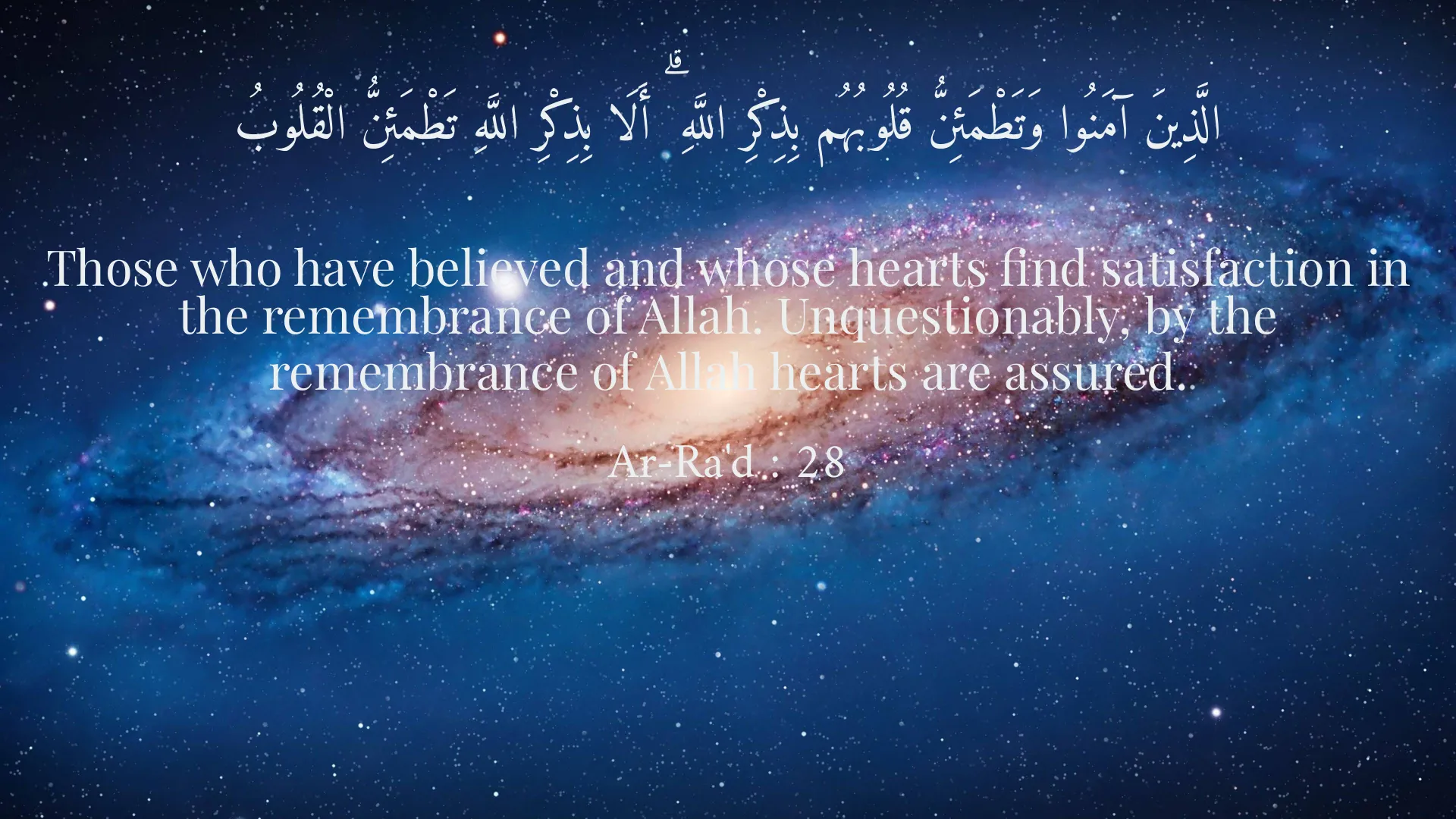
الَّذِينَ آمَنُوا وَتَطْمَئِنُّ قُلُوبُهُم بِذِكْرِ اللَّهِ ۗ أَلَا بِذِكْرِ اللَّهِ تَطْمَئِنُّ الْقُلُوبُ
Those who have believed and whose hearts find satisfaction in the remembrance of Allah. Unquestionably, by the remembrance of Allah hearts are assured.
Ar-Ra'd : 28
يَا أَيُّهَا الَّذِينَ آمَنُوا اسْتَعِينُوا بِالصَّبْرِ وَالصَّلَاةِ ۚ إِنَّ اللَّهَ مَعَ الصَّابِرِينَ
O you who have believed, seek help through patience and prayer. Indeed, Allah is with the patient.
Al-Baqarah : 153
وَمَا خَلَقْتُ الْجِنَّ وَالْإِنسَ إِلَّا لِيَعْبُدُونِ
And I did not create the jinn and mankind except to worship Me.
Adh-Dhariyat : 56
Short Story
In Saadi's Gulistan, it is related that a dervish said to Sheikh Ibrahim: "For some time now, I have felt weary of prayer and Quranic recitation, and I find no sweetness in worship." The Sheikh smiled and said: "O young man, treasures lie beneath ruins, and fruits behind thorns. Have you ever seen a farmer sow seeds daily but never water them, yet expect a harvest? The heart is like a garden; if you do not tend to it, weeds will prevail. The rust from the heart is removed by remembrance, contemplation, and recitation of the Quran. Whenever you quench your heart with divine love, worship will not only cease to be a burden but will become wings for flight. The wise man knows that the light of faith shines from within, and if the heart is illuminated, every action becomes a sweet act of worship. So, instead of complaining of weariness, purify your heart so that the spring of life may gush forth from it, and from every prostration and every remembrance, you may taste the nectar of divine knowledge." The young man, enlightened by these words, began to practice contemplation and remembrance, and after a while, he regained the lost sweetness, realizing that the weariness was not from worship, but from heedlessness.