Quranic Answer
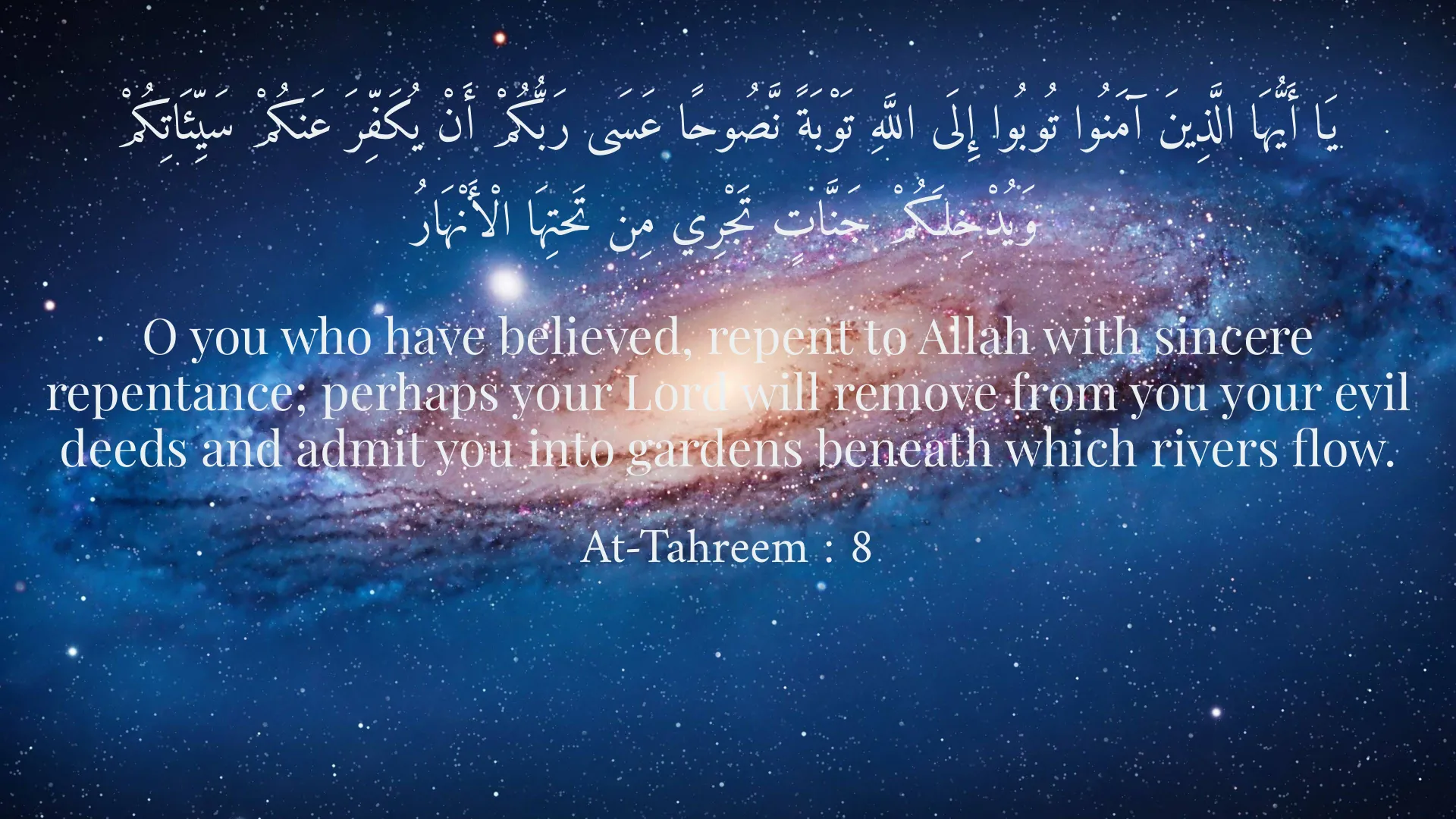
The Holy Quran serves as a profound source of guidance for Muslims, offering not only spiritual teachings but also practical methods for individuals seeking to cope with the burden of past sins. The Islamic perspective on sin is that while it leads to distance from Allah, there are ample opportunities for forgiveness through sincere repentance and the manifestation of compassion towards oneself. This article will explore various methods provided in the Quran to navigate the complexities of past wrongdoings, focusing on the significance of repentance, the importance of faith in Allah’s mercy, the transformative power of good deeds, and the establishment of a close relationship with Allah through continuous prayer. One of the foundational concepts in Islam is the act of repentance, known as 'Tawbah'. The significance of Tawbah is emphasized in Surah At-Tahreem, verse 8, which invites believers to sincerely turn back to Allah: "O you who have believed, repent to Allah with sincere repentance; perhaps your Lord will remove from you your evil deeds and admit you into gardens beneath which rivers flow." This verse encapsulates the essence of repentance as not merely a regretful feeling but as a committed, heartfelt turning towards Allah. The promise of forgiveness and the reward of paradise elucidate the immense grace of Allah in welcoming back those who have strayed. The act of repentance is the first and perhaps the most crucial step in relieving one’s conscience burdened by past misdeeds. It is a recognition of one’s errors and an acknowledgment of the desire to change. The process of Tawbah involves feeling remorseful about one’s actions, having the intention of not returning to those sins, and actively striving to improve oneself. This transformation leads not only to personal relief but also strengthens one’s relationship with Allah. Asking for forgiveness, known as istighfar, is encouraged frequently and sincerely. Moreover, having faith in Allah’s mercy and compassion plays a vital role in alleviating the struggles associated with past sins. In Surah Az-Zumar, verse 53, Allah reassures, "Say, 'O My servants who have believed, fear your Lord! For those who do good in this world is good, and the earth of Allah is spacious. Indeed, the patient will be given their reward without account.'" This verse highlights that believers should not be discouraged by their past mistakes. Instead, they are called to have hope in Allah’s boundless mercy. Believing that Allah can forgive all sins fosters a sense of peace and facilitates emotional healing. The emphasis on hope in Allah’s mercy is one of the most comforting aspects of Islamic teachings. It serves as a reminder to individuals that they are not defined by their errors; instead, they have the capacity to redeem themselves. The concept of forgiveness in Islam is transformative, encouraging individuals to seek betterment rather than dwelling on their past. It emphasizes that as long as one is sincere in their repentance, they can confidently expect mercy and forgiveness from Allah. In addition to repentance, rectification of past errors through good deeds is another avenue highlighted in the Quran. Surah Al-Furqan, verse 70 states: "Except for those who repent, believe and do righteous work. For them Allah will replace their evil deeds with good. And ever is Allah Forgiving and Merciful." This verse suggests that by engaging in good deeds and charitable acts, individuals can effectively combat the negative consequences of their past sins. It introduces the idea that one can counterbalance past wrongdoings with acts of kindness and moral behaviors. Performing good deeds serves not only as a form of compensation but also acts as a medium for personal growth. It instills a sense of purpose and fulfillment, allowing individuals to contribute positively to the lives of others. Whether it is through helping those in need, volunteering, or simply exhibiting kindness, these actions create a ripple effect of positivity, enabling the individual to evolve beyond their previous identity. Additionally, the consistent performance of good deeds fosters gratitude towards Allah and reminds one of their responsibilities as a member of the broader community. Lastly, establishing a close relationship with Allah and maintaining regular prayer is paramount in coping with the emotional and spiritual turmoil caused by past sins. A prayer, or 'Salah', serves as a vital link between the believer and their Creator. It is through prayer that one seeks forgiveness, guidance, and strength to overcome challenges. Engaging consistently in prayers facilitates a steady contemplation on one's behavior, providing an opportunity for self-reflection and accountability. Regular communication with Allah allows for a deeper understanding of His attributes, including mercy, compassion, and forgiveness. It helps to cultivate a sense of closeness where fear of sin is balanced with hope for forgiveness. The Quran encourages the establishment of such a relationship, guiding believers to rely on Allah not just as a deity to be feared but as a benevolent Lord willing to forgive those who sincerely repent. In conclusion, the journey of coping with past sins is often arduous, yet the Holy Quran provides an extensive framework to navigate these challenges. The practices of sincere repentance, unshakeable faith in Allah’s mercy, active engagement in good deeds, and dedication to consistent prayer form an integral part of this process. These methods not only enable one to seek forgiveness and relief from their past burdens but also guide them towards a life filled with purpose, awareness, and spiritual fulfillment. By adhering to these teachings, individuals can cultivate resilience and embrace a renewed sense of identity, continuously striving to achieve a better version of themselves as they move forward on their spiritual journey.
Related Verses
يَا أَيُّهَا الَّذِينَ آمَنُوا تُوبُوا إِلَى اللَّهِ تَوْبَةً نَّصُوحًا عَسَى رَبُّكُمْ أَنْ يُكَفِّرَ عَنكُمْ سَيِّئَاتِكُمْ وَيُدْخِلَكُمْ جَنَّاتٍ تَجْرِي مِن تَحتِهَا الْأَنْهَارُ
O you who have believed, repent to Allah with sincere repentance; perhaps your Lord will remove from you your evil deeds and admit you into gardens beneath which rivers flow.
At-Tahreem : 8
قُلْ يَا عِبَادِي الَّذِينَ آمَنُوا اتَّقُوا رَبَّكُمْ لِلَّذِينَ أَحْسَنُوا فِي هَذِهِ الْدُّنْيَا حَسَنَةٌ، وَأَرْضُ اللَّهِ وَاسِعَةٌ إِنَّمَا يُوَفَّى الصَّابِرُونَ أَجْرَهُمْ بِغَيْرِ حِسَابٍ
Say, 'O My servants who have believed, fear your Lord! For those who do good in this world is good, and the earth of Allah is spacious. Indeed, the patient will be given their reward without account.'
Az-Zumar : 53
إِلَّا مَنْ تَابَ وَآمَنَ وَعَمِلَ عَمَلًا صَالِحًا فَأُولَـئِكَ يُبَدِّلُ اللَّهُ سَيِّئَاتِهِمْ حَسَنَاتٍ وَكَانَ اللَّهُ غَفُورًا رَّحِيمًا
Except for those who repent, believe and do righteous work. For them Allah will replace their evil deeds with good. And ever is Allah Forgiving and Merciful.
Al-Furqan : 70
Short Story
One day, a young man named Ali was pondering how to come to terms with his past sins. He recalled the verses of the Quran and decided to repent to Allah. Ali would stand in prayer daily, asking Allah for forgiveness. Gradually, he began to feel lighter and continued his life with more peace.