Quranic Answer
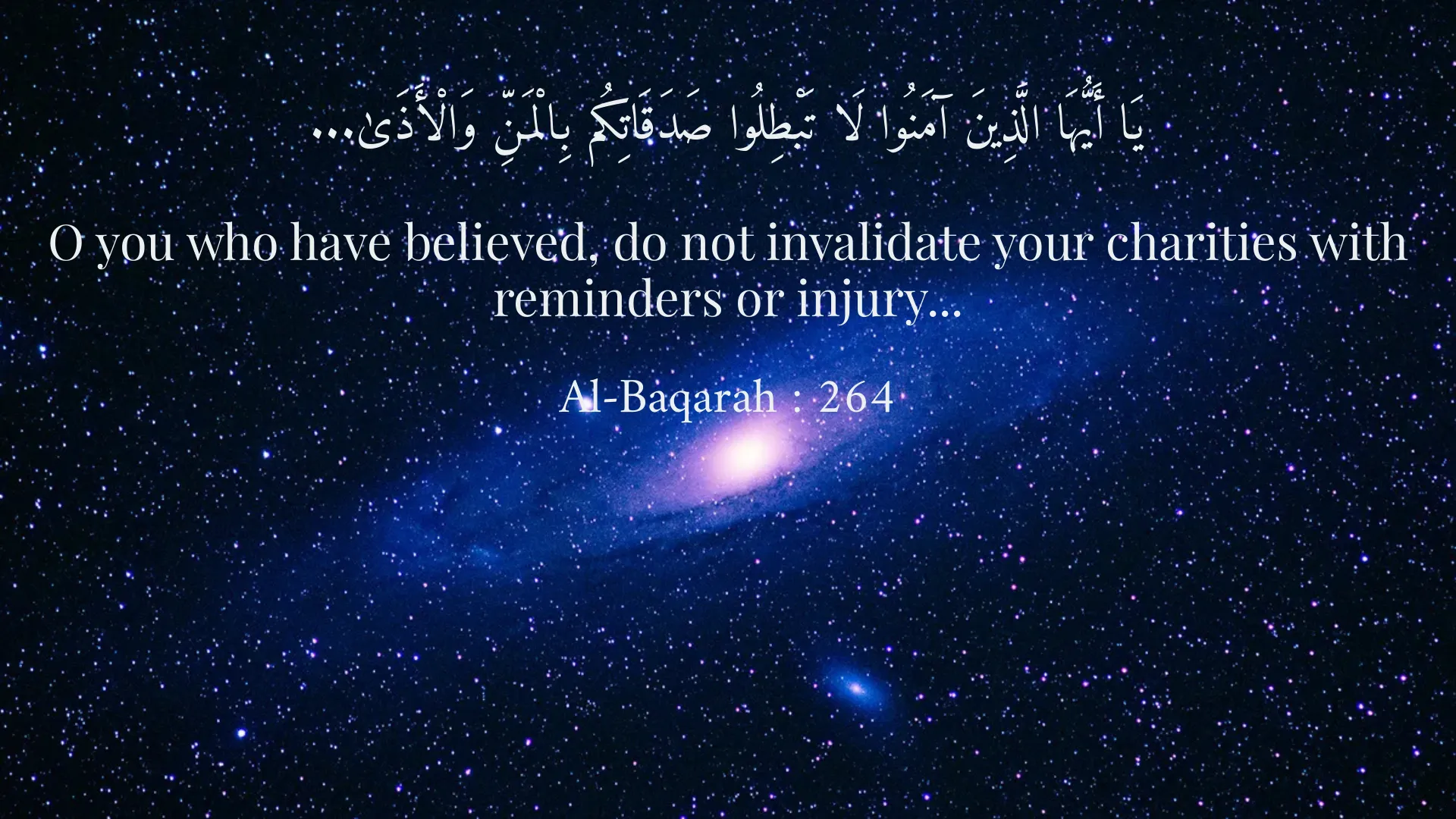
In the Holy Quran, the concepts of hypocrisy and pretense are repeatedly depicted as significant evils that undermine one's faith and create a barrier between the believer and God. The implications of these ideas are profound, affecting not only an individual's spiritual journey but also the community at large. Within the pages of Quranic scripture, various verses emphasize the importance of sincerity and the detrimental effects of insincerity in actions and intentions. One prominent example can be found in Surah Al-Baqarah, verse 264, where Allah states: "O you who have believed, do not invalidate your charities with reminders or injury..." This verse serves as an admonition to believers, urging them to engage in charitable acts without falling into the trap of hypocrisy. By indicating the invalidation of good deeds through reminders or injury, the verse highlights the necessity for sincerity in one's actions. It implies that any display of hypocrisy—either in the form of seeking recognition or in the artifice of performing good deeds for self-serving purposes—can tarnish the purity of one's intentions. Therefore, a true believer is called to embody sincerity in all aspects of their good actions and to abstain from pretense. Moreover, the Holy Quran addresses the association of disbelief with faith in Surah Al-Ma'idah, verse 54, where Allah warns that those who blend these polar opposites will incur considerable losses in the Hereafter. This verse serves as a stern reminder that the foundation of faith must be unblemished by doubt or insincerity. The juxtaposition of faith and disbelief illustrates the dangers of entering a realm of hypocrisy—one where a believer might outwardly display devotion while harboring doubts or insincere thoughts internally. In the eyes of Allah, the internal state of the hearts of His believers is of utmost importance, and He is fully aware of what resides within them. Discrepancies between one's external actions and internal beliefs can result in dire consequences, as highlighted in this verse. The implications of hypocrisy, as noted in the Quran, stress the urgency of cultivating a sincere approach to faith that is devoid of pretense. It is essential for believers to recognize the significance of their intentions, as intentions directly impact the acceptance of their deeds and, by extension, their spiritual outcomes. One practical approach to countering hypocrisy and fostering sincerity is to center one's efforts on the true purpose behind performing good deeds. Acts of kindness, charity, and devotion should not merely be checkmarks on a spiritual checklist; they ought to resonate with genuine intention and a desire to please Allah. Immediately coming to mind is the profound reminder in Surah Al-Imran, verse 30: "On the Day when every soul will be presented with what it has earned..." This verse underscores the accountability faced by every believer on the Day of Judgment. It emphasizes that every action—good or bad—will be meticulously accounted for, and intentions behind those actions will play a pivotal role in determining the rewards or consequences. This highlights the necessity of nurturing good intentions consistently, even in actions that may seem small or inconsequential. In confronting the dual challenges of hypocrisy and pretense, believers must engage in continual self-reflection and introspection regarding their actions. This practice involves honest evaluations of motivations, questioning why we engage in charitable acts or fulfill religious obligations. Are we motivated by the hope of garnering praise from others, or are we genuinely striving to please Allah? Such reflections pave the way toward sincerity, reinforcing the belief that ultimate accountability lies with Allah Himself. It is His recognition and approval that we should seek, rather than seeking validation from people. Moreover, it is essential to promote a culture of honesty within our communities. This involves encouraging open discussions about spirituality and faith, where individuals feel comfortable sharing their doubts, struggles, and fears. By fostering an environment of vulnerability, believers can mitigate the temptation to engage in hypocrisy, as they become aware that they are not alone in their struggles. Opportunities for education on the principles of sincerity can also strengthen communities by aligning them towards a collective goal of embodying faith without pretense. Furthermore, fostering a deep connection with Allah through regular prayer, reflection, and remembrance can aid greatly in curbing insincerity. Daily practices such as reciting Quranic verses that emphasize sincerity, engaging in supplication, and reflecting on the blessings received can fortify one's resolve in pursuing righteousness. A heart constantly attuned to Allah is unlikely to divert into hypocritical behavior, as the individual remains focused on the spiritual journey and growth rather than external validation. In conclusion, the Holy Quran presents hypocrisy and pretense as formidable challenges to the state of faith. Through various verses, it urges believers to pursue sincerity and make intentional efforts to align their internal beliefs with their external actions. Acknowledging the weight of intentions reminds believers that their deeds are observed and assessed by Allah, compelling them to act solely for His pleasure. As they navigate their spiritual journeys, believers must strive continuously for a state of sincerity, recognizing the ultimate consequences of their actions and intentions, which will significantly shape their encounters in the Hereafter. Ultimately, a stronger faith bound by sincerity leads to a more profound relationship with Allah and a community that exemplifies true belief and devotion.
Related Verses
يَا أَيُّهَا الَّذِينَ آمَنُوا لَا تَبْطِلُوا صَدَقَاتِكُم بِالْمَنِّ وَالْأَذَىٰ...
O you who have believed, do not invalidate your charities with reminders or injury...
Al-Baqarah : 264
يَا أَيُّهَا الَّذِينَ آمَنُوا مَن يَرْتَدَّ مِنكُمْ عَنْ دِينِهِ فَسَوْفَ يَأْتِيَ اللَّهُ بِقَوْمٍ يُحِبُّهُمْ وَيُحِبُّونَهُ...
O you who have believed, whoever of you renounces his religion – Allah will bring forth a people He will love and who will love Him...
Al-Ma'idah : 54
يَوْمَ تَجْمَعُ كُلُّ نَفْسٍ مَّا كَسَبَتْ...
The Day when every soul will be presented with what it has earned...
Al-Imran : 30
Short Story
Once upon a time, there was a man named Ali who always strived to help others. However, due to seeking the attention of others, he forgot the true meaning of doing good. One day, after prayer, an old man asked him for help. Ali remembered God and decided to perform good deeds solely for His pleasure. From that day forward, Ali distanced himself from all forms of pretense and hypocrisy, and his feelings toward this world and the Hereafter changed.