Quranic Answer
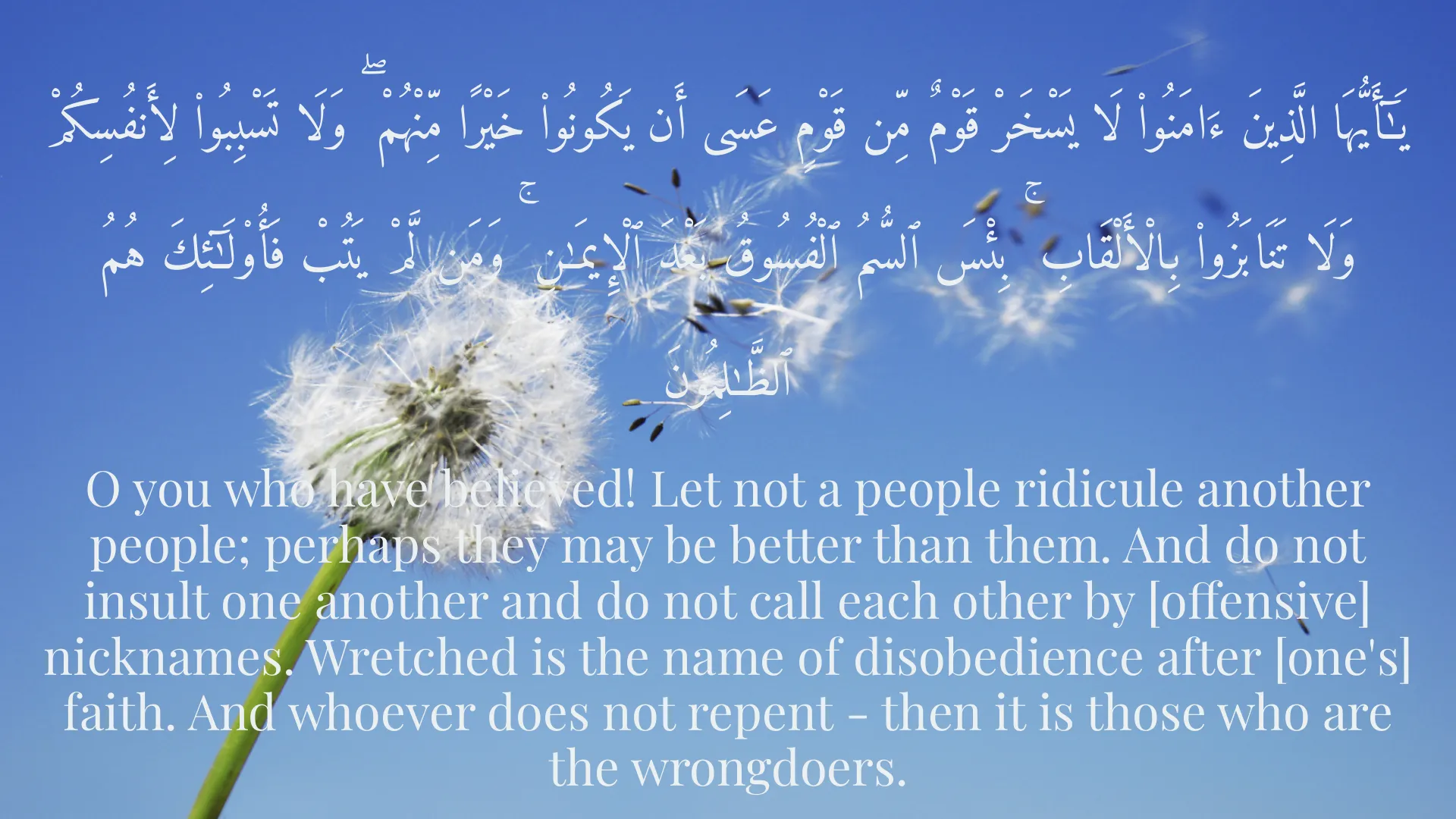
Controlling the tongue is one of the most significant issues addressed in the Quran, reflecting a profound understanding of human behavior and societal dynamics. In a world rife with miscommunication, misunderstanding, and conflict, the importance of communication and the way we articulate our thoughts cannot be overstated. The Quran provides timeless guidance on this matter, emphasizing the responsibility that comes with speech and the necessity of being mindful of our words. This article aims to delve into the Quranic perspectives on controlling the tongue and the ethical implications of our speech. In Surah Al-Hujurat, verse 11, Allah advises the believers: 'O you who have believed! Let not a people ridicule [another] people.' This verse serves as a powerful reminder that respect for others is paramount. The act of ridiculing or belittling others can lead to division, hatred, and discord, undermining the very fabric of community life. The Quran consistently underscores the necessity for believers to cultivate an environment of mutual respect and understanding, where people interact with kindness and consideration. Furthermore, the importance of controlling our tongues is mirrored in the broader ethical framework of Islam. The foundation of any healthy society depends on respectful communication and the ability to engage with others without resorting to disparagement or mockery. The dangers of unchecked speech are significant, as idle chatter can escalate into harmful gossip or slander. Therefore, Muslim scholars have often highlighted that it is not merely about the words we utter; it is also about the intent behind those words and the effects they may have on others. In addition, Surah Luqman, verse 19 reads: 'And do not be arrogant about your speech.' This admonition against arrogance reflects the Quran’s teaching that self-awareness and humility are vital components of ethical communication. The verse urges believers to avoid idle talk and unseemly speech, reminding us that meaningful dialogue is rooted in sincerity and purpose. By encouraging individuals to reflect on their speech, the Quran advocates for a culture of introspection, urging believers to prune their discourse, focusing on meaningful dialogue instead of empty boasts or meaningless exchanges. Moreover, in Surah Al-Isra, verse 53, Allah advises us: 'And tell My servants to say that which is best.' This directive underscores the importance of the quality of our speech. The verse suggests that believers should never underestimate the impact of their words. Positive communication can pave the way for constructive relationships, while negative or unthoughtful words can damage connections and foster enmity. Thus, followers of the Quran are encouraged to choose their words wisely, being conscious of the profound effects they can have on others. The emphasis on the manner of expression is also significant. Words have the power to heal or to hurt, to unite or to divide, and this duality demands thoughtful consideration in every interaction. The Quran invites believers to embrace the virtues of kindness, empathy, and compassion in their communication. When we engage with others using a thoughtful approach, we are not only reflecting our values but also fostering a positive atmosphere that can benefit everyone involved. The lessons imparted in the Quran are not merely theoretical; they are practical guidelines that can be integrated into our daily lives. By practicing self-restraint in our speech and making a conscious effort to embody the qualities of respect and humility, we aim to foster a community grounded in ethical communication. The practice of controlling our tongues is not only about refraining from verbal misconduct but also about actively promoting uplifting and inspiring discourse. In today’s digital age, where social media platforms often accelerate the spread of thoughtless remarks and hurtful language, the teachings of the Quran become even more relevant. Online interactions can sometimes breed anonymity, which may embolden negative behavior. It thus becomes imperative for believers to adhere to the principles outlined in the Quran, ensuring that their online presence reflects the values of respect and kindness. By heeding the wisdom contained in these Quranic verses, we can cultivate an environment where dialogue is held in high regard, encouraging honesty and openness rather than criticism and mockery. Such an approach leads not only to stronger interpersonal relationships but also to a more harmonious society where individuals feel valued and respected. Furthermore, the act of controlling one’s speech can also lead to personal growth and improved self-discipline. As individuals strive to align their speech with their inner values and beliefs, they may find themselves becoming more intentional in other areas of their lives. This journey of self-improvement may manifest in various ways, positively influencing how individuals interact with the world around them. In conclusion, the Quran offers profound insight into the importance of controlling one’s tongue and the impact of speech on both individual lives and society at large. By emphasizing respect, humility, and the quality of our words, Allah guides believers toward an ethical framework that prioritizes moral character and constructive communication. Through this reflection on divine teachings, followers can better navigate their interactions with others, fostering a culture of kindness and support that aligns with Islamic principles. As we endeavor to control our tongues, we not only strive for personal virtue but also contribute to a collective effort of cultivating a more compassionate and understanding world.
Related Verses
يَـٰٓأَيُّهَا الَّذِينَ ءَامَنُوا۟ لَا يَسْخَرْ قَوْمٌ مِّن قَوْمٍ عَسَى أَن يَكُونُوا۟ خَيْرًا مِّنْهُمْ ۖ وَلَا تَسْبِبُوا۟ لِأَنفُسِكُمْ وَلَا تَنَابَزُوا۟ بِالْأَلْقَابِ ۚ بِئْسَ ٱلسُّمُ ٱلْفُسُوقُ بَعْدَ ٱلْإِيمَـٰنِ ۚ وَمَن لَّمْ يَتُبْ فَأُو۟لَـٰٓئِكَ هُمُ ٱلظَّـٰلِمُونَ
O you who have believed! Let not a people ridicule another people; perhaps they may be better than them. And do not insult one another and do not call each other by [offensive] nicknames. Wretched is the name of disobedience after [one's] faith. And whoever does not repent - then it is those who are the wrongdoers.
Al-Hujurat : 11
وَإِنَّكَ لَتَسْمَعُ مَا لَا يَسْمَعُونَ
And indeed, you will hear what they do not hear.
Luqman : 19
وَقُل لِعِبَادِي يَقُولُوا الَّتِي هِيَ أَحْسَنُ ۚ إِنَّ الشَّيْطَانَ يَنزُغُ بَيْنَهُمْ ۚ إِنَّ الشَّيْطَانَ كَانَ لِلْإِنْسَانِ خَصِيمًا مُبِينًا
And tell My servants to say that which is best. Indeed, Satan induces division among them. Indeed, Satan is ever, to man, a manifest enemy.
Al-Isra : 53
Short Story
Once upon a time, there was a young man named Hasan who was soon to travel to another city for work. He often worried about his behavior and his words. One day, on his way, he encountered an elderly man who seemed sad. Hasan decided to talk to him and asked him a question. After their conversation, Hasan recalled Allah's verses that always emphasized politeness and respect for others. He promised himself to always control his tongue and to be a well-mannered person. With a happy heart, Hasan continued his journey.