Quranic Answer
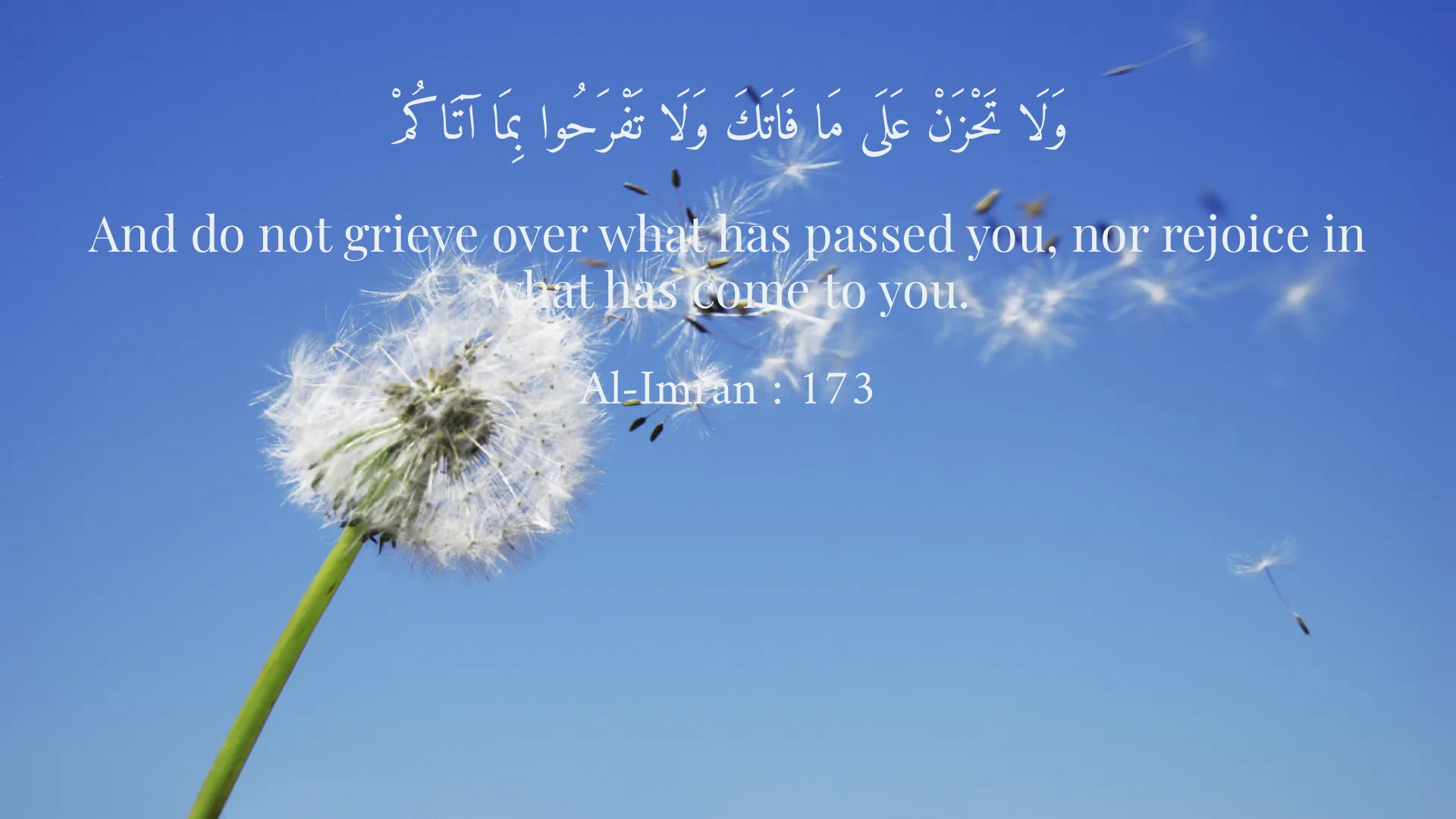
Controlling the fear of the future is one of the most significant challenges that each person faces in their life. The uncertainty that lies ahead can induce anxiety and fear, making it essential to find effective ways to manage these feelings. One of the primary sources of strength for many individuals is their faith, which plays a crucial role in shaping their mindset and coping strategies. For believers, the Holy Quran serves as an essential guide, offering wisdom, comfort, and reassurance in confronting life's uncertainties. In particular, certain verses remind us to rely on trust and faith in Allah as we navigate the complexities of existence. In Surah Al-Imran, verse 173, Allah states, "And do not grieve over what has passed you, nor rejoice in what has come to you." This profound verse encapsulates a significant lesson—namely, that individuals should not be distressed by events that have occurred in the past and cannot be altered. As humans, it is only natural to experience regret or sorrow when reflecting on missed opportunities or mistakes made. However, clinging to these past burdens can impede personal growth and foster a sense of helplessness regarding the future. Moving forward, the second part of the verse urges individuals not to be overly proud or complacent about their achievements. It serves as a reminder that many of life’s circumstances are beyond our control, and maintaining a balanced perspective can lead to a more fulfilling life. By focusing on the present moment, one can cultivate an attitude of gratitude and resilience, key components in managing the fear of what lies ahead. This essential teaching encourages us to place our hope in Allah while actively engaging in the management of our current realities. Furthermore, in Surah Al-Baqarah, verse 286, we find a comforting assertion: "Allah does not burden a soul beyond that it can bear." This verse serves as a profound reminder that each individual is equipped with a unique set of strengths and capabilities tailored to their comings and goings through life. The challenges one faces are never insurmountable; rather, they serve as opportunities for growth and self-discovery. This perspective can alleviate feelings of despair, as it assures us that we possess the resilience to tackle the issues that life presents. When we face challenging situations, it is essential to remember this verse and recognize that our struggles are within our capacity to deal with. Moreover, through prayer, supplication, and a deep connection with Allah, we can attain a greater sense of inner peace. The act of turning to Allah during times of stress can be incredibly grounding and uplifting. For instance, many people find solace in prayer when they feel anxious about the future. During these periods, one might pray and ask Allah for patience, wisdom, and tranquility. The power of prayer lies in its ability to instill a sense of connection to the divine, reminding us that we are not alone in our struggles. It allows individuals to relinquish their fears into the hands of a higher power, fostering a greater sense of calm and assurance. The fear of the future can often be compounded by overthinking and a tendency to dwell on hypothetical scenarios. This cognitive distortion is common in many individuals, leading them to imagine worst-case scenarios that may never come to pass. However, cultivating a habit of positive thinking can mitigate these tendencies. Training our minds to focus on constructive thoughts can significantly impact our emotional and mental states. Engaging in practices such as visualization, where one imagines positive outcomes in the future, can serve as powerful tools in managing anxiety. In addition to positive thinking, proper planning can significantly contribute to alleviating fear regarding the future. By setting realistic goals and developing action plans, we give ourselves a sense of direction and purpose. This proactive approach allows individuals to take charge of their lives rather than feeling like passive observers of their circumstances. For instance, if someone is concerned about their career prospects, drafting a plan that includes skills development, networking, and job applications can foster confidence. These steps enable individuals to focus on their present actions, reducing the paralyzing fear of potential outcomes. Faith and personal growth, intertwined with practical strategies, create a strong foundation for facing the future with courage and optimism. It is important to balance trust in Allah with active participation in one's life journey. By embodying both faith and practicality, we empower ourselves to navigate life's uncertainties with grace. In conclusion, controlling the fear of the future is undoubtedly a vital aspect of personal well-being. The teachings of the Holy Quran provide invaluable insights that remind us to rely on our faith in Allah and embrace the present moment. The wisdom found in verses like those in Surah Al-Imran and Surah Al-Baqarah serves as a source of comfort, assuring us that we possess the strength to overcome life's challenges. By engaging in prayer, fostering positive thinking, and planning for the future, we can cultivate a sense of serenity and resilience. Ultimately, it can be said that the fear of the future is a navigable terrain, one that can be traversed with trust in Allah and a commitment to remaining grounded in the present.
Related Verses
وَلَا تَحْزَنْ عَلَى مَا فَاتَكَ وَلَا تَفْرَحُوا بِمَا آتَاكُمْ
And do not grieve over what has passed you, nor rejoice in what has come to you.
Al-Imran : 173
اللَّهُ لَا يُكَلِّفُ نَفْسًا إِلَّا وُسْعَهَا
Allah does not burden a soul beyond that it can bear.
Al-Baqarah : 286
Short Story
Once upon a time, a young man named Ali was worried about the future. He often thought to himself, "What will happen in the future?" One night, while reading the Quran, he came across verses that offered him comfort. These verses reminded him to trust in Allah and to rely on Him; from that day forward, he learned to control his fear of the future with faith and prayer.