Quranic Answer
The power of patience and hope is a recurring theme in the Holy Quran, which weaves through its verses like a lifeline, particularly when we navigate the turbulent waters of life’s hardships and the shadows of painful memories. This article aims to delve deeper into the significance of these virtues, underlining the divine guidance that encourages believers to remain steadfast, optimistic, and spiritually enriched during challenging times. In today’s fast-paced world, where instant gratification has become the norm, the value of patience is often overlooked. The Quran, however, emphasizes that patience is not merely about waiting but is an active state of being, intertwining perseverance with faith. One of the most poignant reminders of this comes from Surah Al-Baqarah, verse 153, which states, "O you who have believed, seek help through patience and prayer. Indeed, Allah is with the patient." This verse establishes an essential framework for believers; it instructs them to seek assistance in times of distress through the twin pillars of patience and prayer. Patience serves as the bedrock upon which faith is built, and prayer is the conduit through which one connects with the Divine. When faced with hardships—be they personal, social, or spiritual—the Quran encourages us to respond not with despair but with a mindset that seeks growth. Each trial that we endure is presented as an opportunity for development, a stepping stone towards greater spiritual strength and understanding. Reflecting on past experiences can often conjure painful memories, but the Quran reassures us that these struggles are integral parts of the human journey. By facing these challenges with resilience, we honor our experiences and allow them to refine us rather than define us. In Surah Al-Imran, verse 139, the Quran further elucidates the importance of maintaining a hopeful and positive outlook when facing adversities: "And do not be sad or grieved." This imperative resonates deeply in contemporary society, where feelings of sadness and despair can lead many to a state of hopelessness. The Quran encourages believers to cultivate a robust inner life, filled with trust in God’s plan and mercy. This trust acts as a lifebuoy, keeping us afloat during the stormiest seas of our emotional and spiritual existence. Moreover, the reference to hope within the Quran is a profound reminder that regardless of life’s trials, we should remain anchored in the belief that God is always with us, ready to guide and support those who turn to Him sincerely. Unconsciously, we may tend to dwell on negative memories, which can inhibit our growth and hinder our ability to move forward. Yet, the essence of the Quranic message maintains that God’s presence is constant, and He never forsakes those who seek Him. In Surah Al-Fajr, verse 28, there is a beautiful encapsulation of the calm that accompanies a faithful spirit, as it states: "O tranquil soul, return to your Lord, well-pleased and pleasing." This verse offers a dual promise: first, it reassures the believer of the tranquility found in returning to God amidst life’s chaos. Secondly, it promotes the idea that God is pleased with the sincere efforts of His servants, thus fostering an environment of peace and acceptance. The notion of returning implies a journey, one that every believer is encouraged to embark upon through self-reflection, growth, and ultimately, redemption. In becoming aware of this tranquil call, those who are mired in bitterness from past experiences can find solace in the act of turning toward God. The encouragement to rely on Him conveys that there is a path leading to a brighter, more hopeful future. Embracing this idea can be transformative, enabling individuals to leave behind the weights of their past and to step into the light of renewed purpose. It is essential to realize that the virtues of patience and hope, as emphasized in the Quran, are not merely religious concepts but are life tools that can equip us with the strength necessary to face daily challenges. They facilitate resilience and foster a deeper connection with our Creator, reminding us that our relationship with God is both personal and communal. In times of distress, the believer is called to engage in prayer, which serves not only as a plea for help but also as an expression of gratitude for past blessings and an affirmation of faith in future ones. Furthermore, the role of community in supporting individuals through hard times cannot be overlooked. The Quran underscores the importance of mutual support among believers, encouraging them to come together in prayer and patience during trying times. When we unite in faith, we bolster our collective strength, creating an environment where everyone feels supported and uplifted. In navigating the complexities of modern life, it is crucial to remind ourselves of the teachings embedded in the Quran about patience and hope, particularly as we grapple with personal demons and societal issues alike. These teachings invite us to remain faithful and hopeful, assuring us that despite life's inevitable pains, there is always a way forward guided by Divine support. In conclusion, the Holy Quran emphasizes that patience and hope are not only essential for overcoming adversity but also as catalysts for spiritual growth and renewal. Each verse that touches upon these themes serves as a reminder that God is near, ready to support those who embrace their trials with courage and faith. Every bit of pain endured is part of a larger narrative—a narrative that ends in peace, understanding, and fulfillment when we turn our hearts back to God. As we learn to let go of bitterness and embrace hope, we open ourselves to a future filled with potential and light, leading us from shadows into the radiance of Divine grace.
Related Verses
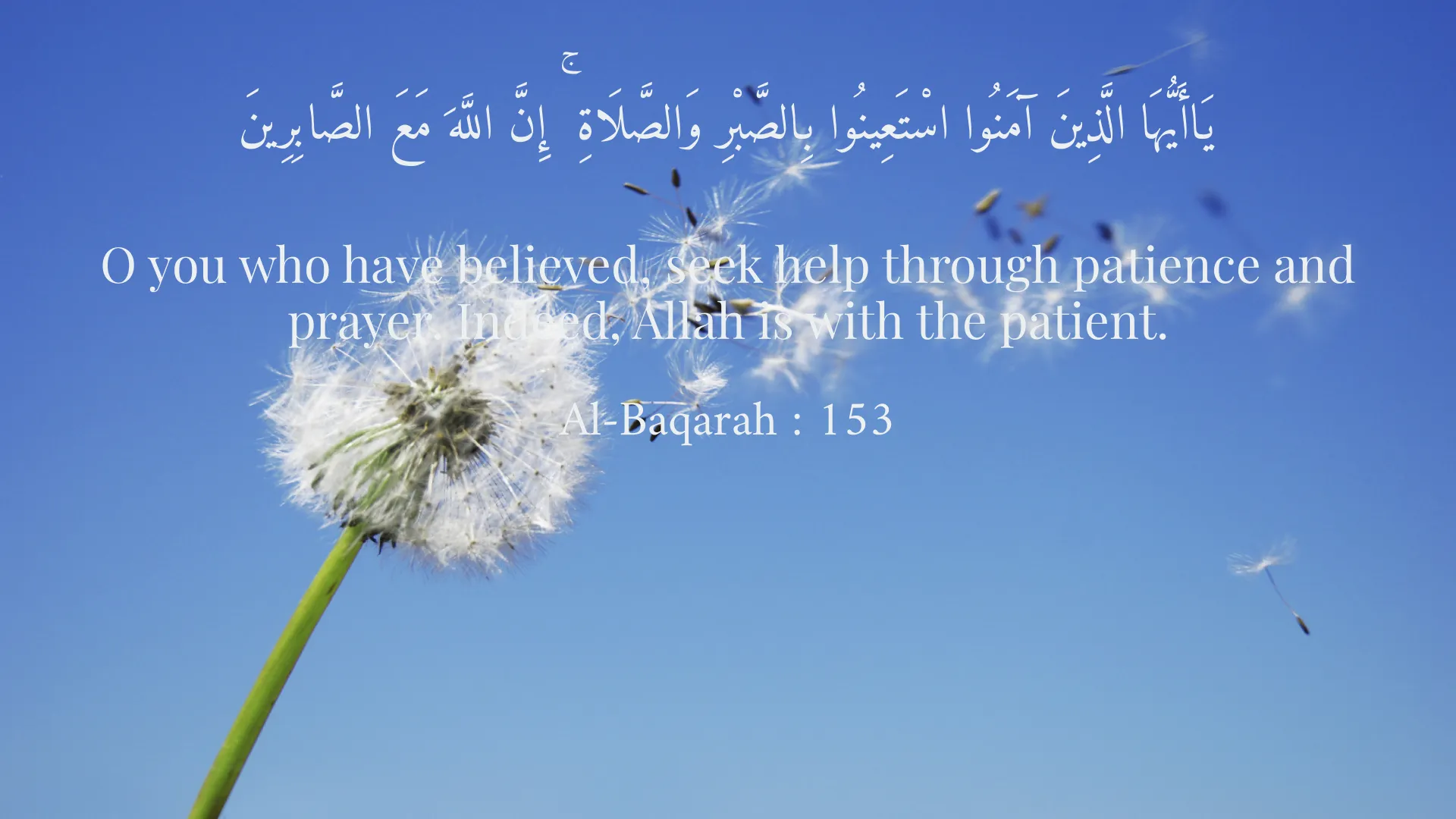
يَاأَيُّهَا الَّذِينَ آمَنُوا اسْتَعِينُوا بِالصَّبْرِ وَالصَّلَاةِ ۚ إِنَّ اللَّهَ مَعَ الصَّابِرِينَ
O you who have believed, seek help through patience and prayer. Indeed, Allah is with the patient.
Al-Baqarah : 153
وَلَا تَحْزَنُوا وَأَنتُمُ الأَعْلَوْنَ إِن كُنتُم مُّؤْمِنِينَ
And do not be sad; indeed, you will be the most high if you are believers.
Al-Imran : 139
يَا أَيَّتُهَا النَّفْسُ الْمُطْمَئِنَّةُ ارْجِعِي إِلَى رَبِّكِ رَاضِيَةً مَّرْضِيَّةً
O tranquil soul, return to your Lord, well-pleased and pleasing.
Al-Fajr : 28
Short Story
Once upon a time, there was a man named Reza who had left behind bitter memories due to struggles over the years. Every day he remembered his unsuccessful days and felt depressed. One day, he thought to himself: how wonderful it would be to forget these memories and take refuge in God. So, he stood for prayer and sincerely prayed. From that day forward, every time he recalled bad memories, he remembered the Quranic verses that say, 'Indeed, Allah is with the patient.' Over time, Reza learned how to connect with God and confront those memories, rebuilding his life anew.