Quranic Answer
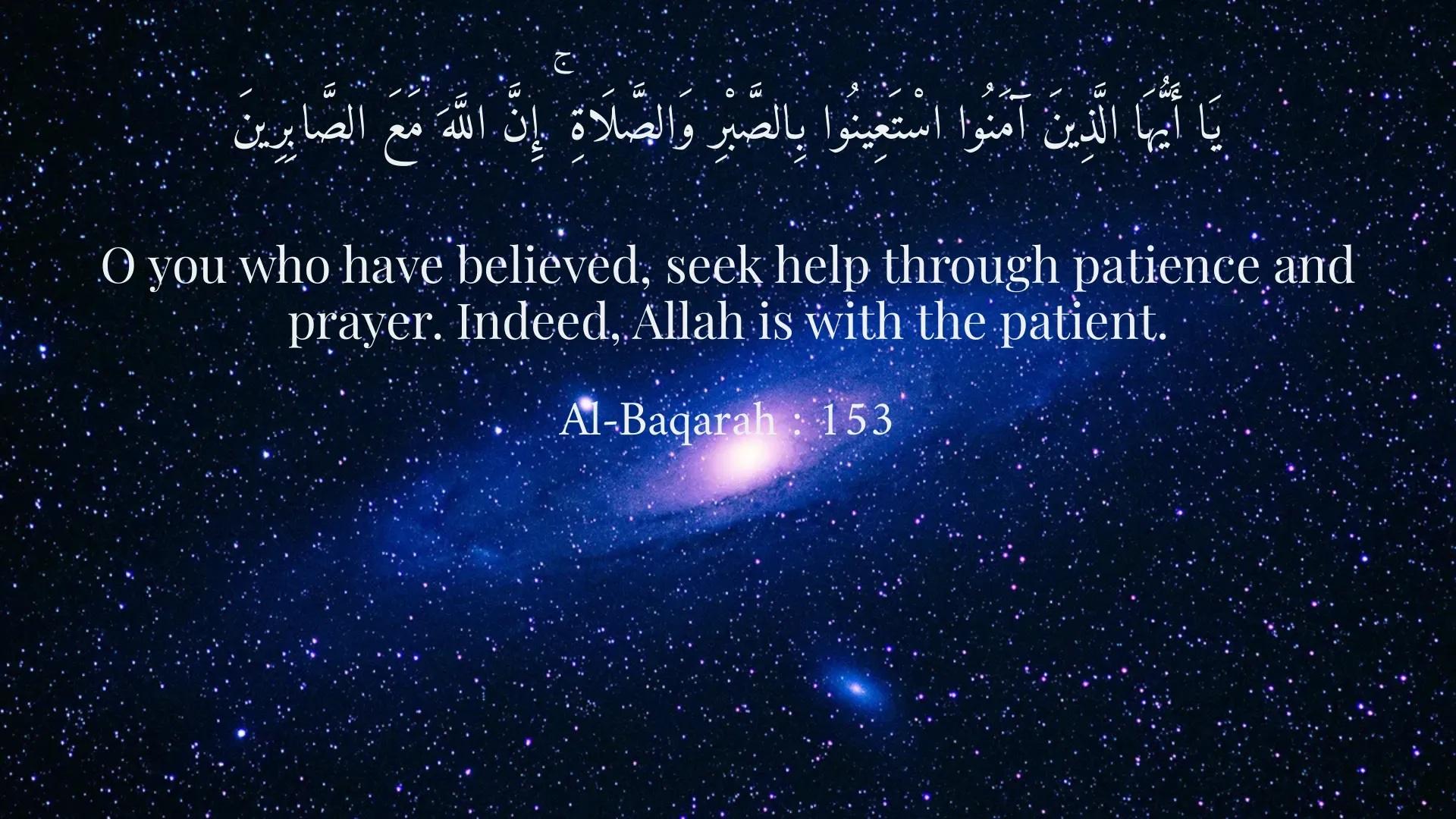
Deep sorrow and grief are an inherent part of the human experience, and the Holy Quran, with its realistic yet profoundly hopeful perspective, offers comprehensive strategies for coping with them. These strategies not only console aching hearts but also help individuals transcend suffering and adversity towards spiritual growth and closeness to God. The Quran teaches us that this world is a realm of trials and will never be devoid of challenges, calamities, and losses. This understanding is the first step in accepting the reality of sorrow: to know that grief is not a sign of weakness, but a natural part of life's journey that can serve as an opportunity for the soul's refinement. One of the most fundamental Quranic teachings in dealing with sorrow is "patience" (sabr). In Surah Al-Baqarah, verse 153, Allah states: "O you who have believed, seek help through patience and prayer. Indeed, Allah is with the patient." Patience here does not mean passive endurance; rather, it is an active and conscious resilience in the face of difficulties, accompanied by reliance on Allah. This patience is an inner strength that keeps a person steadfast amidst life's storms. When deep sorrow casts its shadow upon our hearts, we might feel helpless and despairing, but the Quran reminds us that patience is the key to liberation and tranquility. Patience helps us manage intense emotions, avoid hasty decisions, and allow ourselves time to adapt to new circumstances. Patience in the face of grief means not letting sorrow drag us into despair and disbelief, but rather making it a stepping stone towards Allah. Alongside patience, "prayer" (salat) and "remembrance of Allah" (dhikr) are other pillars of inner solace in Islam. As mentioned in Al-Baqarah 2:153, prayer is a means of seeking help from Allah. Prayer is not merely a religious obligation but an unparalleled opportunity for direct, unmediated communication with the Creator who is aware of all our pains and needs. In moments of grief, seeking refuge in prayer and supplication brings profound peace to the soul and alleviates the burden of sorrow. Long prostrations, whispering to the Lord, and shedding tears before Him are ways to release negative energy and replace it with divine tranquility. Furthermore, constant remembrance of Allah assures hearts. In Surah Ar-Ra'd, verse 28, we read: "Unquestionably, by the remembrance of Allah hearts are assured." Remembering Allah's grandeur and power, recognizing that He is the sole refuge and balm for broken hearts, instills a sense of security and support. Tasbeeh (glorification), Tahleel (recitation of 'La ilaha illallah'), reading the Quran, and contemplating divine verses are all forms of dhikr that can console the soul during difficult times. The Quran also provides us with a different perspective on calamities. In Surah Al-Baqarah, verse 155, Allah says: "And We will surely test you with something of fear and hunger and a loss of wealth and lives and fruits, but give good tidings to the patient." This verse reminds us that sorrow and grief stemming from losses are part of Allah's divine plan for our growth and development. These trials are not meant to torment humans but to elevate them. With this perspective, grief transforms from merely an unfortunate event into an opportunity for self-discovery, strengthening faith, and drawing closer to Allah. Understanding that no sorrow is without purpose and that every hardship contains wisdom can lighten the burden of grief. This outlook helps individuals seek divine lessons and wisdom behind every affliction, rather than drowning in despair, and to search for its hidden meaning. Perhaps the most hopeful promise of the Quran regarding sorrow is the famous verse from Surah Ash-Sharh: "For indeed, with hardship [will be] ease. Indeed, with hardship [will be] ease" (94:5-6). This verse is repeated twice to emphasize the certainty of this divine promise. It signifies that no sorrow is eternal, and every grief has an end and a relief. This promise is a light in the darkest moments of grief and revives hope in despairing hearts. Faith in this promise empowers a person to pass through the dark tunnel of sorrow, knowing that light and ease await them at the end. This verse teaches us that even at the peak of difficulties, ease is inherently present; this ease can manifest as a lesson learned, personal growth, or even an unexpected opening from Allah. Furthermore, the Quran advises us to have "reliance" (tawakkul) – complete trust in Allah. In Surah At-Talaq, verse 3, it states: "And whoever relies upon Allah - then He is sufficient for him." Tawakkul means that despite all our efforts, we entrust the outcome to Allah and trust in His wisdom. When our sorrow stems from matters beyond our control, tawakkul gives us peace, knowing that the reins of affairs are in the hands of the One who is All-Powerful and All-Knowing. This helps reduce anxiety and worries, allowing a person not to bear the heavy burden of sorrow alone. Finally, the Quran asks us to broaden our perspective on life and death. By looking towards the Hereafter and eternal life, worldly problems and sorrows seem small and temporary compared to what awaits believers in the afterlife. This insight is a great consolation for sorrows arising from the loss of loved ones or major worldly losses, as we know that these separations are temporary, and in the eternal abode, there is a promise of reunion. Therefore, coping with sorrow from the Quranic perspective is a comprehensive and multi-faceted process that includes active patience, seeking refuge in prayer and remembrance, understanding the philosophy of divine trials, hoping for the promise of ease after hardship, and complete reliance on Allah. These are not just ways to "cope" with sorrow but pathways to "transcend" it towards true perfection and tranquility.
Related Verses
يَا أَيُّهَا الَّذِينَ آمَنُوا اسْتَعِينُوا بِالصَّبْرِ وَالصَّلَاةِ ۚ إِنَّ اللَّهَ مَعَ الصَّابِرِينَ
O you who have believed, seek help through patience and prayer. Indeed, Allah is with the patient.
Al-Baqarah : 153
وَلَنَبْلُوَنَّكُم بِشَيْءٍ مِّنَ الْخَوْفِ وَالْجُوعِ وَنَقْصٍ مِّنَ الْأَمْوَالِ وَالْأَنفُسِ وَالثَّمَرَاتِ ۗ وَبَشِّرِ الصَّابِرِينَ
And We will surely test you with something of fear and hunger and a loss of wealth and lives and fruits, but give good tidings to the patient.
Al-Baqarah : 155
الَّذِينَ آمَنُوا وَتَطْمَئِنُّ قُلُوبُهُم بِذِكْرِ اللَّهِ ۗ أَلَا بِذِكْرِ اللَّهِ تَطْمَئِنُّ الْقُلُوبُ
Those who have believed and whose hearts are assured by the remembrance of Allah. Unquestionably, by the remembrance of Allah hearts are assured.
Ar-Ra'd : 28
فَإِنَّ مَعَ الْعُسْرِ يُسْرًا
For indeed, with hardship [will be] ease.
Ash-Sharh : 5
إِنَّ مَعَ الْعُسْرِ يُسْرًا
Indeed, with hardship [will be] ease.
Ash-Sharh : 6
Short Story
It is narrated that in ancient times, there lived a virtuous and benevolent man named 'Hakim,' who, despite all his goodness, was afflicted by deep sorrow. He had lost his best friend and travel companion during a trade journey, and his heart was filled with grief. One day, a wise old man, who became aware of his state, came to visit him and said: 'O Hakim, I know well that your suffering comes from losing a companion who was as precious as life itself. But do you know that trees shed their leaves in autumn so that they may return greener and more vibrant in spring? Sorrow too is the autumn of the soul; it sheds old leaves to make room for new blossoms of faith and tranquility.' Hakim asked, 'How can I endure this autumn?' The old man smiled and said, 'The eloquent Saadi says: 'Whoever perseveres through pain finds healing.' Hearts are assured by the remembrance of God, and ease is hidden within every hardship. Like a seed that hides in dark soil to one day emerge and blossom in the sunlight, you too should hide your sorrow in your heart and rely on God, so that one day the blossom of peace may emerge from it. Entrust your heart to Him, for He is the best guardian and refuge.' Hakim was heartened by the old man's words, prostrated himself in gratitude, and gradually found peace in his heart through patience and reliance.