Quranic Answer
The Holy Quran offers several ways to cope with tough changes and challenges in life. One of the key aspects that the Quran emphasizes is patience. This notion of patience, or 'Sabr' in Arabic, is not merely about waiting, but rather, it encompasses persistence, resilience, and a deep-rooted faith in the divine plan that Allah has laid out for each of us. In Surah Al-Baqarah, verse 153, Allah states: 'O you who have believed, seek help through patience and prayer. Indeed, Allah is with the patient.' This verse serves as a profound reminder that during difficult times, one must not lose hope or succumb to despair. Instead, we are encouraged to seek refuge in God and ask for His assistance in navigating through life's trials. The integration of patience and prayer constitutes a powerful strategy to maintain our composure when faced with significant challenges. Patience acts like a stabilizing force in turbulent times, allowing us to take a step back and assess our situation holistically instead of rushing into hasty decisions that might compound our problems. It is in these moments of turmoil that we need to ground ourselves, and patience facilitates that grounding. Moreover, in Surah Al-Baqarah, verse 286, it reads: 'Allah does not burden a soul beyond that it can bear...' This verse reminds us that Allah knows our limits, and therefore He will not place upon us challenges that are insurmountable. Understanding that there is a divine wisdom behind every challenge can help us manage our fear and anxiety when confronted with tough situations. It reassures us that we are equipped, even if we don't recognize our strengths at that moment, to withstand and overcome the trials that life throws at us. The Quran also emphasizes the importance of prayer. In Surah Ghafir, verse 60, Allah states: 'And your Lord says, 'Call upon Me; I will respond to you...' This directly reinforces the idea that Allah is always present, ready to help us, as long as we take the initiative to reach out to Him. Prayer is not just a ritual; it is a heartfelt conversation with our Creator, a means of expressing our hopes, fears, and challenges. When we pray, we open ourselves to the divine support that is ever-available, even when we feel most alone or burdened by our problems. The act of praying is multifaceted; it serves as a source of peace, comfort, and consolation during times of distress. It provides a channel through which we connect with Allah, allowing our worries to be absorbed in faith and reliance on His wisdom. This connection serves to alleviate the heaviness of our burdens, remind us of our purpose, and provide clarity amidst chaos. Furthermore, the Holy Quran encourages us to constantly seek forgiveness. The act of seeking forgiveness can be one of the most humbling experiences, allowing us to recognize our own shortcomings and mistakes. This process also fosters growth, as it nudges us toward self-improvement and fosters a sense of humility. In times of difficulty, when we turn to Allah for forgiveness, we not only cleanse our souls but also cultivate an awareness of mercy and compassion, both for ourselves and others. This sense of mercy can significantly uplift our spirits, allowing us to navigate through challenges with greater resilience. In Surah Al-Imran, verse 139, Allah reassures us, saying: 'So do not lose hope, nor be sad...' This verse profoundly conveys the importance of maintaining hope in the face of adversity. When tough changes occur, it can be easy to fall into a state of despair or hopelessness. However, the Quran consistently encourages believers to remain steadfast in their faith and to find solace in the promise that Allah is with the patient, as mentioned earlier. The recurring theme of hope reverberates throughout the Quran and serves to inspire believers to remain optimistic, even when faced with significant challenges. It emphasizes that there is a light at the end of the tunnel, and that every hardship is often accompanied by ease, as beautifully articulated in Surah Ash-Sharh, verse 5, which states: 'For indeed, with hardship [will be] ease.' This understanding offers solace, reminding us that change, while often challenging, serves a purpose in Allah's grand design. The Quran also highlights the community aspect of dealing with challenges. We are not meant to face our struggles in isolation. In Surah Al-Hujurat, verse 10, Allah reminds us that 'The believers are but brothers...' This verse emphasizes the significance of community support in facing tough changes. By fostering an environment of compassion, understanding, and mutual support, we can collectively navigate life's difficulties, making it easier to bear our burdens. Indeed, engaging with our community facilitates open communication about our struggles, which nourishes our bonds and enables us to uplift one another during trying times. This connectedness creates the support system that may come to our aid when we find it difficult to tap into our own reserves of strength. In summary, the teachings of the Holy Quran provide valuable insights into coping with tough changes and challenges in life. It equips us with several powerful strategies: patience, prayer, seeking forgiveness, maintaining hope, and relying on community support. Together, they create a holistic approach that encourages believers to face life's adversities with confidence and resilience. By integrating these practices into our lives, not only can we navigate the storms of life more effectively, but we can also emerge from them wiser and more connected to our faith and community. Thus, the Holy Quran does not merely instruct us on the nature of trials; it offers a comprehensive framework for transcending them and finding deeper meaning in our experiences.
Related Verses
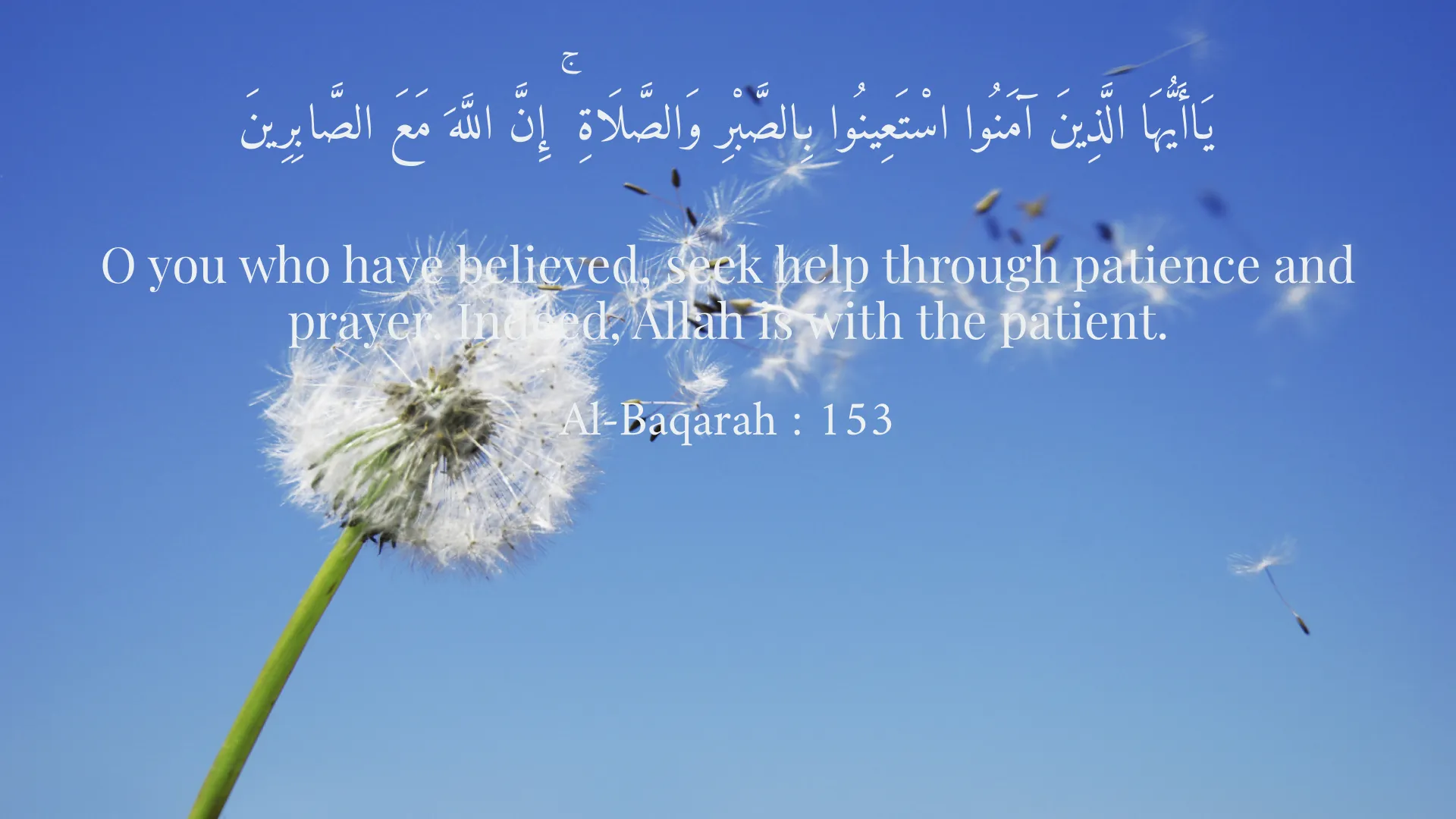
يَاأَيُّهَا الَّذِينَ آمَنُوا اسْتَعِينُوا بِالصَّبْرِ وَالصَّلَاةِ ۚ إِنَّ اللَّهَ مَعَ الصَّابِرِينَ
O you who have believed, seek help through patience and prayer. Indeed, Allah is with the patient.
Al-Baqarah : 153
لَا يُكَلِّفُ اللَّهُ نَفْسًا إِلَّا وُسْعَهَا ۚ لَهَا مَا كَسَبَتْ وَعَلَيْهَا مَا اكْتَسَبَتْ ۗ رَبَّنَا لَا تُؤَاخِذْنَا إِن نَّسِينَا أَوْ أَخْطَأْنَا ۚ رَبَّنَا وَلَا تَحْمِلْ عَلَيْنَا إِصْرًا كَمَا حَمَلْتَهُ عَلَى الَّذِينَ مِن قَبْلِنَا ۚ رَبَّنَا وَلَا تُحَمِّلْنَا مَا لَا طَاقَةَ لَنَا بِهِ ۖ وَاعْفُ عَنَّا وَاغْفِرْ لَنَا وَارْحَمْنَا ۖ أَنتَ مَوْلَانَا فَانصُرْنَا عَلَى الْقَوْمِ الْكَافِرِينَ
Allah does not burden a soul beyond that it can bear. It will have [the consequence of] what [good] it has gained, and it will bear [the consequence of] what [evil] it has earned. Our Lord, do not impose blame upon us if we have forgotten or made a mistake. Our Lord, and lay not upon us a burden like that which You laid upon those before us. Our Lord, and burden us not with that which we have no ability to bear. And pardon us; and forgive us; and have mercy upon us. You are our protector, so give us victory over the disbelieving people.
Al-Baqarah : 286
وَقَالَ رَبُّكُمْ ادْعُونِي أَسْتَجِبْ لَكُمْ ۖ إِنَّ الَّذِينَ يَسْتَكْبِرُونَ عَنْ عِبَادَتِي سَيَدْخُلُونَ جَهَنَّمَ دَاخِرِينَ
And your Lord says, 'Call upon Me; I will respond to you. Indeed, those who deny My worship will enter Hell, condemned.'
Ghafir : 60
Short Story
Once upon a time, a man named Ahmed faced many troubles in his life. He decided to turn to the Quran and seek guidance within its verses. After reading various verses, he realized that Allah was with him in times of hardship, and he just needed to be patient and pray. Day by day, Ahmed felt more at peace, and the challenges of life became easier to bear.