Quranic Answer
The feeling of being a victim is a profound human experience that can trap an individual in a cycle of despair, passivity, and blame towards others or fate. This feeling arises when a person believes they have no control over their circumstances and are merely subjected to external forces. The Holy Quran, while not explicitly using the term "victim mentality," offers powerful solutions through its rich and profound teachings for overcoming this state and regaining a sense of empowerment, hope, and connection with the Creator. These solutions not only help individuals break free from this feeling but also guide them towards spiritual growth and inner strength. First Principle: Trust in Allah (Tawakkul) and Patience (Sabr Jameel): The Quran teaches believers to rely on Allah and practice patience when faced with hardships and afflictions. Patience here does not mean passivity or giving up effort; rather, it signifies active endurance in the face of calamities, coupled with unwavering faith in divine wisdom and planning. Surah Al-Baqarah, verse 153, states: "O you who have believed, seek help through patience and prayer. Indeed, Allah is with the patient." This crucial verse is the cornerstone for liberation from the feeling of victimhood. When an individual perceives themselves as a victim, they often feel isolated and helpless. However, this verse promises that Allah is the helper and supporter of those who are patient. Patience empowers individuals to overcome problems with inner strength and reliance on Allah, instead of drowning in despair and hopelessness. Trust in Allah means that one understands their destiny is in the hands of the Merciful Lord, and nothing occurs without His permission. This reliance removes the heavy burden of worry and anxiety, enabling the individual to approach challenges with greater peace of mind. It cultivates a deep sense of security, knowing that even when human efforts seem insufficient, divine support is ever-present. This active form of patience, known as Sabr Jameel (beautiful patience), is about enduring gracefully without complaint, maintaining one's dignity, and continuing to strive while trusting in the ultimate outcome decided by Allah. It transforms a state of helplessness into one of hopeful perseverance, where every trial becomes an opportunity for spiritual elevation and closeness to the Divine. Second Principle: Personal Responsibility and Inner Change (The Law of Change): One of the most potent Quranic teachings that directly counters the feeling of victimhood is the concept of individual responsibility and the power of internal change. Surah Ar-Ra'd, verse 11, clearly states: "Indeed, Allah will not change the condition of a people until they change what is in themselves." This verse serves as a beacon of light for anyone who feels like a victim of circumstances. The feeling of victimhood is often accompanied by the belief that "I can do nothing" or "everything is someone else's fault or due to circumstances." However, the Quran rejects this view and emphasizes human free will and agency. This does not mean ignoring injustice, but rather not surrendering to it and finding a way to change one's situation or internal reaction. By understanding this verse, individuals realize that although they might not have chosen their initial circumstances, their reaction to those circumstances is their own choice. This internal change can include altering one's mindset, changing one's actions, or adopting a different approach to challenges. When an individual accepts personal responsibility and begins to change what is within them, they gradually regain control over their life and break free from the trap of victimhood. It is a powerful affirmation that while external factors can influence us, our ultimate state and response are rooted in our inner disposition and choices. This principle encourages introspection and self-improvement, moving from a passive reception of fate to an active engagement with one's destiny. It instills a proactive mindset, where one seeks solutions and takes constructive steps, rather than merely lamenting their situation. This transformation is not about denying hardship, but about choosing a path of resilience and growth, with the firm belief that Allah aids those who strive and exert effort. Third Principle: Gratitude (Shukr) and Focusing on Blessings: The feeling of victimhood often causes individuals to focus solely on their deficiencies, deprivations, and pains, overlooking the blessings they possess. The Holy Quran repeatedly emphasizes the importance of gratitude. Surah Ibrahim, verse 7, states: "If you are grateful, I will surely increase you [in favor]; but if you deny, indeed, My punishment is severe." Gratitude is a powerful mental exercise that can shift an individual's perspective from negativity to positivity. When a person consciously pays attention to their blessings, even the smallest ones, and expresses thankfulness for them, their mind moves out of the "I am a victim" mode and enters the "I am blessed" mode. This change in perspective not only brings inner peace but can also reveal new opportunities. Gratitude reminds individuals that even in the midst of hardships, divine grace and mercy are always present. This practice helps one feel less alone and recognizes that they still have resources to rely on and utilize. It actively counters the self-pity that often accompanies victimhood by drawing attention to the positive aspects of life, however small they may seem. Cultivating a grateful heart is a form of worship that opens doors to further blessings and strengthens one's relationship with Allah, fostering a sense of contentment and optimism that dislodges the roots of a victim mentality. It allows for a more balanced view of life, acknowledging challenges while celebrating the enduring presence of divine benevolence. Fourth Principle: Purpose and Meaning in Suffering: The Quran teaches humanity that life is a stage for trials and tests, and hardships are an inseparable part of this journey. Surah Al-Baqarah, verse 155, states: "And We will surely test you with something of fear and hunger and a loss of wealth and lives and fruits, but give good tidings to the patient." This perspective does not view suffering as meaningless or accidental; rather, it sees it as a means for growth, purification, and elevation of status. When individuals understand that adversities can be an opportunity to test faith, strengthen character, and draw closer to Allah, they no longer view themselves merely as victims. Instead, they accept that they are undergoing a divine training course. This viewpoint gives them a sense of purpose and motivates them to seek the lesson and wisdom hidden within the event, rather than dwelling in regret. It transforms perceived misfortune into a crucible for spiritual development, where every challenge becomes a stepping stone towards greater resilience and a deeper understanding of life's ultimate purpose. Recognizing that trials are part of a divine plan helps to reframe the narrative from one of arbitrary suffering to one of meaningful progression, fostering a sense of acceptance and active engagement with the learning process inherent in difficulties. Fifth Principle: Hope in Allah's Mercy and Avoiding Despair: One of the prominent characteristics of feeling like a victim is despair. The Quran strongly forbids despair and encourages believers to have hope in Allah's vast mercy. Surah Az-Zumar, verse 53, states: "Say, 'O My servants who have transgressed against themselves [by sinning], do not despair of the mercy of Allah. Indeed, Allah forgives all sins. Indeed, it is He who is the Forgiving, the Merciful.'" Although this verse primarily addresses sins, its overall spirit applies to not despairing from any aspect of divine mercy, whether in rectifying worldly affairs or attaining spiritual peace. Hope is the fuel for moving forward. When an individual is hopeful that their situation can improve and that Allah will assist them on this path, they no longer see themselves in a dead end but strive to find a way out. This unwavering hope, rooted in the infinite compassion and power of Allah, is a fundamental antidote to the sense of helplessness. It empowers believers to persist in their efforts, make du'a (supplication), and maintain optimism even when circumstances appear bleak. Remembering Allah's promises of ease after hardship and His boundless forgiveness fosters a mindset of resilience and continuous effort, transforming the potential victim into a hopeful seeker of divine assistance and inner peace. Practical Quranic-Inspired Strategies to Overcome Victimhood: 1. Reframe Your Mindset: Instead of seeing yourself as a victim, consider yourself the protagonist of your life story, facing challenges. Believe that Allah has a plan for you and that these hardships are part of your growth. 2. Connect with Allah: Strengthen your connection through prayer (Salat), supplication (Du'a), recitation of the Quran, and remembrance (Dhikr). This connection is the primary source of peace, strength, and guidance. It eliminates feelings of loneliness and helplessness, replacing them with a sense of divine companionship and support. 3. Acceptance and Action: Accept that some events are beyond your control, but you have control over your reactions. Instead of complaining, seek solutions and take practical steps, however small. This proactive approach shifts your focus from what you cannot change to what you can do. 4. Daily Gratitude: Dedicate time each day to recall and express gratitude for the blessings you have. This practice helps to shift your mental focus and cultivates a positive outlook. 5. Serve Others: Helping those in need and engaging in good deeds can change an individual's perspective and instill a sense of worth and efficacy. When you assist others, you move beyond your own problems and find greater purpose. 6. Forgiveness: Release grudges and resentments. Forgiving others, even those who have wronged you, primarily benefits yourself, freeing you from the prison of bitterness and allowing for emotional healing. 7. Seek Knowledge and Guidance: Seek help from knowledgeable and experienced individuals. Consulting others and acquiring new skills can assist you in solving problems and emerging from your current situation. Conclusion: Feeling like a victim is a mental state that can be transformed by embracing Quranic teachings and strengthening faith. The Holy Quran portrays humanity as dignified beings with free will who, even in the most challenging circumstances, can change their destiny and move towards peace and salvation by relying on Allah, practicing patience, and striving proactively. This journey is an an inner one that begins with a shift in mindset and a strengthening of one's connection with the Divine, leading to true liberation from the bondage of negative emotions.
Related Verses
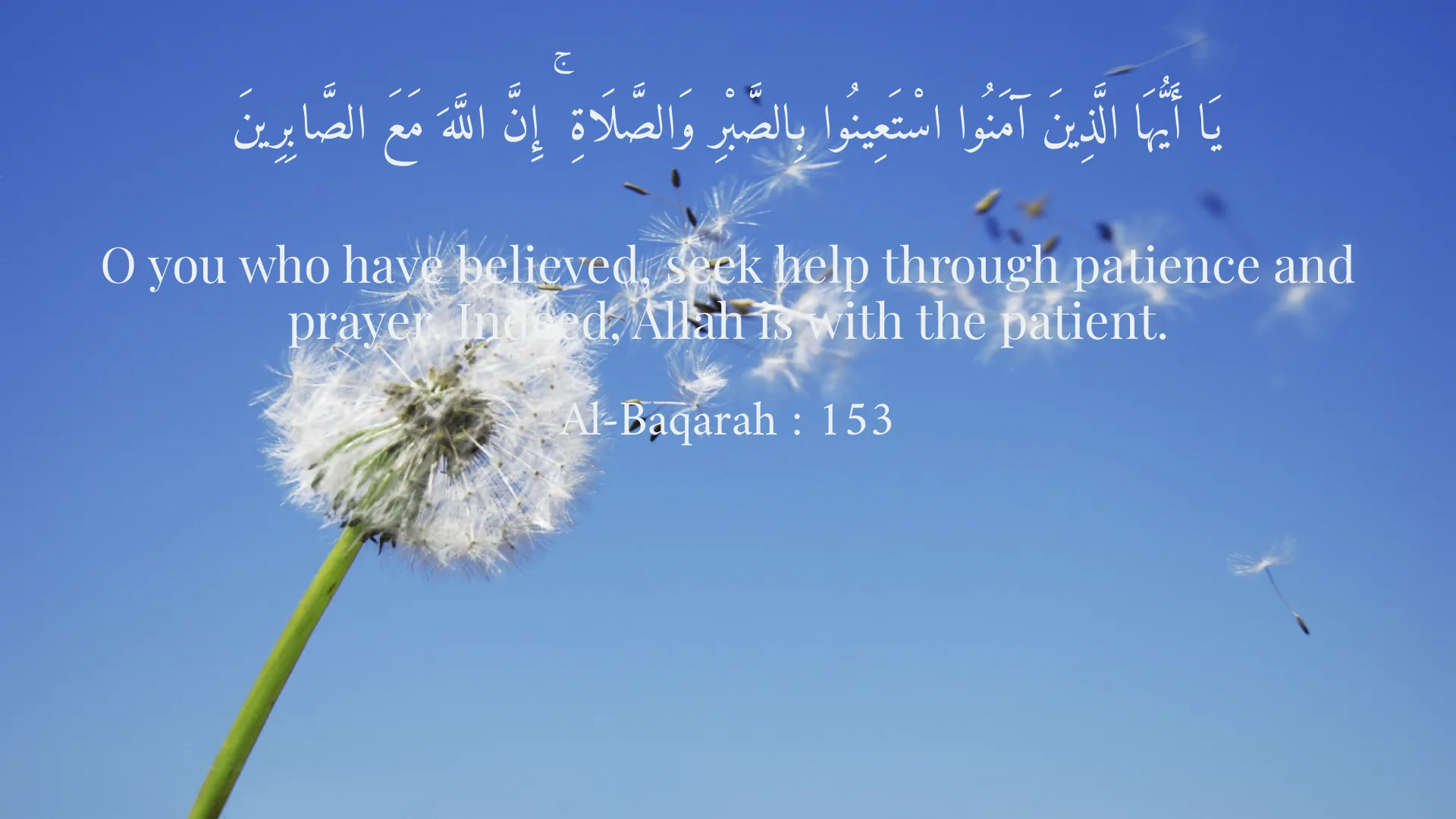
يَا أَيُّهَا الَّذِينَ آمَنُوا اسْتَعِينُوا بِالصَّبْرِ وَالصَّلَاةِ ۚ إِنَّ اللَّهَ مَعَ الصَّابِرِينَ
O you who have believed, seek help through patience and prayer. Indeed, Allah is with the patient.
Al-Baqarah : 153
لَهُ مُعَقِّبَاتٌ مِّن بَيْنِ يَدَيْهِ وَمِنْ خَلْفِهِ يَحْفَظُونَهُ مِنْ أَمْرِ اللَّهِ ۗ إِنَّ اللَّهَ لَا يُغَيِّرُ مَا بِقَوْمٍ حَتَّى يُغَيِّرُوا مَا بِأَنفُسِهِمْ ۗ وَإِذَا أَرَادَ اللَّهُ بِقَوْمٍ سُوءًا فَلَا مَرَدَّ لَهُ ۚ وَمَا لَهُم مِّن دُونِهِ مِن وَالٍ
For each [person] are successive [angels] before him and behind him who protect him by command of Allah. Indeed, Allah will not change the condition of a people until they change what is in themselves. And when Allah intends for a people ill, there is no repelling it. And there is not for them besides Him any protector.
Ar-Ra'd : 11
وَلَنَبْلُوَنَّكُم بِشَيْءٍ مِّنَ الْخَوْفِ وَالْجُوعِ وَنَقْصٍ مِّنَ الْأَمْوَالِ وَالْأَنفُسِ وَالثَّمَرَاتِ ۗ وَبَشِّرِ الصَّابِرِينَ
And We will surely test you with something of fear and hunger and a loss of wealth and lives and fruits, but give good tidings to the patient.
Al-Baqarah : 155
Short Story
It is narrated that a poor man in the marketplace of Nishapur had no shoes and was lamenting and complaining about his bare feet. He would say, "How miserable I am, for I don't even have a pair of shoes to protect my feet from the cold and pebbles!" As he gazed longingly at his bare feet and complained about his fate, his eyes suddenly fell upon a man who had no feet and was crawling on the ground. At that moment, the poor man felt ashamed of his complaints and said, "Now I understand that my misfortune is nothing compared to his pain. I merely lacked shoes, but he lacked feet." This short story teaches us that even amidst the peak of hardships and feelings of victimhood, we can always change our perspective and look at the blessings we possess, however small, to revive a sense of gratitude within ourselves and free ourselves from the snare of despair. Allah always leaves a path for thanks and peace within the hearts of His servants.