Quranic Answer
The experience of loneliness is a deeply human emotion that can impact individuals at various stages of life. While the Holy Quran does not address loneliness in a direct manner, it offers profound insights and guidance on how to cope with spiritual and emotional challenges that often accompany feelings of isolation. At the core of these teachings is the relationship between human beings and Allah, which can serve as a source of comfort and strength during trying times. In Surah Ar-Ra'd, verse 28, it is stated: 'Indeed, in the remembrance of Allah do hearts find rest.' This verse highlights the significance of maintaining a conscious relationship with God. The act of remembering Allah, through prayers, supplications, and reflection, can anchor believers amidst the storms of loneliness. This remembrance provides solace, assuring individuals that they are never truly alone. The Quran encourages believers to seek refuge in Allah, emphasizing that He is always present, even when social connections may seem fleeting. Moreover, the Quran acknowledges the power of spiritual awareness. Surah Al-Anfal, verse 72, reads: 'Indeed, the believers are those when Allah is mentioned, their hearts tremble.' This verse indicates that the mere mention of Allah can invoke a deep emotional response, awakening a sense of connection and peace. During moments of solitude, believers are reminded to turn their thoughts towards Allah, fostering spiritual consciousness that can soothe the heart and spirit. Loneliness often arises from disconnection—not only with others but also with oneself and, importantly, with God. In navigating this emotional challenge, the Quran encourages believers to strengthen their ties with Allah as well as with their community. The symbiotic relationship between one’s personal faith and social interactions is vital. Engaging with friends, family, and the broader community can alleviate feelings of isolation. These social bonds not only provide physical companionship but serve as a reminder of the empathy and support that exists within the human experience. Building and nurturing relationships can help individuals feel more connected and lessen the impact of loneliness. The Quranic message promotes balance between spiritual devotion and social interaction. In moments of solitude, believers are encouraged to reach out to others. This call for interaction is crucial, as sharing experiences, thoughts, and feelings with trusted confidants can provide significant emotional relief. Isolation can breed negative thoughts, and through open dialogue with friends and family, individuals can gain new perspectives, encouragement, and understanding. Furthermore, the teachings of the Quran enrich the framework of coping with loneliness through the concept of empathy and connection. Giving and receiving support cultivates a sense of belonging, reminding individuals that they are part of a larger, interconnected human family. Acts of kindness, community service, and being present for others can shift focus from one’s personal feelings of isolation to fostering a communal spirit. In addition, believers are reminded that God’s presence provides consistent support. Establishing a strong relationship with Allah can serve as an emotional anchor during difficult times. Invoking divine assistance through prayers and reflection can alleviate feelings of despair and loneliness. During those moments when social connection may falter, turning inward and focusing on spiritual development can assure individuals that they are accompanied by a divine presence. Another element worth noting is that the experience of loneliness often triggers an inward journey of self-awareness. During these times, individuals may engage in introspection, leading to personal growth and understanding. The Quran encourages self-reflection as a means of seeking closeness to Allah. By turning loneliness into an opportunity for self-discovery and spiritual awakening, believers may cultivate a deeper understanding of their emotions and how to address them through faith. Ultimately, the Quran teaches that the feeling of loneliness need not be a path defined by despair. Instead, believers are invited to view it as an opportunity for spiritual enrichment and community connectivity. Engaging in rhythmic remembrance of Allah can serve as both a shelter and a guiding light in moments of isolation. This connection fosters inner peace while simultaneously encouraging individuals to reach out and strengthen their social ties. In conclusion, while the Holy Quran does not explicitly discuss loneliness as a standalone issue, its teachings implicitly address the emotional and spiritual requirements of navigating loneliness. It encourages believers to remember God, engage in community, and seek solace in spiritual practices. By bridging the gap between personal faith and social interaction, individuals can find support and relief, transforming loneliness into a catalyst for spiritual growth and community connection. A reminder that through faith, compassion, and active engagement with others, feelings of loneliness can become manageable, and individuals can find comfort in the ever-present company of Allah.
Related Verses
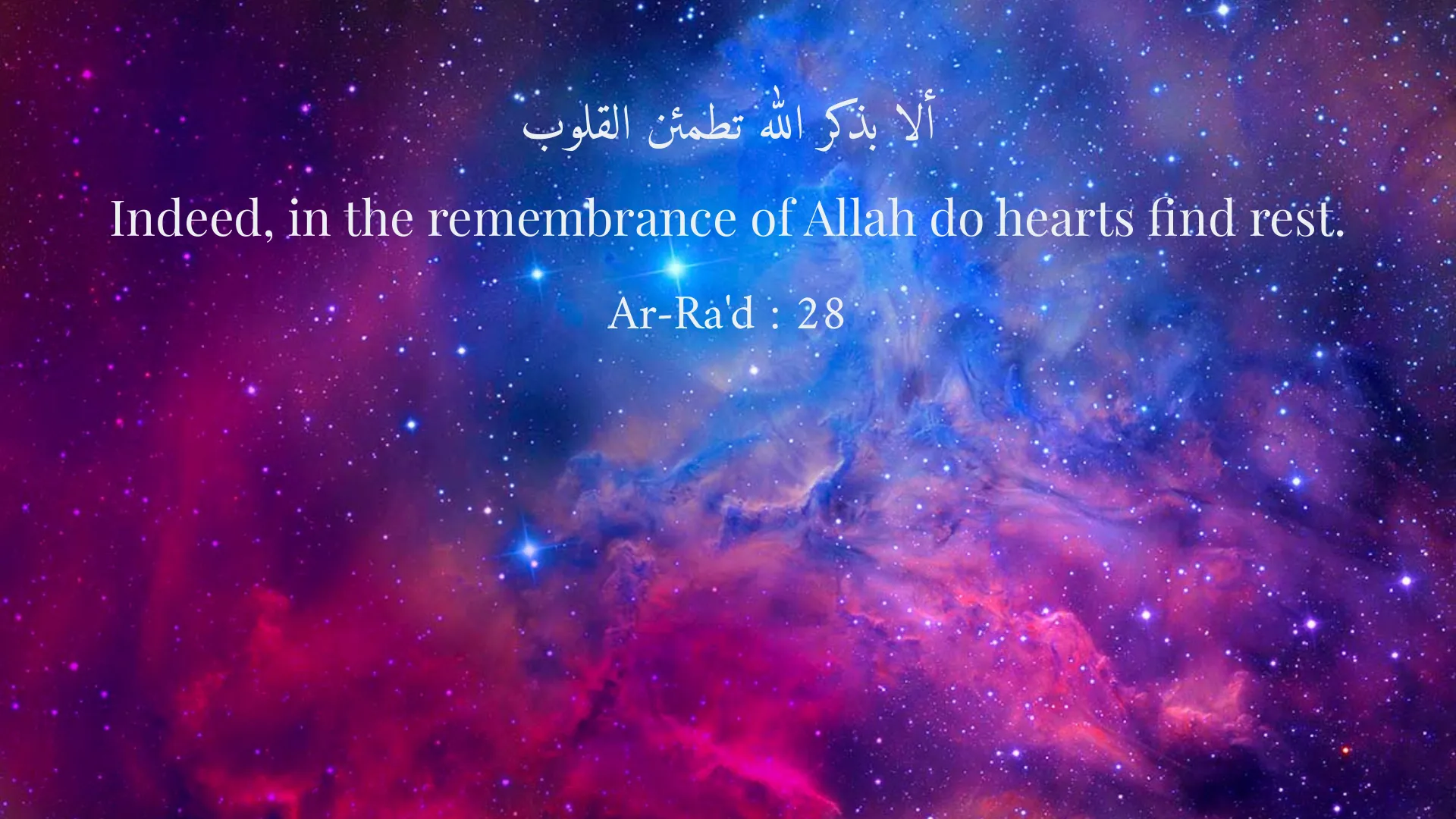
ألا بذكر الله تطمئن القلوب
Indeed, in the remembrance of Allah do hearts find rest.
Ar-Ra'd : 28
إنما المؤمنون الذين إذا ذُكر الله وجلت قلوبهم
Indeed, the believers are those when Allah is mentioned, their hearts tremble.
Al-Anfal : 72
Short Story
Once upon a time, a man named Hossein was overwhelmed with feelings of loneliness and sadness. He remembered a verse from the Quran that said, 'Indeed, in the remembrance of Allah do hearts find rest.' Hossein decided to fill his days with the remembrance of God and dedicated several hours to prayer and supplication. He would visit mosques and connect with other believers. Gradually, his feelings of loneliness began to diminish, and day by day he experienced greater peace. Hossein's story serves as a reminder of how one can overcome loneliness through the remembrance of God and connecting with others.