Quranic Answer
Injustice is one of the most pressing social and human challenges that individuals may encounter throughout their lives. It manifests itself in various contexts, whether in personal relationships, workplace environments, or the broader societal landscape. The Islamic tradition places significant importance on dealing with injustices and emphasizes the need for patience, resilience, and the pursuit of justice. This article aims to explore the Quranic teachings on patience, prayer, and justice in response to injustice, providing insights and reflections on how these principles can guide individuals in confronting the adversities they face. The Quran, as a central religious text in Islam, serves as a source of guidance for millions of believers around the world. Within its verses, believers are instructed on how to navigate trials and tribulations, especially those that stem from injustices. One of the key messages found in Surah Al-Baqarah (2:153) emphasizes the combination of patience and prayer as mechanisms for coping with hardship. The verse states: "O you who have believed, seek help through patience and prayer. Indeed, Allah is with the patient." This divine instruction reinforces the concept that believers must not capitulate in the face of injustice but rather find strength through faith. Patience, in this context, is not merely the act of enduring suffering in silence. It is a proactive stance that involves maintaining hope and trust in Allah's wisdom. This concept of patience is intricately linked to the idea of surrendering to divine decree, which calls for believers to accept their circumstances while striving to rectify injustices. This approach encourages individuals to engage in thoughtful reflection and action, ensuring they do not succumb to bitterness or despair. A related principle underscored in the Quran is the idea that believers should not grieve over their hardships but instead cling to their faith. Surah Al-Imran (3:139) states: "And do not grieve; indeed, you will be the highest if you are believers." This verse highlights the importance of maintaining a positive outlook and confidence in one's elevated status as a believer, even when faced with adversity. By nurturing this sense of faith and resilience, individuals can cultivate a mindset that empowers them to confront and combat injustices. In addition to patience and prayer, the promotion of justice stands as a pivotal response to injustices. The Quranic text urges individuals to actively pursue justice, even in the face of personal animosities or adversarial relationships. Surah An-Nisa (4:135) calls upon people to be steadfast in justice, stating: "O you who have believed, be persistently standing firm in justice, witnesses for Allah, even if it be against yourselves or parents and relatives." This demand for fairness illustrates the profound significance of justice within the Islamic faith and encourages believers to act justly and equitably, regardless of the circumstances. Promoting justice involves more than merely condemning wrongful acts; it requires individuals to embody and exemplify the virtues of fairness and equity in their everyday actions and interactions. When individuals commit to upholding justice, it creates a ripple effect, inspiring those around them to follow suit. This collective commitment to justice fosters a culture of fairness and accountability, which stands as a powerful antidote against the prevalence of injustice in society. Advocating for justice serves not only as a method of alleviating personal injustices but also cultivates an environment where systemic injustices can be challenged and addressed. Furthermore, Surah Al-Ma'idah (5:8) reinforces the call for individuals to stand firmly in justice and testify to the truth, even if it comes at a personal cost: "And be persistently standing firm in justice, witnesses for Allah." This directive emphasizes the expectation that individuals must uphold justice in all facets of life, advocating for truth and fairness. Upholding this divine injunction can be particularly challenging, especially when standing against popular opinion or societal norms. Yet, the Quran asserts that the pursuit of justice is a noble act that aligns with one's responsibilities as a believer. Through the persistent pursuit of justice and accountability, individuals not only fulfill their spiritual obligations but also contribute positively to the wider community. Ultimately, the combination of prayer, patience, faith, and active commitment to justice provides a comprehensive framework for individuals facing injustice. By embedding these principles into their daily lives, believers can navigate the complexities of injustice with resilience and purpose. Furthermore, it is essential to recognize that coping with injustice extends beyond individual actions; it also encompasses fostering a culture of patience, accountability, and justice within society. A community that collectively embraces these values can work toward reducing the prevalence of injustices and creating an environment where fairness, respect, and dignity are upheld for everyone. In conclusion, addressing injustices is an integral part of the Islamic faith, as conveyed in the Quran. In the face of adversity, believers are encouraged to practice patience, seek help through prayer, and advocate for justice. By embodying these principles, individuals not only strengthen their personal faith and resilience but also contribute to building a just and equitable society. As we navigate the challenges of our lives, let us remember the Quranic teachings that guide us toward righteousness, fostering a commitment to justice and compassion in our hearts and actions.
Related Verses
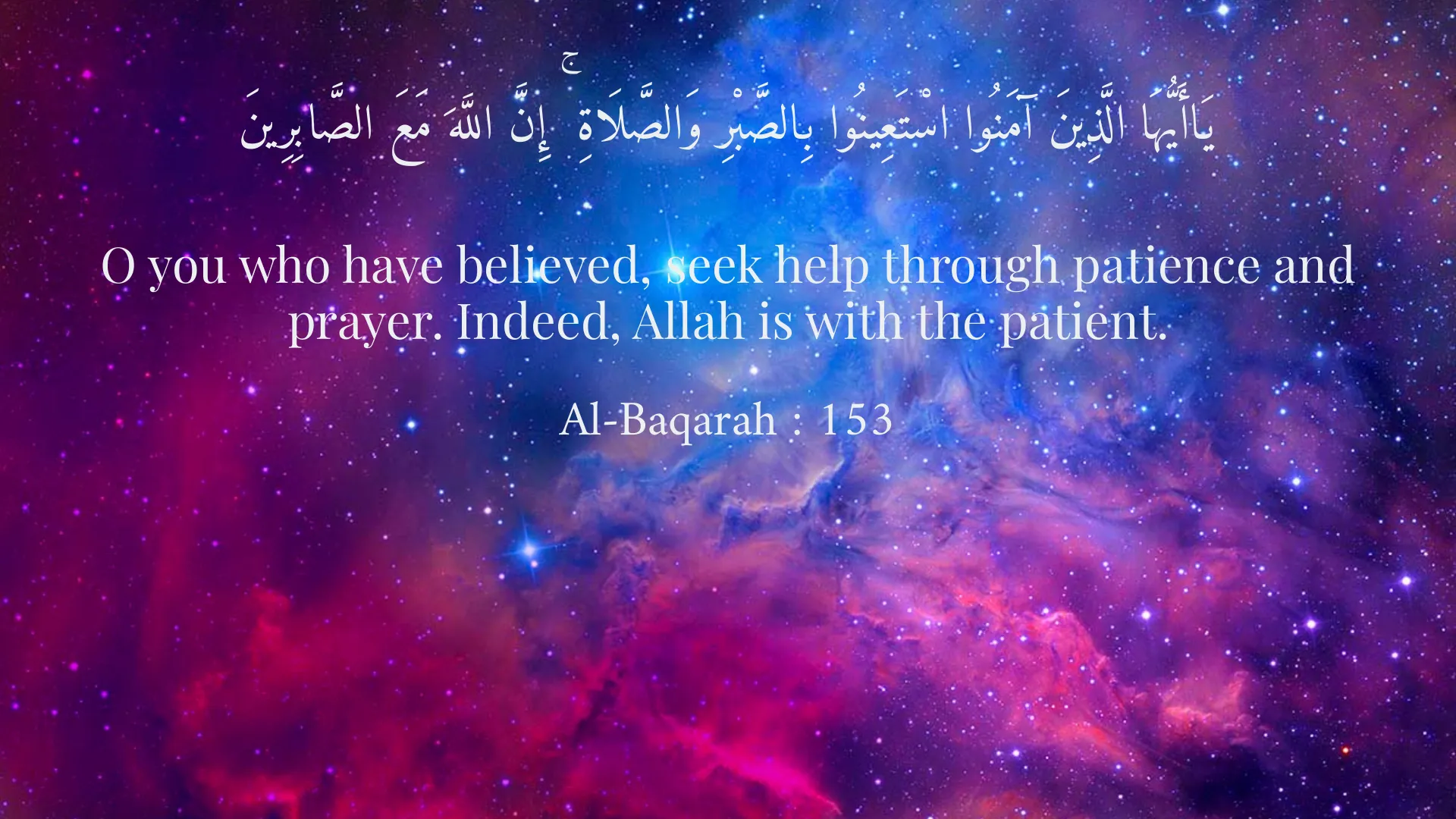
يَاأَيُّهَا الَّذِينَ آمَنُوا اسْتَعِينُوا بِالصَّبْرِ وَالصَّلَاةِ ۚ إِنَّ اللَّهَ مَعَ الصَّابِرِينَ
O you who have believed, seek help through patience and prayer. Indeed, Allah is with the patient.
Al-Baqarah : 153
وَلَا تَهِنُوا فِي ابْتِغَاءِ الْقَوْمِ إِن كُنتُم مُّؤْمِنِينَ
And do not weaken in pursuing the disbelieving people if you are believers.
Al-Imran : 139
يَا أَيُّهَا الَّذِينَ آمَنُوا كُونُوا قَوَّامِينَ بِالْقِسْطِ شُهَدَاءَ لِلَّهِ ۖ وَإِن تَكُنُوا ۚ أَوْ أَحَدٌ فَالْقِسْطَ. أَوْ أَحَدٌ ۖ
O you who have believed, be persistently standing firm in justice, witnesses for Allah, even if it be against yourselves.
An-Nisa : 135
Short Story
One day, a man named Yaser lived in a desert of injustice. He was very sad and hopeless. One of his friends said to him: "Yaser, remember you must be patient and pray. If you are patient, Allah will help you." Yaser thought to himself and realized that hopelessness was nothing but fatigue of the spirit. He decided to turn to prayer and doing good deeds, believing that a new day was ahead, and continued with his everyday life.