Quranic Answer
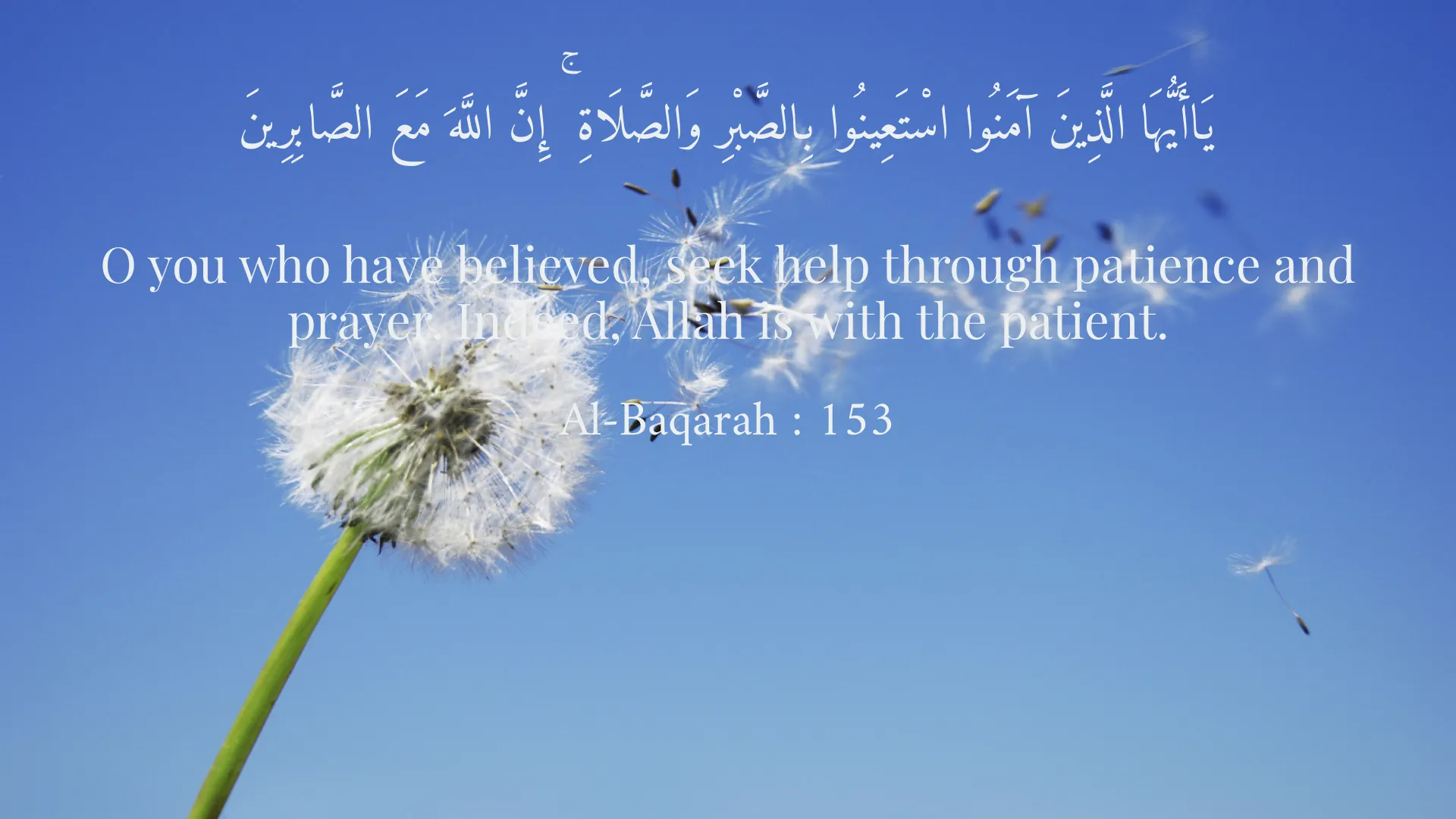
Life is full of challenges and difficulties, and in the Holy Quran, Allah teaches us how to act in the face of such problems. One of the significant strategies that is mentioned in this context is patience and prayer, which are not just mere words but foundational pillars of a believer's life. The journey through life is often tumultuous, filled with obstacles that can dishearten even the strongest among us. However, by adhering to the divine guidance laid out in the Quran, we can navigate these challenges with resilience and grace. In Surah Al-Baqarah, verse 153, Allah says: 'O you who have believed, seek help through patience and prayer. Indeed, Allah is with the patient.' This verse emphasizes that to deal with hardships, we must turn to patience and establish communication with God through prayer. The synergy of patience and prayer creates a powerful means of coping with life's adversities. When faced with challenges, it is easy to succumb to despair, but implementing these practices allows us to maintain a connection with the divine, offering us strength in our time of need. Patience, or Sabr, is not a passive state of waiting but an active engagement with our circumstances. It is about persevering in the face of trials and trusting that Allah's wisdom surpasses our understanding. This principle reminds us that difficulty is an integral part of life, and with steadfast patience, we can weather any storm. Moreover, prayer invokes divine assistance, reinforcing our belief that we are not alone in our struggles. It places our trust entirely in Allah, the Most Merciful, who hears our pleas and responds in His timeless wisdom. Another command highlighted in the Quran is to strengthen the spirit of gratitude in the face of difficulties. In Surah Ibrahim, verse 7, it states: 'And when you give thanks, I will certainly give you more.' Here, the emphasis on gratitude — aside from the hardships — provides the individual with greater strength and energy to confront life's challenges. Gratitude shifts our perspective; it transforms our focus from what is lacking or difficult to the abundance and blessings present in our lives. By choosing to adopt an attitude of thankfulness, regardless of external circumstances, we invite positivity into our hearts, which can be a powerful catalyst for resilience. Additionally, cultivating gratitude helps foster patience. When we recognize the gifts we have, no matter how small, it becomes easier to endure what we may be lacking or suffering. This practice can also lead to an overall happier and more fulfilling life, as it nurtures a sense of contentment and peace amidst chaos. The Quran encourages us to reflect on our circumstances with a grateful heart, reminding us of the many blessings that often go overlooked in our daily lives. Furthermore, in Surah At-Talaq, verse 2, Allah promises that after hardship will come ease. Therefore, in times of adversity, we must understand that these situations are temporary and that ease follows every hardship as promised. This concept is crucial for maintaining hope during difficult times. The trials we face are often not an end but rather a prelude to better days ahead. This promise from Allah instills in us the understanding that no matter how severe the struggle, relief is destined to follow. In a broader context, the teachings of the Quran about patience, gratitude, and the transient nature of hardship can help us cultivate a positive and hopeful attitude towards life. Each difficulty becomes an opportunity for growth and learning. It encourages us not just to survive but to thrive, emerging from each challenge with more strength and wisdom than before. Through these teachings, we are provided with a roadmap for navigating life’s complexities, enabling us to become resilient and steadfast. Moreover, life’s challenges also offer us a unique opportunity for self-reflection and introspection. They compel us to evaluate our priorities, assess our values, and determine the essence of what truly matters to us. In times of adversity, we may find hidden resources within ourselves that we were unaware existed, prompting growth on both spiritual and personal levels. Thus, facing difficulties with the guidance of Quranic teachings not only aids in overcoming the current issues but also paves the way for a more profound transformation and fulfillment. The collective insights gained through the Quranic verses guide us to cultivate patience, nurture gratitude, and maintain hope, propelling us through the vicissitudes of life. They cultivate resilience, prompting us to rise after every fall, and strengthen our faith in Allah’s mercy and wisdom. In conclusion, the strategies taught in the Holy Quran for dealing with life's challenges are essential. They offer a robust framework for coping with adversities through patience and prayer. Alongside these, fostering gratitude and understanding the temporary nature of difficulties helps us approach life with a positive and hopeful mindset. Embracing these teachings not only equips us to handle difficulties more effectively but also enriches our spiritual journey, ensuring that we thrive even amid trials. With Allah's promise that ease comes after hardship, we are reminded that every test is an opportunity for growth, reflection, and a deeper connection to the divine, allowing us to emerge stronger and more resilient amidst life’s challenges.
Related Verses
يَاأَيُّهَا الَّذِينَ آمَنُوا اسْتَعِينُوا بِالصَّبْرِ وَالصَّلَاةِ ۚ إِنَّ اللَّهَ مَعَ الصَّابِرِينَ
O you who have believed, seek help through patience and prayer. Indeed, Allah is with the patient.
Al-Baqarah : 153
وَلَئِن شَكَرْتُمْ لَأَزِيدَنَّكُمْ ۖ وَ لَئِن كَفَرْتُمْ إِنَّ عَذَابِي لَشَدِيدٌ
And if you are grateful, I will surely increase your favor upon you; but if you deny, indeed, My punishment is severe.
Ibrahim : 7
فَمَنِ اتَّقَى اللَّهَ فَأَحَصَتْهُ سَبُلًا
And whoever fears Allah - He will make for him a way out.
At-Talaq : 2
Short Story
One day, a man named Hassan faced many problems in his life. He decided to look into the Quran and found soothing verses that inspired him. Hassan began to pray and steadily overcame his difficulties. He learned from his experiences that patience and gratitude are the keys to overcoming hardships.