Quranic Answer
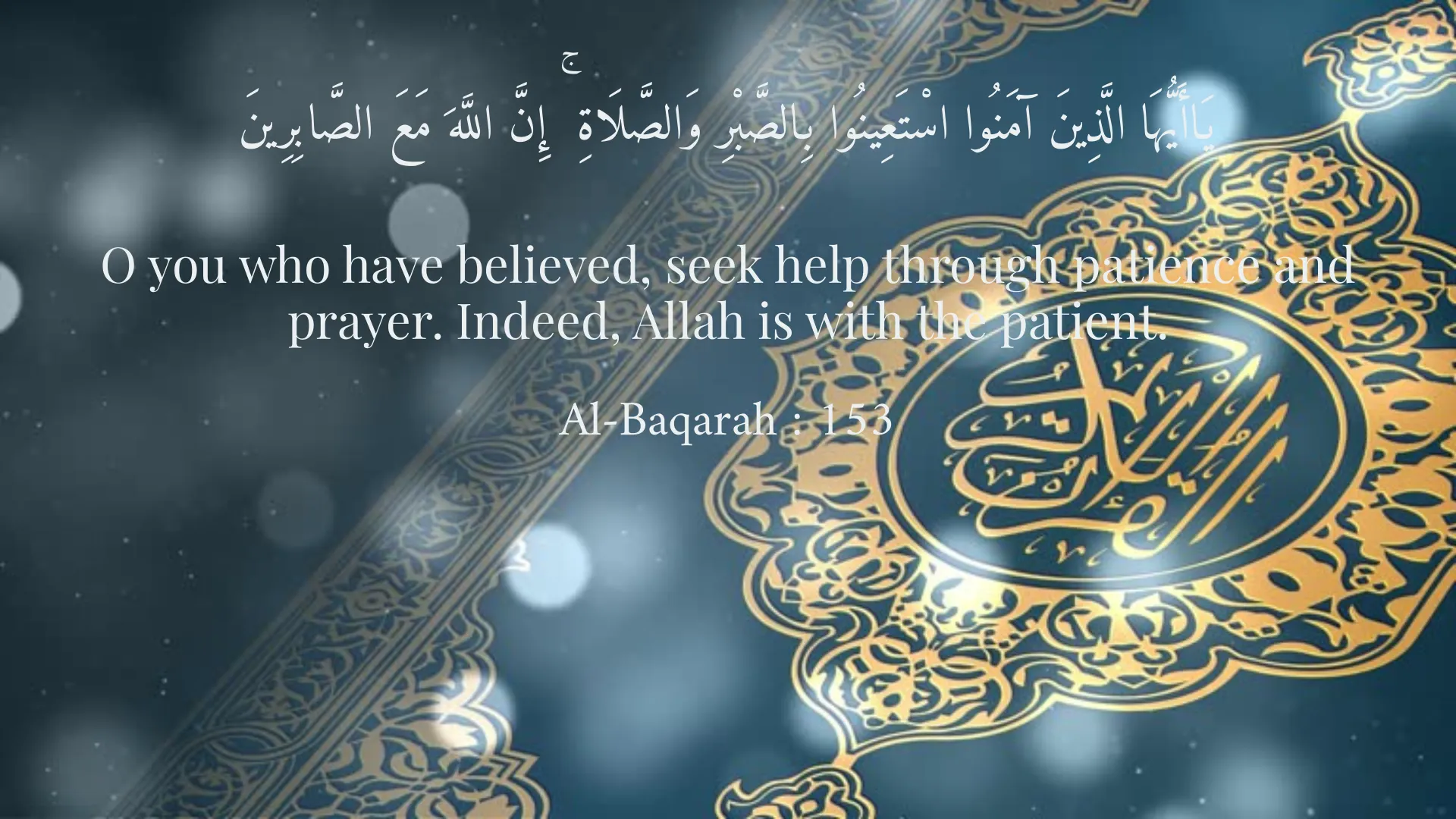
The Holy Quran, revered by millions as the literal word of God, provides profound insights into the nature of life, highlighting injustices and inequalities that individuals may encounter. Its core teachings offer guidance on how one can combat and cope with these challenges, directing its followers toward a pathway of hope, strength, and inner peace. One of the most fundamental principles presented in the Quran is the concept of patience and perseverance. The Quran emphasizes that enduring hardship requires not merely tolerance but a proactive approach to maintaining one's moral and emotional integrity even amidst despair and unfairness. In Surah Al-Baqarah, verse 153, Allah advises believers to seek help through patience and prayer, stating, "O you who have believed, seek help through patience and prayer. Indeed, Allah is with the patient." Here, the Quran intertwines patience with the act of prayer, illustrating that the practice of faith and continuity in communication with God is essential to overcoming adversities. Patience is depicted as a spiritual muscle, one that needs to be exercised regularly to grow stronger. This notion of patience extends beyond just enduring challenges; it requires maintaining a positive and hopeful disposition, one that actively seeks solutions and responds to injustices with grace and insight rather than bitterness. A deeper analysis of Quranic teachings reveals that injustices are not merely random occurrences but part of the divine tests that Allah sets to assess the faith and resilience of believers. In Surah Al-Anbiya, verse 35, it states, "And We test you with evil and with good as a trial." This profound declaration signifies that both happiness and hardship serve a purpose within the divine framework. Life is a journey through which Allah tests the moral fiber of individuals, their ability to remain steadfast in belief amidst tribulations, and their resolve to act justly when faced with adversity. Moreover, Surah Luqman, verse 17 further reinforces this concept, where God urges humanity to practice patience and remembering Him during times of trouble. Allah says, "O my son, establish prayer and enjoin what is right and forbid what is wrong and be patient over what befalls you. Indeed, that is of the matter requiring determination." These words resonate with the reality that connecting with God during hardship serves to provide solace and a sense of clarity. Such remembrance not only mitigates feelings of loneliness during tribulations but also reminds individuals that they are part of a greater narrative, one woven through divine purpose. The Quranic verses collectively offer a framework for coping with injustices, advocating for a reliance on God, and transcending personal grievances by embracing a broader understanding of life’s challenges. The act of enduring hardship and practicing patience aligns closely with cultivating a mindset oriented towards gratitude and resilience. It encourages believers to look beyond their immediate suffering and understand that their trials may indeed elevate their spiritual standing or serve as a means of purifying the soul. ### The Role of Community in Facing Injustice In the context of coping with injustice, the Quran also emphasizes the communal aspect of faith. Believers are encouraged to support one another, share their burdens, and stand against injustice collectively. An important aspect of the Islamic faith is the community or Ummah, which inherently fosters a sense of belonging and mutual aid. Surah Al-Hujurat, verse 10 highlights, "The believers are but brothers, so make settlement between your brothers. And fear Allah that you may receive mercy." This verse expresses the importance of unity in the face of adversity and injustice. By interacting with a supportive community, individuals can draw strength and resilience. This communal solidarity becomes a powerful force against oppression, highlighting that no one is alone in their struggles. Additionally, the Quranic obligation for believers to advocate for justice aligns with the need to tackle not only personal injustices but systemic ones as well. Injustice, whether it be social, economic, or political, must be confronted through collective action. Surah Al-Ma'idah, verse 8 exhorts believers: "...be persistently standing firm in justice, witnesses in Allah's cause..." This call to action elevates the concept of patience beyond the personal sphere, urging individuals to engage with broader societal issues and injustices that affect communities at large. Such engagement fosters an atmosphere where believers not only seek help from God but also act as agents of change themselves. ### Finding Inner Peace Through Submission The essence of coping with injustice through the lens of the Quran lies in the profound act of surrendering to God's will, recognizing that He has knowledge beyond human comprehension. Surah Ash-Sharh, verse 5 states, "For indeed, with hardship [will be] ease." This powerful assurance serves as a reminder that every difficulty will eventually pass, paving the way for relief and contentment. Embracing this divine promise enables believers to endure hardships with the understanding that trials are temporary, and the relief that follows can nurture deep inner peace. Furthermore, continual reflection upon Quranic verses and their teachings can cultivate a sense of resilience and determination. It allows individuals to develop a broader perspective on their experiences, helping to reinterpret personal suffering as a means towards personal growth and spiritual elevation. As individuals deepen their understanding of patience, faith, and reliance on God, they find an inner strength that empowers them to overcome challenges and injustices that life presents. ### Conclusion In conclusion, the Holy Quran explicitly addresses the realities of injustice and inequality, proffering wisdom that empowers believers to confront and transcend their trials. Through the principles of patience, prayer, and communal support, individuals are equipped with the tools necessary to endure hardship with dignity and grace. The Quran teaches that injustices are part of life’s tests—opportunities for believers to fortify their faith while engaging in a broader communal fight against wrongdoing. By fostering a connection with God, participating in communal efforts, and espousing the virtues of patience and resilience, individuals can navigate the varied injustices of life and emerge not only stronger but also as agents of justice in their communities. The journey may be fraught with challenges, but the promise of Allah’s support assures believers that ultimately, patience and faith pave the way to inner peace and strength.
Related Verses
يَاأَيُّهَا الَّذِينَ آمَنُوا اسْتَعِينُوا بِالصَّبْرِ وَالصَّلَاةِ ۚ إِنَّ اللَّهَ مَعَ الصَّابِرِينَ
O you who have believed, seek help through patience and prayer. Indeed, Allah is with the patient.
Al-Baqarah : 153
وَ نَبْلُوکُم بِالشَّرِّ وَ الْخَیرِ فِتْنَةً
And We test you with evil and with good as a trial.
Al-Anbiya : 35
يَا بُنَيَّ أَقِمِ الصَّلَاةَ وَأْمُرْ بِالْمَعْرُوفِ وَانْهَ عَنِ الْمُنْكَرِ وَاصْبِرْ عَلَى مَا أَصَابَكَ ۚ إِنَّ ذَٰلِكَ مِنْ عَزْمِ الْأُمُورِ
O my son, establish prayer, and enjoin what is right and forbid what is wrong and be patient over what befalls you. Indeed, that is of the iman things.
Luqman : 17
Short Story
One day, a young man named Amir decided to cope with the injustices he saw in his community. He recalled the verses of the Quran and resolved to make patience his practice. The injustices he witnessed troubled him, but with prayer and reliance on God, he gained greater peace. He learned to confront problems with patience and resilience and to help others act with kindness and goodwill.