Quranic Answer
The phenomenon of spiritual boredom is a shared experience among countless individuals in various stages of their lives. Many people encounter this feeling during times of great change, uncertainty, or even complacency. Spiritual boredom can manifest as a sense of disconnection from deeper meaning, a lack of engagement in spiritual practices, or simply an overwhelming sense of monotony in one’s spiritual journey. This paper explores the causes and consequences of spiritual boredom and offers practical strategies drawn from Islamic teachings to overcome it. The Holy Quran, the central religious text of Islam, serves as an essential spiritual guide for Muslims around the world. The exploration of its verses reveals much about the nature of the human experience, particularly regarding boredom in spirituality. An exemplary verse that addresses the healing properties of remembering Allah is found in Surah Ar-Ra'd (13:28): ‘Indeed, by the remembrance of Allah do hearts find rest.’ This powerful statement indicates that the core solution to combating spiritual boredom lies in the consistent practice of remembrance and mindfulness towards Allah. For many, spiritual boredom is exacerbated by the demands of daily life, which can sometimes overshadow the importance of spirituality. In these moments, individuals may drift towards distractions, losing sight of their connection with God. To counteract this, it is crucial to rejuvenate spiritual engagement through concrete practices. A fundamental approach to re-establishing this connection is prayer. Surah Al-Baqarah (2:153) emphasizes this necessity, advising believers to ‘seek help through patience and prayer.’ Prayer serves as a vital anchor in times when one feels spiritually adrift. It is not merely a ritualistic act but a profound opportunity to communicate with God, express gratitude, seek guidance, and find solace. Regular prayer can restore a sense of calm and rekindle spiritual motivation which may have dimmed due to life’s various challenges. In addition to prayer, reflection on the verses of the Quran is another pathway to combatting spiritual ennui. Surah Al-Imran (3:191) states: ‘Indeed, in the creation of the heavens and the earth and the alternation of the night and day are signs for those of understanding.’ Such contemplative practices encourage individuals to ponder the deeper meanings behind the divine creations and the order of the universe. This self-reflection allows for a richer grasp of faith, maturity in understanding spirituality, and ultimately, a revitalization of one’s spiritual life. Contemplation can take various forms, from studying the Quran to simply sitting in silence while observing the natural world. One might consider journaling their thoughts and reflections or discussing the scriptures with fellow believers. This practice of shared understanding can bring different perspectives and inspire deeper connections with both the community and with God. Furthermore, interaction with others can play a crucial role in overcoming feelings of spiritual boredom. Engaging in community service and helping those in need offers an avenue to express one’s faith in action. When individuals come together for a shared purpose, it strengthens communal bonds and enhances personal spirituality. The act of reaching out to others not only fulfills a moral obligation but also resonates deeply within the hearts of both the giver and the receiver, igniting a sense of purpose and fulfillment. Additionally, it is essential to acknowledge that spiritual boredom can also stem from stagnation within one’s faith journey. To address this, one might consider exploring new methods of worship and spiritual practice to adjust their spiritual routine. This can involve trying out new prayers, engaging in group worship, or even learning new Islamic traditions. Embracing change and accountability in one’s spiritual practice revitalizes the overall experience and positions individuals to embrace spiritual growth. Incorporating diverse forms of worship enhances the understanding of one’s faith and breaks free from any plaguing monotony. Whether it be reading different interpretations of the Quran, listening to spiritual lectures, or participating in community gatherings, each experience contributes to personal spiritual enrichment. Moreover, technology today allows for a wealth of resources that make learning and interaction more accessible than ever before. Online platforms, workshops, lectures, and virtual courses can seamlessly complement traditional practices. Utilizing these tools opens up a myriad of opportunities to deepen one’s faith without the confines of physical locations. Amidst all of these forms of engagement, it is vital to remember the principle of balance. Spirituality should not become a source of additional stress or obligation; instead, it should serve as a refuge and a source of joy. Therefore, individuals must find what resonates most profoundly with them on a personal level. Consideration of one’s needs and circumstances should shape how one approaches their spiritual practice. To conclude, spiritual boredom is a challenge that many face in their spiritual journey but is not insurmountable. Through the remembrance of Allah, regular prayer, contemplation of the Quran, community interaction, and the willingness to explore new worship methods, individuals can revitalize their spiritual lives. By remaining engaged and employing these strategies, one can overcome spiritual boredom and foster a deeper, more meaningful connection with God. The journey towards spiritual fulfilment is a dynamic process, enriched by experience, contemplation, and community, ultimately leading to a heart that finds rest in the divine presence.
Related Verses
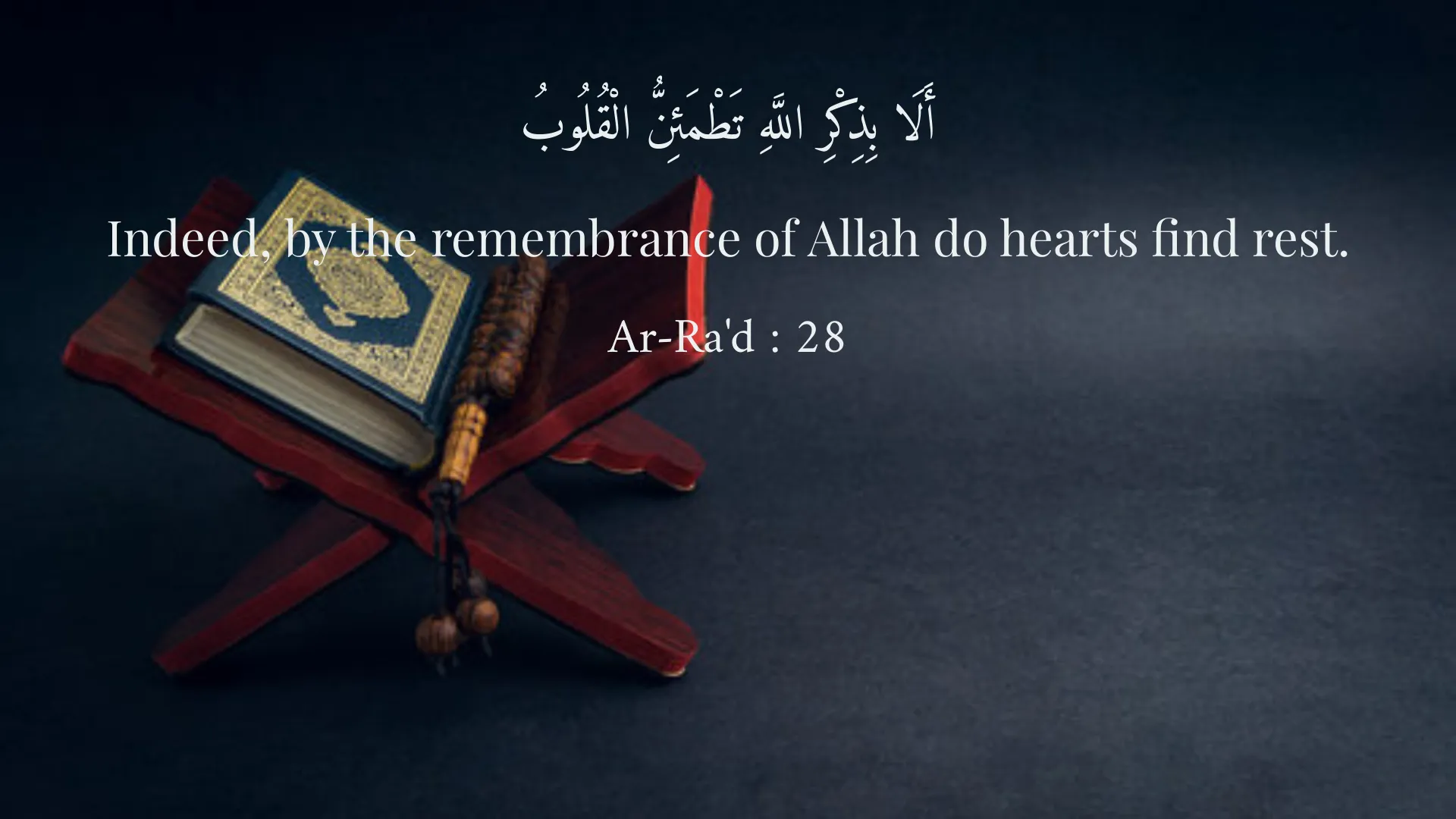
أَلَا بِذِكْرِ اللَّهِ تَطْمَئِنُّ الْقُلُوبُ
Indeed, by the remembrance of Allah do hearts find rest.
Ar-Ra'd : 28
يَا أَيُّهَا الَّذِينَ آمَنُوا اسْتَعِينُوا بِالصَّبْرِ وَالصَّلاةِ ۚ إِنَّ اللَّهَ مَعَ الصَّابِرِينَ
O you who have believed, seek help through patience and prayer. Indeed, Allah is with the patient.
Al-Baqarah : 153
إنَّ فِي خَلْقِ السَّمَاوَاتِ وَالْأَرْضِ وَاخْتِلَافِ اللَّيْلِ وَالنَّهَارِ لَآيَاتٍ لِأُولِي الْأَلْبَابِ
Indeed, in the creation of the heavens and the earth and the alternation of the night and day are signs for those of understanding.
Al-Imran : 191
Short Story
Once upon a time, a man named Ahmad felt tired of his spirituality. He sensed that his connection with God had weakened. He decided to go on a journey and observe. While sitting in beautiful nature, he prayed. At that moment, tears flowed from his eyes, and he felt an incredible peace. He realized that God was always near, and all he needed to do was talk to Him.