Quranic Answer
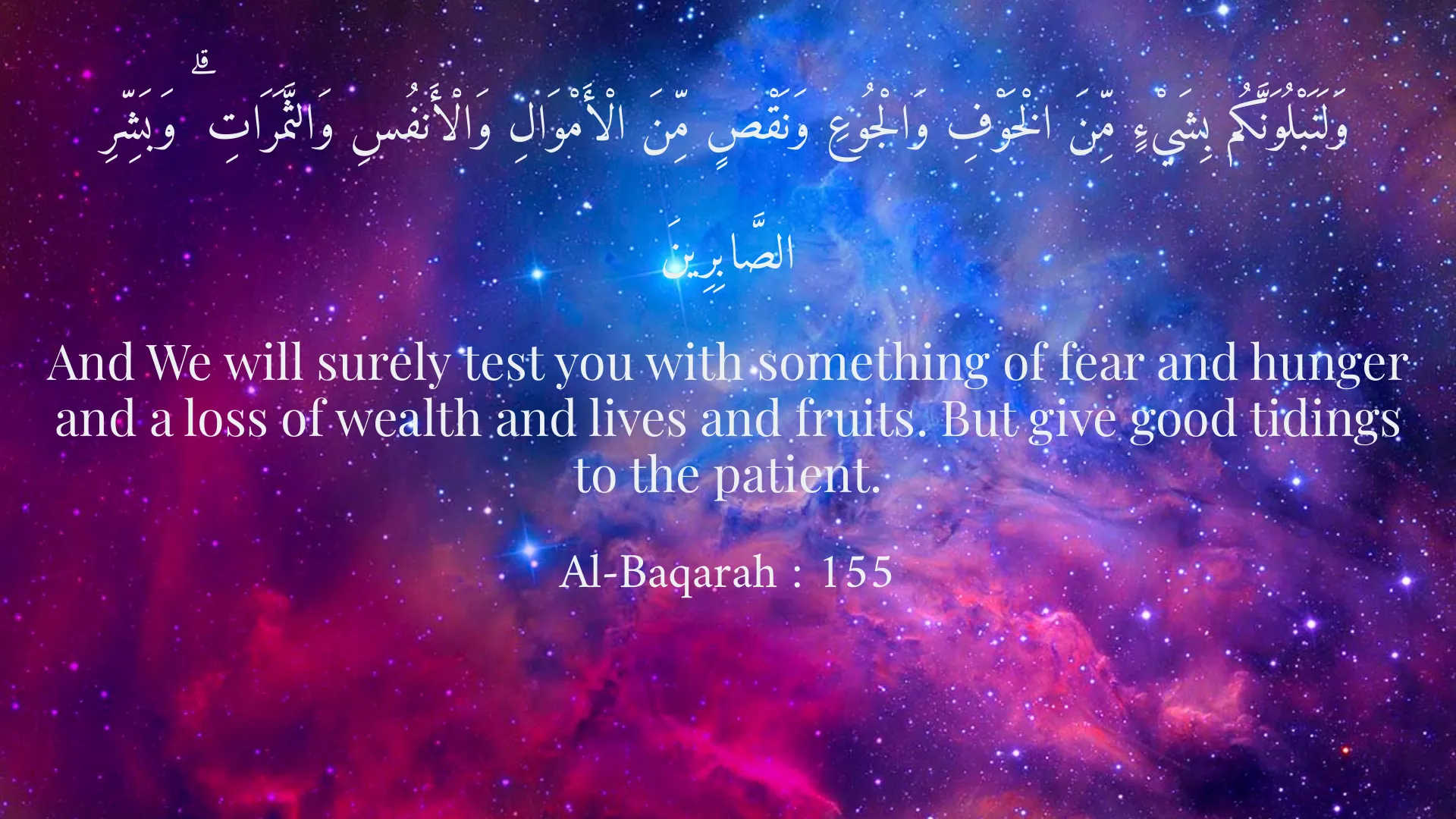
Dealing with the injustices of life is a significant challenge for humans. We often find ourselves amidst a whirlwind of unfair circumstances, from personal losses to societal discrimination. This reality is not just an experience unique to our modern age; the struggle against life's injustices has been a perennial theme throughout human history. In the intricate texts of the Holy Quran, particularly in Surah Al-Baqarah and Surah Al-Imran, believers are reminded of the importance of patience and endurance when faced with trials and tribulations. Such teachings resonate deeply, providing not only comfort but also a roadmap to navigate life's storms. In Surah Al-Baqarah, verse 155, the Quran states: 'And We will surely test you with something of fear and hunger and a loss of wealth and lives and fruits, but give good tidings to the patient.' This verse encapsulates the essence of life; it acknowledges that challenges and injustices are an integral part of our human existence. By framing these adversities as tests, we can fundamentally shift our perspective and approach to them. Rather than succumbing to despair or bitterness, we are invited to view each obstacle as a chance for growth and self-improvement. Every injustice, every hardship we endure, serves not just as a burden to be carried but as an opportunity to strengthen our resilience. It's a call to cultivate our inner strength and develop a robust character. The Quranic view presents pain and adversity in a positive light — not as mere suffering but as invaluable lessons that shape our identity and beliefs. Furthermore, verse 186 from Surah Al-Imran emphasizes the social aspect of dealing with injustices. It says, 'You will surely hear from those who were given the Scripture before you and from those who associate others with Allah much abuse. But if you are patient and fear Allah - indeed, that is of the matters [requiring] determination.' This verse highlights a dual aspect of the challenge: not only do we face personal trials, but we also encounter the harsh words and actions of others. Understanding that our reactions to such external injustices can define our character is crucial. Our ability to practice patience and maintain our fear of God amplifies our spiritual fortitude — a key component in overcoming not just personal grief but communal and societal injustices as well. Adopting this Quranic mindset reshapes how we cope with injustices in everyday life. It cultivates a sense of community, reminding us that we are not alone in our struggles. The shared experience of enduring hardships creates bonds among individuals, fostering empathy and a deeper understanding of collective challenges. In facing abuses or unkindness from those around us, this verse encourages a proactive response — not through retaliatory actions but through restraint, prayer, and a steadfast commitment to our principles. Moreover, the act of prayer and establishing a sacred connection with God plays a pivotal role in helping us manage the challenges we face. It is essential to recognize that, while we seek relief from our burdens, we also have a responsibility to cultivate patience and fortitude. The Quran encourages a dual approach: we should not only pray earnestly for assistance but also reflect deeply on our circumstances. The perspective that life's difficulties are temporary can foster resilience in our hearts. In emphasizing this, believers are reminded of the importance of persistence and the faith that ultimately, these challenges can be overcome. Surah Al-Mu’minun, verse 111 further enriches our understanding with God's proclamation, 'And most of the people do not know.' This line serves as a poignant reminder that many individuals are unable to perceive the underlying truth of their situations. The divine wisdom embedded in our trials may be obscured by our immediate frustrations and sorrows. Recognizing this reality calls for a greater reliance on faith and trust in God’s plan. The acknowledgment that divine wisdom often transcends our limited human understanding encourages us to seek purpose even in aggravating circumstances. Being patient in times of injustice not only serves our spiritual growth but also has a ripple effect on those around us. When we respond with resilience and grace rather than anger or despair, we inspire others to do the same. This transformative power of patience is vital in creating a more empathetic society. It encourages individuals to challenge the injustices they witness, fostering a culture of accountability and compassion. In conclusion, the teachings of the Holy Quran regarding patience and endurance are profoundly significant in addressing the injustices of life. Surah Al-Baqarah and Surah Al-Imran offer insightful guidance for believers, urging us to transform our perspectives on adversity, embrace our experiences of trial as pathways for growth, and rely on prayer as a source of strength. As we face the often harsh realities of life’s injustices, the teachings of patience, resilience, and divine wisdom remind us of our capacity to rise above challenges. Rather than expecting life to be free from trials, we can embrace them as opportunities for personal and spiritual development. In the end, every injustice is not just a fate but a chance to connect more deeply with our faith and purpose.
Related Verses
وَلَنَبْلُوَنَّكُم بِشَيْءٍ مِّنَ الْخَوْفِ وَالْجُوعِ وَنَقْصٍ مِّنَ الْأَمْوَالِ وَالْأَنفُسِ وَالثَّمَرَاتِ ۗ وَبَشِّرِ الصَّابِرِينَ
And We will surely test you with something of fear and hunger and a loss of wealth and lives and fruits. But give good tidings to the patient.
Al-Baqarah : 155
لَتَسْمَعُنَّ مِنَ الَّذِينَ أُوتُوا الكِتَابَ مِن قَبْلِكُمْ وَمِنَ الَّذِينَ أَشْرَكُوا أَذًى كَثِيرًا ۖ وَإِن تَصْبِرُوا وَتَتَّقُوا فَإِنَّ ذَٰلِكَ مِنْ عَزْمِ الْأُمُورِ
You will surely hear from those who were given the Scripture before you and from those who associate others with Allah much abuse. But if you are patient and fear Allah - indeed, that is of the matters [requiring] determination.
Al-Imran : 186
إِنني جزيتهم اليوم بما صبروا أنهم هم الفائزون
Indeed, I have rewarded them today for their patient endurance, and they are indeed the victorious.
Al-Mu'minun : 111
Short Story
One day, a man named Reza faced challenges in his life. He felt like everything was against him and struggled daily with injustices. One day, a mentor told him, 'Do you know that all of this is a test?' This statement had a profound effect on Reza. He began to pray and sought ways to learn from his difficulties. After a while, he realized that every injustice and challenge he faced had made him stronger and aided in his growth.