Quranic Answer
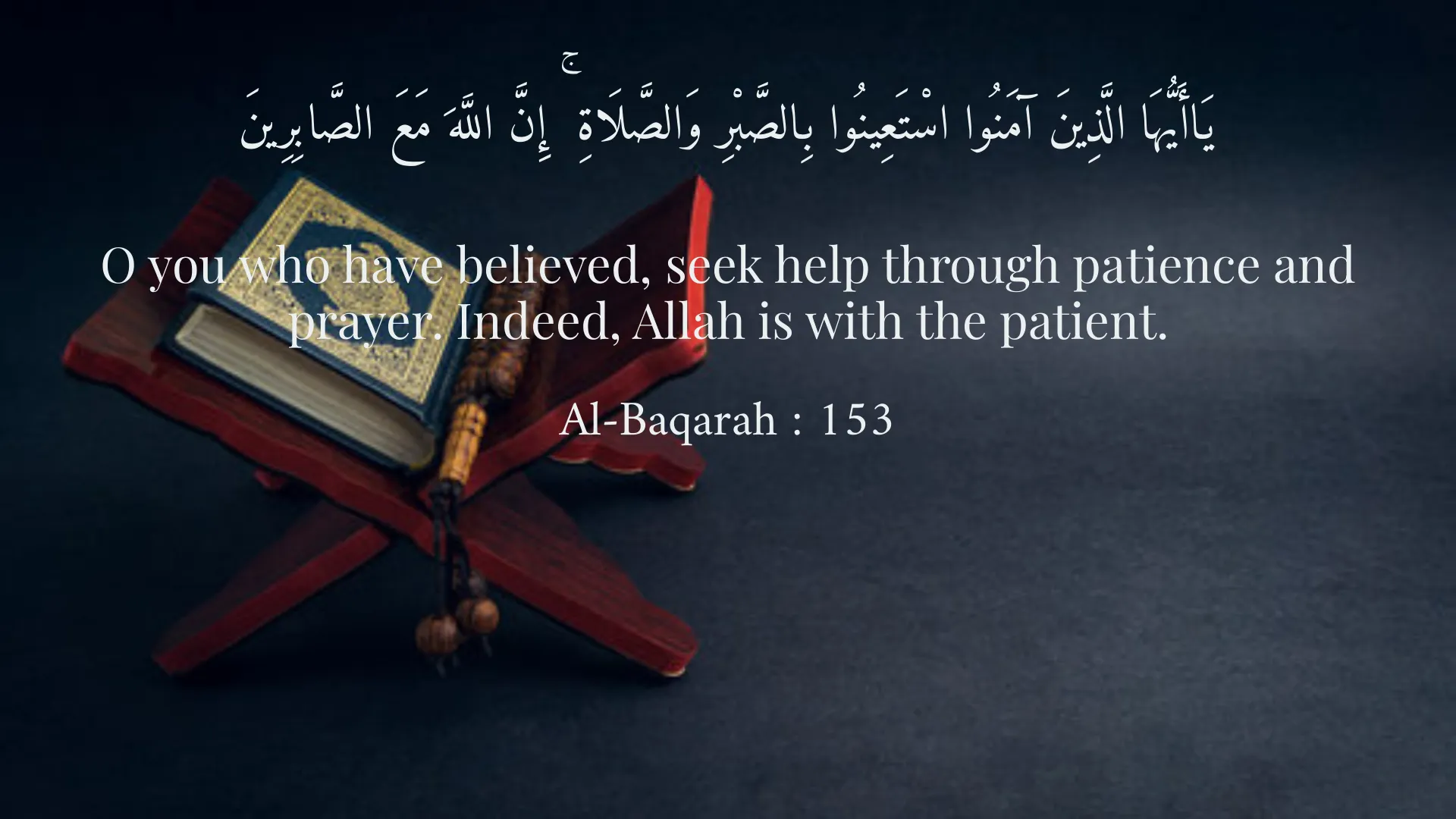
Patience is one of the most vital human characteristics highlighted throughout religious texts and philosophies worldwide. In particular, the Quran emphasizes patience as a critical virtue for believers. This article seeks to explore the concept of patience as presented in the Quran, its significance in everyday life, and how individuals can cultivate this essential trait to better confront the challenges that life often presents. The Quran, a central religious text of Islam, places a high value on patience. In Surah Al-Baqarah, verse 153, Allah instructs believers to seek help through patience and prayer. The verse reads: "O you who have believed, seek help through patience and prayer. Indeed, Allah is with the patient." This instruction serves as a reminder that patience is not merely a passive expression of endurance but is a proactive approach to dealing with life's tribulations. It emphasizes that those who seek assistance through endurance and prayer can find solace, strength, and resilience. Moreover, patience is often portrayed as a divine blessing, one that empowers individuals to confront life’s inevitable challenges and hardships. Understanding and recognizing the nature of patience is the first step towards cultivating it in our hearts. It is crucial to accept that problems and adversities are inherent parts of life. This acknowledgment prepares a person mentally and emotionally to face the obstacles that arise, allowing them to navigate through tough times with a sense of tranquility and resolve. In Surah Al-Imran, verse 200, the Quran further emphasizes the need for patience by stating, "O you who have believed, be persistently standing firm.” This verse reinforces the importance of steadfastness in the face of difficulty. The call to remain resilient serves as a guideline for believers, encouraging them to hold fast to their faith and principles despite the challenges they may encounter. The cultivation of patience often involves a deepening of one's faith in God. When believers trust that Allah desires what is best for them, they are more likely to develop and exhibit greater patience in the face of adversity. In addition, prayer plays an integral role in strengthening patience. Engaging in regular prayer is not only a means of spiritual connection but also acts as a source of comfort during turbulent times. It provides individuals with the opportunity to express their struggles and seek divine aid in navigating their challenges. Reflecting on the narratives contained within the Quran can also provide inspiration for practicing patience. Throughout the Quran, there are numerous accounts of previous generations and individuals who faced incredible hardships yet remained unwavering in their faith and patience. For example, the stories of prophets like Job (Ayyub) illustrate profound patience through suffering. Job, known for his steadfastness, lost his health, wealth, and family, yet he remained committed to his faith and trust in God. These historical accounts serve as powerful reminders, encouraging believers to emulate such steadfastness in their lives. In Surah Ta-Ha, verse 130, Allah advises, "So be patient with what they say..." This encourages individuals to maintain a sense of composure and patience, reminding them to handle criticisms and difficult conversations gracefully and proactively. This verse reiterates that patience should be a continuous practice, not just a temporary state of mind. Such reflections highlight the necessity of enduring patience, urging believers to remain unyielding amidst negativity or hardship. Cultivating patience involves a multifaceted approach. First, it's essential to engage in mindfulness and self-awareness, allowing individuals to understand their emotional responses to stress and adversity. Recognizing one’s impatience is the first step to improvement. Individuals must create space for reflection, considering how their reactions influence their life experiences. Moreover, adopting a positive mindset is crucial in nurturing patience. Reframing challenges as opportunities for personal growth can shift one’s perspective. By viewing difficulties as lessons rather than burdens, individuals can foster a healthier approach to adversity. This growth mindset can enhance resilience, enabling one to endure hardships with a spirit of hope rather than frustration. Additionally, surrounding oneself with supportive community members or groups can immensely impact one’s ability to remain patient. Engaging with others who exemplify patience fosters an environment conducive to emotional growth, making one more likely to adopt similar traits. Likewise, discussing challenges and seeking guidance from peers can provide relief and wisdom, reminding us that we are not alone in our struggles. Finally, maintaining gratitude for the blessings and lessons learned during difficult times can significantly enhance a person's capacity for patience. One can keep a gratitude journal, noting daily or weekly reflections on positive experiences, which fosters an attitude of appreciation. This practice can shift focus away from the immediate pain of hardship towards a broader understanding of life’s blessings. In conclusion, patience is an essential attribute highlighted not just in the Quran but in many moral and philosophical teachings around the world. It is a divine blessing that equips individuals to confront challenges with fortitude and resolve. By recognizing the nature of problems as an integral component of life, engaging in regular prayer, and studying the stories of those who faced hardships with patience, individuals can cultivate a deeper sense of resilience. Moreover, practices such as mindfulness, positive reframing of challenges, communal support, and gratitude can further enhance one’s patience. Ultimately, embodying patience contributes not only to personal growth and peace but also strengthens one’s relationship with God and the world around them.
Related Verses
يَاأَيُّهَا الَّذِينَ آمَنُوا اسْتَعِينُوا بِالصَّبْرِ وَالصَّلَاةِ ۚ إِنَّ اللَّهَ مَعَ الصَّابِرِينَ
O you who have believed, seek help through patience and prayer. Indeed, Allah is with the patient.
Al-Baqarah : 153
يَا أَيُّهَا الَّذِينَ آمَنُوا اصْبِرُوا وَصَابِرُوا وَرَابِطُوا وَاتَّقُوا اللَّهَ لَعَلَّكُمْ تُفْلِحُونَ
O you who have believed, persevere and endure and remain stationed and fear Allah that you may be successful.
Al-Imran : 200
فَصْبِرْ عَلَى مَا يَقُولُونَ وَاذْكُرْ عَبْدَنَا دَاوُدَ إِذْ نَادَى رَبَّهُ فَأَجَابَهُ
So be patient over what they say and remember Our servant David, when He called to his Lord, and He answered him.
Ta-Ha : 130
Short Story
One day, a man was sitting in an alley looking up at the sky. He felt depressed and hopeless about the problems he faced in his life. Suddenly, an old man approached him and said: 'Be patient, young man! Times are not always favorable.' The young man replied thoughtfully: 'How can I hope for comfort?' The old man smiled and said: 'Patience is the key to relief. Learn to stay resilient in the face of pain and difficulties, so you can rise above them.' Inspired by these words, the young man decided to cultivate patience in his heart and view life's challenges as opportunities for growth.