Quranic Answer
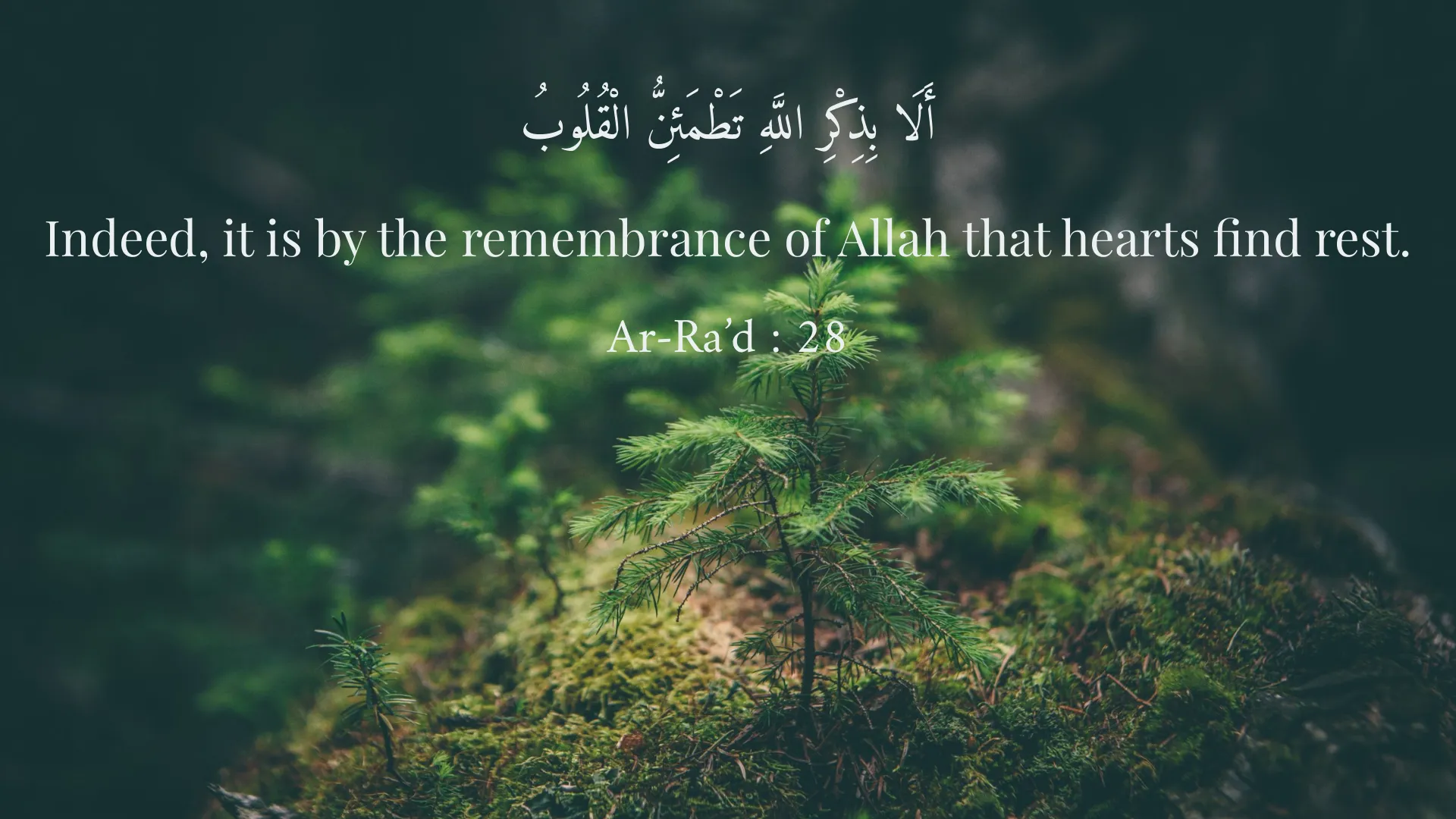
The concept of loneliness and feelings of isolation is a profoundly human experience that has been addressed throughout history in various forms, including religious texts. In the Holy Quran, this feeling is acknowledged and solutions are proposed for those grappling with these sentiments. The Quran serves not only as a spiritual guide but also as a source of comfort for believers facing moments of solitude and distress. By examining various verses from the Quran, we can better understand how to cope with feelings of loneliness through remembrance of Allah, and the assurance offered by divine presence. In times of loneliness, many individuals may experience a profound sense of disconnection from the world around them. This feeling can lead to sadness, anxiety, and despair, prompting one to search for solace and understanding. It is essential to recognize that this experience is not unique to any individual; rather, it is a universal condition that has been explored by countless religious scholars and spiritual thinkers. The Holy Quran, as the ultimate guide for Muslims, addresses this sentiment head-on, offering reassurance and practical means to find peace and connectedness. One of the most poignant verses in the Quran regarding loneliness is found in Surah Ar-Ra’d (13:28), where Allah states, 'Indeed, it is by the remembrance of Allah that hearts find rest.' This verse encapsulates the profound relationship between remembering Allah and achieving inner tranquility. In moments of isolation, turning one’s heart towards Allah can usher in a sense of calm amidst chaos. The act of remembrance, or dhikr, serves as a reminder that we are never truly alone; rather, we are encompassed by divine love and mercy. The repetition of Allah’s names and attributes helps to soothe a troubled heart and assuage feelings of isolation. Furthermore, in Surah Taha (20:46), rest assured in the words Allah spoke to Moses during a moment of vulnerability: 'Do not fear; I am with you.' This is a significant reassurance, not only for Moses but for all believers. It emphasizes the notion that even in our most solitary moments, we are accompanied by Allah's presence. The essence of faith is to remind ourselves that divine guidance and support are always available, even when we might feel abandoned by the world. This assurance brings comfort to the believers, encouraging them to face challenges and hurdles with courage and composure, knowing they are never alone. The Quran explains that although human emotions are complex, there is always a pathway to seek support. Surah Al-An’am (6:125) adds another layer to this understanding: 'And whoever Allah intends to guide, He expands his breast to [contain] Islam.' This verse suggests that a sincere desire to connect with Allah opens the doors of guidance, leading individuals out of loneliness and into a community of faith. This connection and subsequent belonging diminish feelings of isolation. When one feels abandoned or hopeless, turning to Allah with sincere intentions can alter the course of one’s life, allowing for a deeper understanding of one's purpose and a strong connection to the divine. The importance of seeking Allah’s help during times of loneliness is paramount. Making supplications (du’as) is a powerful way to communicate with Allah. This act of beseeching not only allows individuals to express their feelings of despair and longing for companionship, but it also reinforces the belief that Allah is ever-listening and responsive. When we turn to Him with our concerns, we foster a relationship with the Creator, enabling us to transcend moments of isolation and feel enveloped in divine care. Moreover, it is essential to recognize that loneliness can sometimes be accompanied by psychological consequences. Mental health issues such as depression or anxiety may arise due to feelings of isolation, necessitating attention and care. The Quran advocates for the well-being of individuals, urging them to seek help—not only through prayer and remembrance of Allah, but also through community and professional avenues. It emphasizes the significance of social support systems and the importance of staying connected with family and friends, even in crises. For example, engaging in communal prayers, participating in social gatherings, or volunteering in charitable causes can bring individuals out of their isolation. In essence, the Quran encourages believers to strengthen their bonds with others, cultivating a sense of fellowship and understanding that can mitigate feelings of loneliness. By living out the tenets of compassion, empathy, and solidarity, Muslims can build supportive networks that reinforce their connection to both their faith and their community. The feelings of loneliness can be incredibly overwhelming, but they also offer an opportunity for reflection and spiritual growth. The Holy Quran continually provides insights and guidance that not only intend to alleviate suffering but to also foster a deeper sense of understanding and commitment to one’s faith. Surrendering to Allah’s wisdom during these times helps to instill patience and reliance on divine plans. One may begin to realize that life’s trials are not a punishment, but rather a pathway to personal development and a closer relationship with Allah. Ultimately, the Quran reassures us that loneliness is part of the human experience and encourages leaning on faith as a source of strength. The exploration of individual verses reveals a nuanced understanding of spiritual comfort, encouraging believers to engage with Allah through remembrance, supplication, and community. As we reflect on the teachings of the Quran, let us strive to cultivate an intimate relationship with Allah—not only to seek solace for ourselves in moments of loneliness but also to extend that compassion towards others who may be navigating similar paths of isolation. By fostering an environment of support, kindness, and spiritual awareness, we can transform the concept of loneliness into an opportunity for connection with both Allah and those around us.
Related Verses
أَلَا بِذِكْرِ اللَّهِ تَطْمَئِنُّ الْقُلُوبُ
Indeed, it is by the remembrance of Allah that hearts find rest.
Ar-Ra’d : 28
قَالَ لَا تَخَفْ إِنَّنِي مَعَكَ
He said, 'Do not fear; I am with you.'
Taha : 46
وَمَن يُرِدْ أَنْ يَهْدِيَهُ اللَّهُ يَشْرَحْ صَدْرَهُ لِلْإِسْلَامِ
And whoever Allah intends to guide, He expands his breast to [contain] Islam.
Al-An’am : 125
Short Story
One day, three friends felt overwhelmed for various reasons and started to feel lonely. One of them remembered his duty to Allah and decided to get closer to Him through prayer and supplication. His other friends supported him, finding solace in the teachings of the Quran. Together, they decided to dedicate more time to remembering Allah and serving others. This experience reminded them that even in the toughest moments of life, Allah is always with them.