Quranic Answer
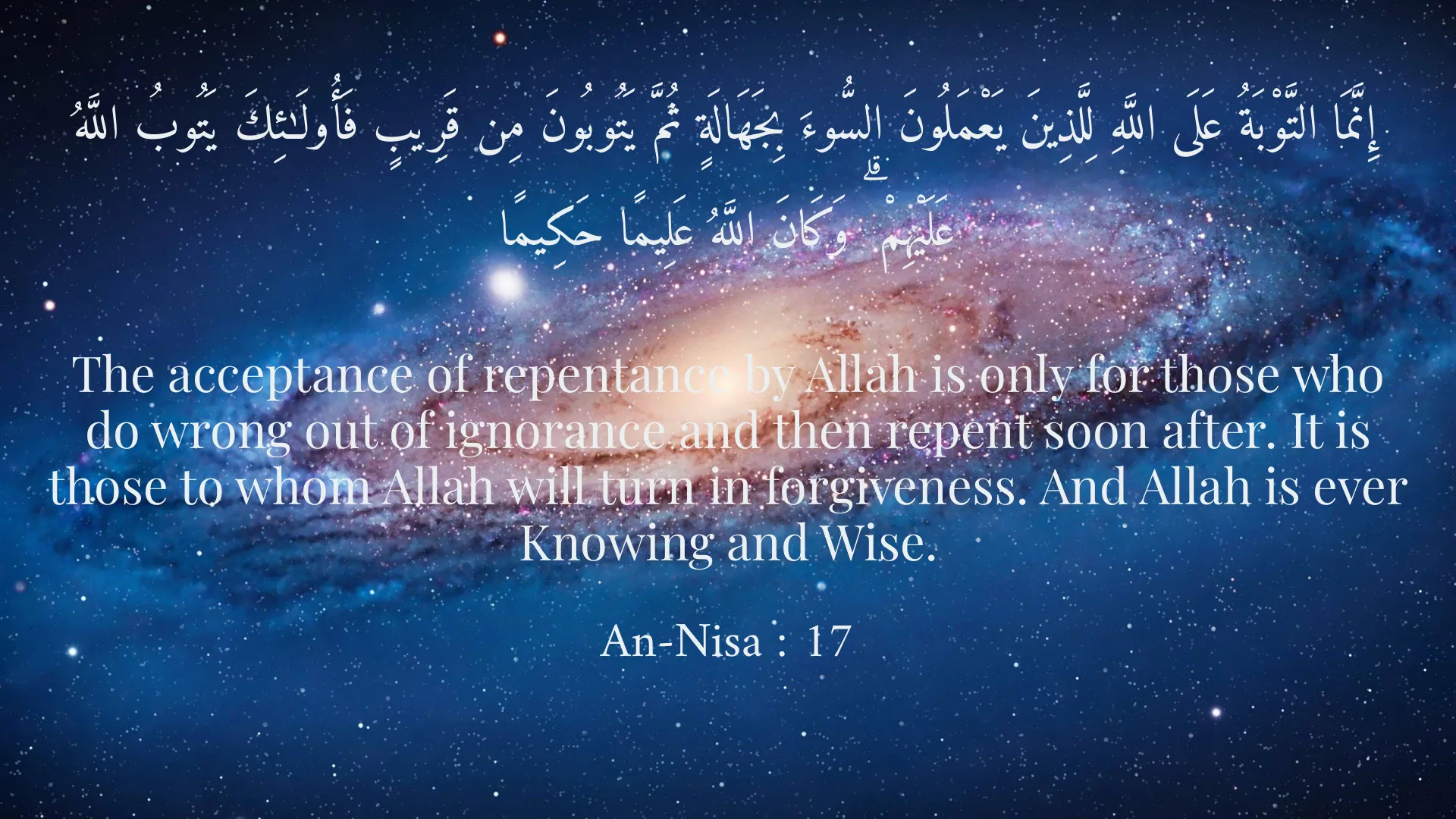
Regret is a profound and sometimes overwhelming emotion that can trap the human spirit and mind in an unchangeable past. This feeling can stem from lost opportunities, past mistakes, or decisions that seemed best at the time but led to undesirable outcomes. From a Quranic perspective, liberation from regret does not mean ignoring the past, but rather accepting divine wisdom, learning from experiences, and moving forward with faith and hope. The Holy Quran offers numerous remedies for soothing the heart and cleansing it from the dust of regret, which we will discuss in detail. One of the most important and fundamental ways to be freed from regret is the concept of "Tawbah" (repentance). In Islam, Tawbah is not merely feeling remorse for a sin; it is a sincere return to God, seeking forgiveness, and a firm resolve not to repeat the mistake. When a person repents for past actions that caused regret, they are essentially lifting a heavy burden from their shoulders. Allah, in the Holy Quran, repeatedly emphasizes His mercy and forgiveness. In Surah An-Nisa, verse 17, He states: "Indeed, the acceptance of repentance by Allah is only for those who do wrong out of ignorance and then repent soon after. It is those to whom Allah will turn in forgiveness. And Allah is ever Knowing and Wise." This verse indicates that the door of repentance is always open, and Allah is ready to accept His repentant servants. True repentance not only forgives sins but also brings spiritual peace to the individual, transforming regret over the past into hope and an opportunity for rectification. Regret can keep a person trapped in an unproductive cycle of remorse, but Tawbah transforms remorse into a driving force for correction and progress. Through Tawbah, one feels light, knowing that Allah is forgiving and has granted them an opportunity to make amends. Another essential remedy is "Tawakkul" (reliance on Allah) and accepting "Qada and Qadar" (Divine Decree). Many regrets stem from the thought, "If only I had done this" or "If that hadn't happened." The Holy Quran teaches believers that everything that occurs in the world is by the permission and will of Allah. In Surah Al-Hadid, verses 22-23, it states: "No disaster strikes upon the earth or among yourselves except that it is in a register before We create it – indeed that, for Allah, is easy – in order that you not grieve over what has eluded you and not exult over what He has given you. And Allah does not like every self-deluded and boastful." These verses explicitly state that the purpose of this knowledge is so that one does not grieve over what has been missed. When a person genuinely believes that every event, even if painful, is part of a greater divine plan and holds a wisdom and good that their understanding may fall short of, then regret gives way to submission and tranquility. Tawakkul does not mean passive surrender but means doing one's utmost and then trusting in Allah's wisdom for the outcomes. This belief that Allah desires the best for His servants, even if it appears bitter, liberates the heart from regret and replaces it with contentment and satisfaction with divine destiny. A third important remedy is "Sabr" (patience) and "Shukr" (gratitude). Patience is not merely enduring hardships, but also adhering to the right path even in difficult circumstances and not rushing to see results. In the face of regret, patience helps a person to enjoy the present moment and peacefully come to terms with their past. The Quran refers to the importance of patience in numerous verses. Alongside patience, gratitude also plays a crucial role. When a person focuses on the blessings they currently possess and is grateful for them, instead of dwelling on what has been lost or what could have been better, their heart is emptied of regret and filled with contentment and peace. Focusing on what one has, rather than what one lacks, shifts one's perspective from negativity to positivity, leaving no room for regret. A fourth remedy is "Dhikr" (remembrance of Allah). The human heart finds tranquility through the remembrance of Allah. In Surah Ar-Ra'd, verse 28, we read: "Those who have believed and whose hearts are assured by the remembrance of Allah. Unquestionably, by the remembrance of Allah hearts are assured." Regret brings agitation and anxiety. But when a person fills their heart with the remembrance of Allah, there is no room left for the whispers of Satan and past sorrows. Dhikr, prayer (Salah), recitation of the Quran, and supplication (Du'a) are all ways to fill the heart with divine peace and expel regret. These acts of worship help a person establish a deeper connection with their Creator, thereby understanding the true meaning of life and knowing that the purpose of creation transcends worldly ups and downs. Fifth, focusing on "Amal Salih" (righteous deeds) and building a better future. Instead of stagnating in the past and drowning in regret, Islam advises individuals to learn from the past and dedicate their energy to building a better future, both in this world and the Hereafter. Performing good deeds, helping others, acquiring knowledge, and striving for progress in the path of Allah can all revive a sense of purpose and meaning within an individual. When one is actively engaged in beneficial work, there is no opportunity left for regret. This approach transforms remorse into a motivation for improvement and allows one to take positive steps with hope in Allah's grace. This forward momentum not only eliminates regret but also fills the heart with the light of hope and satisfaction. Ultimately, freeing oneself from regret is a process that requires effort and perseverance. This process begins with accepting the truth that the past cannot be changed, but one can learn from it. By relying on Allah, sincere repentance, patience, and gratitude, and actively engaging in good deeds, one can free their heart from the chains of regret and move towards true peace and contentment. The Quran teaches us that life is an opportunity for growth and development, not for dwelling in past sorrow and grief.
Related Verses
إِنَّمَا التَّوْبَةُ عَلَى اللَّهِ لِلَّذِينَ يَعْمَلُونَ السُّوءَ بِجَهَالَةٍ ثُمَّ يَتُوبُونَ مِن قَرِيبٍ فَأُولَٰئِكَ يَتُوبُ اللَّهُ عَلَيْهِمْ ۗ وَكَانَ اللَّهُ عَلِيمًا حَكِيمًا
The acceptance of repentance by Allah is only for those who do wrong out of ignorance and then repent soon after. It is those to whom Allah will turn in forgiveness. And Allah is ever Knowing and Wise.
An-Nisa : 17
الَّذِينَ آمَنُوا وَتَطْمَئِنُّ قُلُوبُهُم بِذِكْرِ اللَّهِ ۗ أَلَا بِذِكْرِ اللَّهِ تَطْمَئِنُّ الْقُلُوبُ
Those who have believed and whose hearts are assured by the remembrance of Allah. Unquestionably, by the remembrance of Allah hearts are assured.
Ar-Ra'd : 28
مَا أَصَابَ مِن مُّصِيبَةٍ فِي الْأَرْضِ وَلَا فِي أَنفُسِكُمْ إِلَّا فِي كِتَابٍ مِّن قَبْلِ أَن نَّبْرَأَهَا ۚ إِنَّ ذَٰلِكَ عَلَى اللَّهِ يَسِيرٌ
No disaster strikes upon the earth or among yourselves except that it is in a register before We create it – indeed that, for Allah, is easy –
Al-Hadid : 22
لِّكَيْلَا تَأْسَوْا عَلَىٰ مَا فَاتَكُمْ وَلَا تَفْرَحُوا بِمَا آتَاكُمْ ۗ وَاللَّهُ لَا يُحِبُّ كُلَّ مُخْتَالٍ فَخُورٍ
in order that you not grieve over what has eluded you and not exult over what He has given you. And Allah does not like every self-deluded and boastful.
Al-Hadid : 23
Short Story
It is narrated that a pious man lost all his possessions in a sea journey when his ship sank. His friends, out of sympathy, came to him and said: "O virtuous man, alas, all your wealth and efforts are gone, and now a great regret has settled in your heart." The pious man smiled and said: "Regret?! No, never! What God took, He had Himself given. From today, I am more grateful than ever for what I have: a healthy body, faith in my heart, and the opportunity to serve others. Are these not treasures themselves? Regret is a burden one places on oneself, while one can light-heartedly step towards divine grace." And with a peaceful heart, he continued his life, making the best of what remained, and his heart was emptied of all regret, for he believed in the wisdom of the Lord.