Quranic Answer
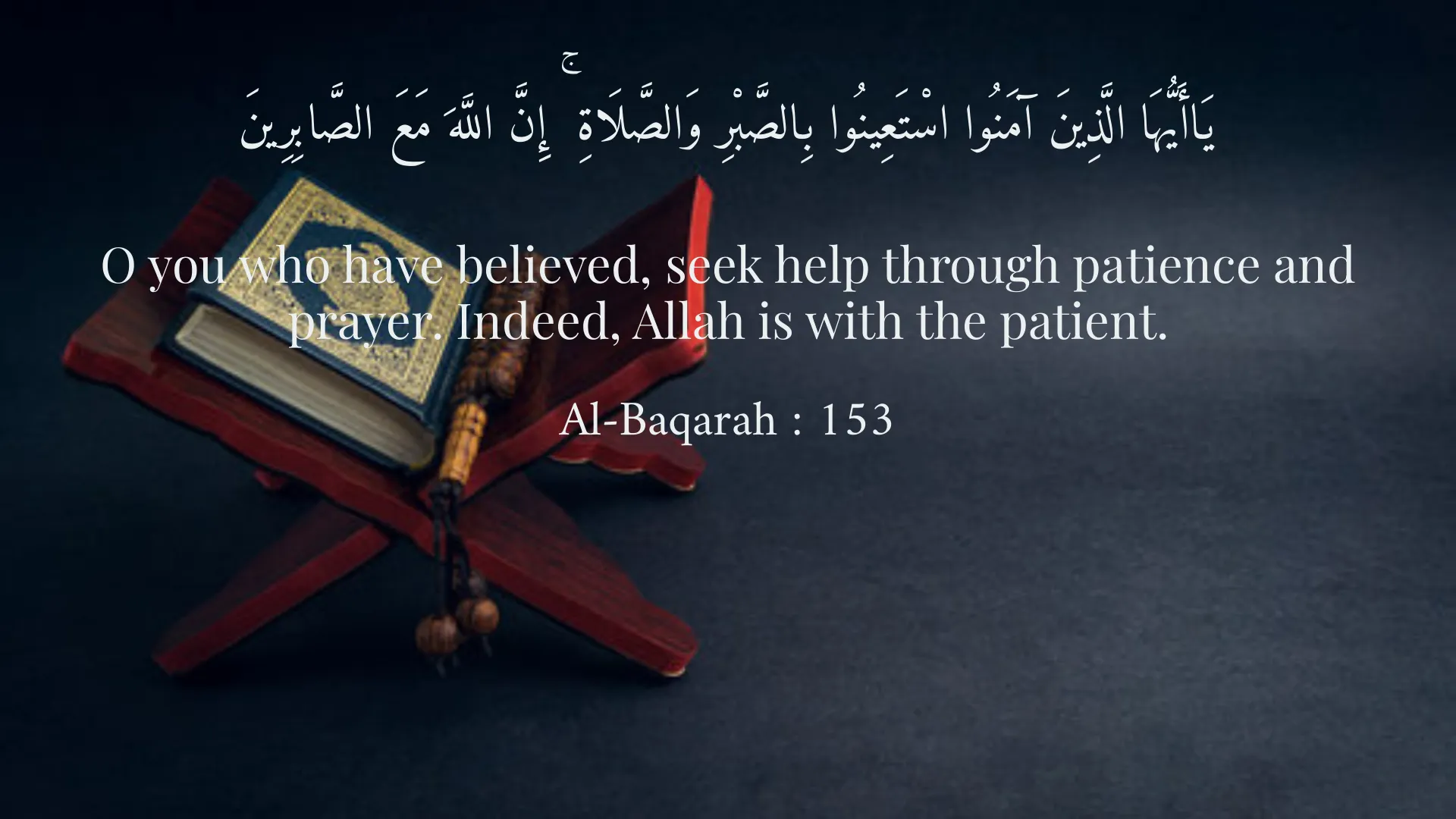
Impatience is a behavioral trait that manifests in many aspects of our daily lives, ranging from minor irritations during daily routines to more significant challenges that test our emotional resilience. Understanding the nature of impatience is crucial for personal development, mental well-being, and spiritual fulfillment. One significant source of guidance on this matter is the Holy Quran, which offers profound insights into the importance of patience and perseverance in the face of adversity. The Quran addresses impatience directly, urging believers to cultivate the virtue of patience, especially during times of trial and tribulation. In Surah Al-Baqarah (2:153), Allah commands, "O you who have believed, seek help through patience and prayer. Indeed, Allah is with the patient." This verse serves as a beacon for those grappling with feelings of despair or anxiety. Instead of succumbing to impatience, we are encouraged to seek solace and support through prayer and an unwavering commitment to patience. The essence of this teaching lies in recognizing that life is replete with challenges and difficulties. Whether it's personal struggles, professional setbacks, or loss, impatience often leads to hasty decisions or negative emotional reactions that can exacerbate our situations. In contrast, the guidance provided in the Quran encourages believers to pause, reflect, and respond with calmness rather than impulsivity. Moreover, the message continues in Surah Al-Imran (3:200), where Allah reminds the believers: "O you who have believed, persevere and endure, and remain stationed and fear Allah that you may be successful." This verse highlights the interconnected nature of patience, endurance, and success. It suggests that perseverance in the face of adversity is a pathway to achieving our goals and aspirations. Here, the Quran reiterates that patience is not a passive acceptance of fate but an active engagement in our spiritual journey. The concept of patience is further elaborated in Surah Al-Jinn (72:30), where steadfastness is presented as an essential characteristic in dealing with life's ups and downs. Almost poetically, this idea reflects the resilience needed to navigate the complexities of human experience. Patience fosters an inner fortitude that enables individuals to tackle challenges with grace and resolve. Cultivating patience may require a shift in perspective. Instead of viewing obstacles as hindrances, they can be reassessed as opportunities for growth and learning. This requires a conscious effort to nurture our inner selves through prayer, meditation, and remembrance of Allah. Engaging in these practices can reinforce our spiritual connection and equip us with the tools necessary to cope with impatience. Additionally, the practice of mindfulness can greatly contribute to managing impatience. Mindfulness encourages individuals to remain present and fully engaged in the moment, reducing the desire to rush through experiences. By fostering a sense of awareness and acceptance, individuals can learn to embrace the here and now, which can play a crucial role in minimizing feelings of frustration and impatience. When we practice being present in our daily lives, we begin to see situations from a different light, promoting a sense of serenity and inner peace. Furthermore, it is essential to surround ourselves with supportive communities that promote patience and understanding. By engaging with like-minded individuals, we can create a network of encouragement that reinforces the values of patience and resilience. Such communal support can alleviate feelings of impatience in times of need and serve as a reminder of our shared struggles and triumphs. The impact of impatience and the benefits of practicing patience extend beyond personal growth. It can enhance relationships, professional interactions, and overall societal wellness. For instance, when we approach conflicts with patience, we are more likely to listen to different viewpoints, leading to more constructive outcomes. In a world that often glorifies quick results and immediate gratification, the Quran’s emphasis on patience serves as a reminder of the deeper, more lasting rewards that come from a more tempered approach to challenges. Ultimately, it is essential to understand that patience is not merely about waiting but maintaining a positive attitude while waiting. In Islam, patience is regarded as a form of worship and as a character trait that draws the believer closer to Allah. The Quran emphasizes, "Indeed, Allah is with the patient," which affirms that divine support and guidance are promised to those who embody this trait. In conclusion, combating impatience involves integrating patience into our spiritual practice and daily lives. The teachings of the Quran encourage believers to seek refuge in patience and prayer, reminding us that Allah is always present in our struggles. By nurturing our spirit through regular worship and embracing the principles outlined in the Quran, we can cultivate a deeper sense of patience. This dedication to patience not only enhances our personal well-being but also enriches our relationships and contributes positively to society at large. In times of trial, let us remember that patience ultimately bears fruit, guiding us toward serenity and fulfillment.
Related Verses
يَاأَيُّهَا الَّذِينَ آمَنُوا اسْتَعِينُوا بِالصَّبْرِ وَالصَّلَاةِ ۚ إِنَّ اللَّهَ مَعَ الصَّابِرِينَ
O you who have believed, seek help through patience and prayer. Indeed, Allah is with the patient.
Al-Baqarah : 153
يَا أَيُّهَا الَّذِينَ آمَنُوا اصْبِرُوا وَصَابِرُوا وَرَابِطُوا وَاتَّقُوا اللَّهَ لَعَلَّكُمْ تُفْلِحُونَ
O you who have believed, persevere and endure, and remain stationed and fear Allah that you may be successful.
Al-Imran : 200
وَأَنَّا مِنَّا الْمُسْتَقِيمُونَ
And we are among the steadfast.
Al-Jinn : 30
Short Story
One day, a young man named Sohrab took pride in his willpower and patience. He would always remember Allah during challenging times and remained steadfast. One day, he faced a massive problem and felt despair. However, he recalled the verses of the Quran and decided to calm himself through prayer. Over time, Sohrab realized that his patience and faith led him to peace and success.