Quranic Answer
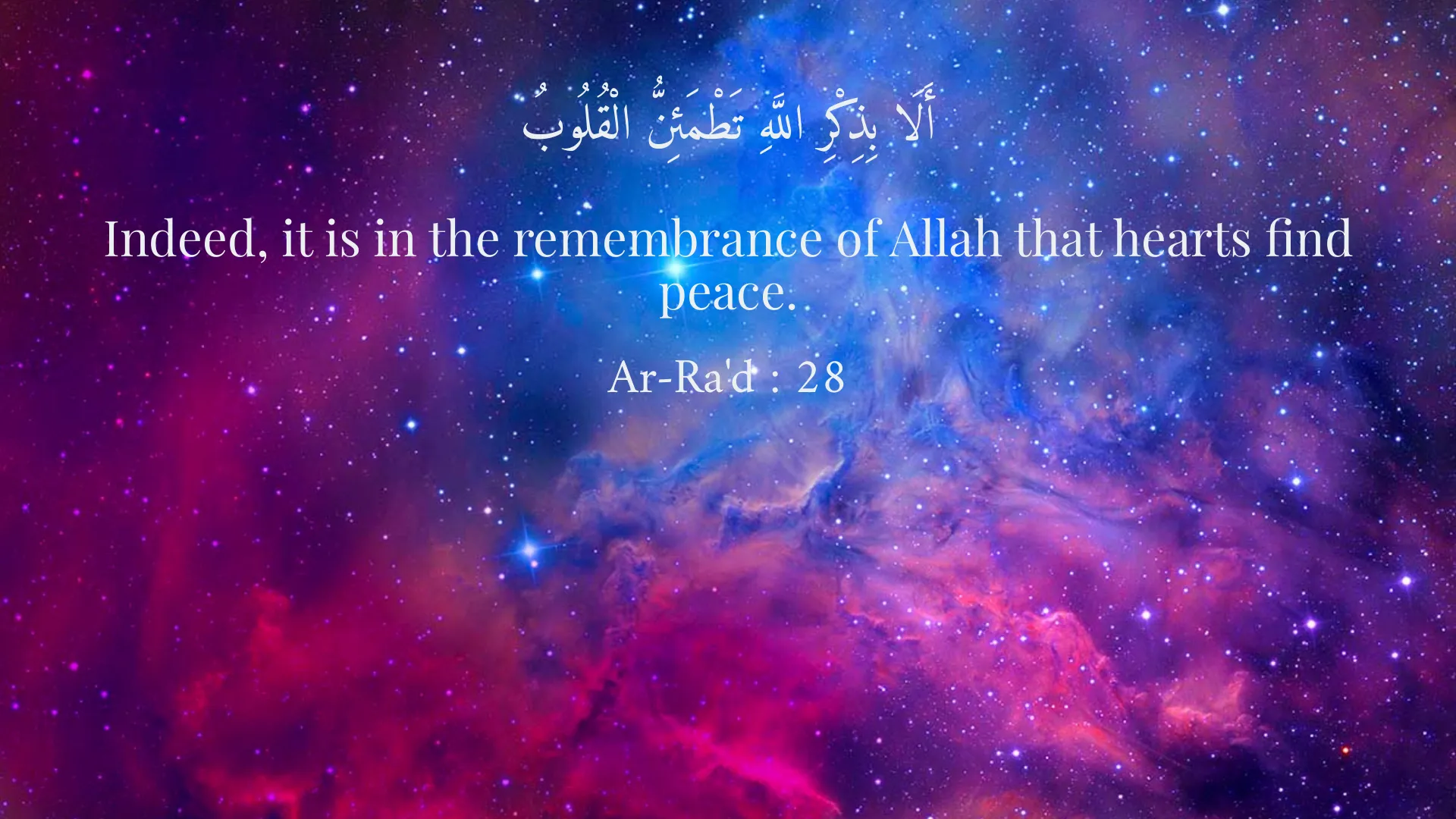
Anxiety is a common ailment that affects individuals in various aspects of their lives. In a fast-paced world filled with uncertainties, many people find it increasingly challenging to cope with stress and anxiety. However, spiritual texts, particularly the Holy Quran, offer profound insights and strategies for managing anxiety and finding inner peace. This article explores several methods highlighted in the Quran that individuals can implement in their lives to alleviate anxiety and cultivate tranquility. Placing Trust in Allah One of the foremost strategies advocated in the Quran for dealing with anxiety is the importance of placing trust in Allah. This concept, known as 'Tawakkul', emphasizes reliance on God in all matters of life. The Quran states in Surah Ar-Ra'd, verse 28, "Indeed, it is in the remembrance of Allah that hearts find peace." This verse encapsulates the essence of finding solace through faith. Trusting in Allah allows believers to release their burdens and find tranquility, knowing that He is in control of their affairs. When individuals embrace this trust, they often experience a shift in perspective. Instead of viewing challenges as insurmountable obstacles, they begin to see them as opportunities for growth and moments where God's wisdom can manifest. This transformation is vital in combatting anxiety, as it fosters a sense of hope and reassurance that they are not alone in their struggles. The Power of Prayer and Supplication Prayer, or 'Salah', is a fundamental practice in Islam and serves as a powerful tool in the fight against anxiety. The Quran emphasizes the role of prayer in Surah Al-Baqarah, verse 153, which reads, "O you who have believed, seek help through patience and prayer. Indeed, Allah is with the patient." This verse encourages believers to turn to prayer as a means of seeking assistance from God in times of distress. Engaging in prayer not only strengthens the connection to Allah but also provides a moment of reflection and mindfulness. It allows individuals to pause amidst their hectic lives, thereby reducing the feeling of overwhelming anxiety. The act of supplication, or 'Dua', further enhances this connection, granting individuals the opportunity to express their fears and worries directly to their Creator. By vocally communicating their struggles, believers often experience a sense of relief and clarity. Moreover, the regular practice of prayer can cultivate a disciplined routine, which is beneficial in managing anxiety. Knowing that there are defined moments throughout the day dedicated to connecting with Allah can create a sense of structure and stability in one's life, thereby alleviating feelings of chaos and uncertainty. Expressing Gratitude Another vital strategy outlined in the Quran for combating anxiety is the practice of gratitude. In Surah Ibrahim, verse 7, it states, "If you are grateful, I will surely increase your favor upon you." This principle serves as a reminder of the importance of recognizing and appreciating the blessings in one's life, no matter how small they may seem. Gratitude shifts focus from what is lacking to what is present and abundant. Individuals who cultivate a grateful mindset are more likely to experience enhanced well-being and reduced anxiety levels. By regularly reflecting on the positives in their lives, believers can diminish the impact of stressors and challenges. Simple practices such as maintaining a gratitude journal or daily reflection on one's blessings can lead to significant improvements in mental health. This exercise encourages individuals to adopt a positive mindset, fostering resilience in the face of challenges. Awareness of One's Circumstances Understanding the circumstances that contribute to anxiety is an essential component of coping effectively. The Quran encourages self-awareness and reflection, inviting individuals to examine the root causes of their distress. This self-awareness can empower individuals to take proactive steps in addressing their challenges with logic and reasoning. By identifying triggers and understanding the dynamics of their situations, individuals can develop strategies for coping effectively. This awareness can lead to more informed decisions, allowing for proactive measures rather than reactive responses. Additionally, understanding the transient nature of challenges aligns with the Quranic perspective that life is a series of trials, urging believers to remain steadfast and patient. Conclusion The teachings of the Quran provide invaluable guidance for those grappling with anxiety. By placing trust in Allah, engaging in prayer, practicing gratitude, and fostering self-awareness, individuals can navigate their challenges with greater ease. The spiritual strategies offered in the Quran not only address the symptoms of anxiety but also promote a holistic approach to mental well-being. Incorporating these teachings into daily life can create a strong foundation for dealing with anxiety, allowing individuals to find peace amidst turmoil. Ultimately, the Quran serves as a source of comfort and strength, guiding believers towards a more fulfilling, serene existence.
Related Verses
أَلَا بِذِكْرِ اللَّهِ تَطْمَئِنُّ الْقُلُوبُ
Indeed, it is in the remembrance of Allah that hearts find peace.
Ar-Ra'd : 28
يَاأَيُّهَا الَّذِينَ آمَنُوا اسْتَعِينُوا بِالصَّبْرِ وَالصَّلَاةِ ۚ إِنَّ اللَّهَ مَعَ الصَّابِرِينَ
O you who have believed, seek help through patience and prayer. Indeed, Allah is with the patient.
Al-Baqarah : 153
وَلَئِنْ شَكَرْتُمْ لَأَزِيدَنَّكُمْ ۖ وََلَئِن كَفَرْتُمْ إِنَّ عَذَابِي لَشَدِيدٌ
If you are grateful, I will surely increase your favor upon you.
Ibrahim : 7
Short Story
One day, a young man named Majid was struggling with many issues in his life. He felt intense anxiety and did not know how to deal with it. One day, while studying the Quran, he came across the verse 'Indeed, it is in the remembrance of Allah that hearts find peace.' This verse gave him a special comfort and reminded him that trust in God and His remembrance could be the best solution in times of trouble. After that, he began to pray and indulge in gratitude for Allah's blessings. With this approach, he gradually felt more at peace and was able to deal with the challenges of life more easily.