Quranic Answer
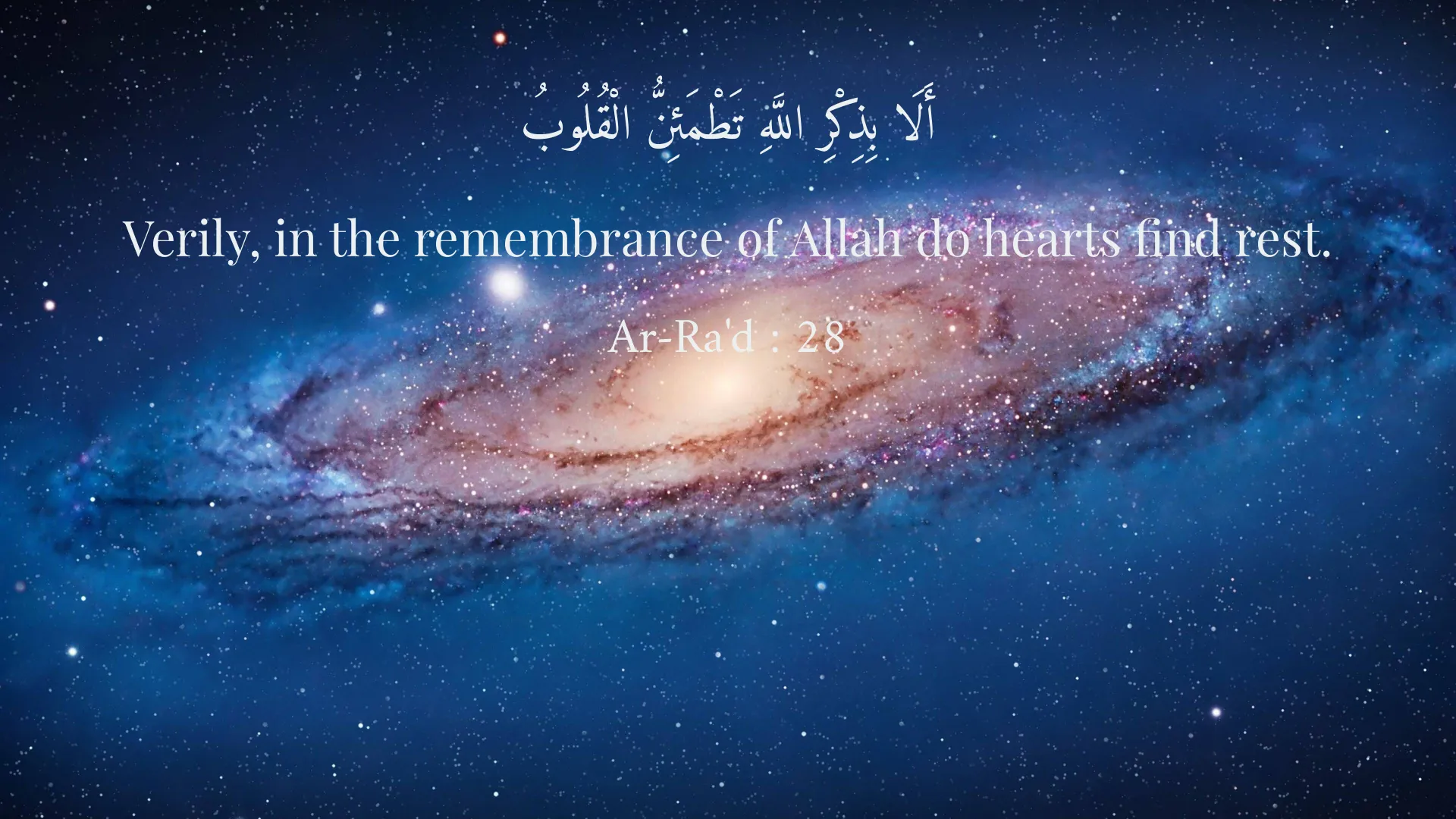
The Remembrance of God: A Key to Spiritual Peace and Tranquility In today's fast-paced world, where stress and anxiety seem to be ever-present, individuals often search for peace and tranquility. For those who follow the teachings of Islam, one of the most profound paths to finding inner peace is through the remembrance of God (dhikr). The significance of this practice is deeply rooted in the Quran, where it is introduced as one of the crucial keys to achieving spiritual serenity. The Quran is not only a religious scripture but also a source of guidance and wisdom for millions of believers. In Surah Ar-Ra'd, verse 28, Allah says, "Verily, in the remembrance of Allah do hearts find rest." This powerful verse emphasizes that through the act of remembering Allah, individuals can experience a tranquility that transcends the stresses and pressures of life. The notion that invoking God's name can bring solace is both comforting and encouraging, reminding believers to turn towards their Creator in times of distress. In our daily lives, stress can arise from various sources—work deadlines, personal relationships, financial pressures, and health issues. Each of these challenges can weigh heavily on one's mind and spirit, often leading to feelings of despair and hopelessness. However, the act of engaging in dhikr allows individuals to navigate these difficulties with a sense of calm and resilience. The simple act of remembering God provides an escape from the overwhelming nature of life, allowing individuals to refocus their thoughts and prioritize what truly matters. Moreover, in Surah Al-Baqarah, verse 152, Allah tells us: "So remember Me; I will remember you." This verse not only highlights the importance of actively engaging in the remembrance of God but also assures believers of God's mindfulness and compassion towards them. When individuals recall God's presence in their lives, they invite a sense of divine assistance and support during challenging times. This reciprocal relationship fosters an environment where individuals can feel reassured and bolstered by their faith. One of the fundamental practices of remembrance is prayer. The Islamic prayer (Salah) serves as a vital connection between the individual and God, providing an opportunity for direct communication. During these moments of prayer, worshippers express their gratitude, seek forgiveness, and ask for guidance. The structured nature of Salah allows for both physical engagement and spiritual reflection, helping to restore not only one's spiritual energies but also enhancing physical well-being. In addition to prayer, the recitation of the Quran is another powerful means of drawing closer to God. The Quran is filled with verses that encourage contemplation and reflection, making it a source of spiritual nourishment. For instance, in Surah Al-Fajr, verse 27, God calls out, "O tranquil soul, return to your Lord..." This verse acts as an invitation for believers to turn back to their Creator and find solace through His remembrance. The act of reciting Quranic verses can be therapeutic, offering guidance, wisdom, and a soothing reminder of God's presence and mercy. Furthermore, engaging in dhikr—repeating phrases glorifying God—could be a transformative experience for the believer. Simple expressions such as "SubhanAllah" (Glory be to God), "Alhamdulillah" (All praise is due to God), and "Allahu Akbar" (God is the Greatest) can be recited almost anywhere, at any time. These phrases serve as a reminder of God's greatness and authority, establishing a spiritual connection that fosters feelings of awe and reverence. By incorporating dhikr into daily routines, individuals can transform mundane moments into opportunities for spiritual growth and contemplation. The practice of remembrance in Islam extends beyond mere verbal recitation; it encompasses a holistic approach to living a life mindful of God's presence. It encourages believers to reflect on their actions, intentions, and the world around them. This mindfulness can lead to deeper connections with oneself and others, fostering compassion, empathy, and understanding. In the face of adversity, individuals who actively engage in the remembrance of God often find themselves more resilient and capable of managing their emotions. When life presents challenges, the practice of dhikr serves as an anchor, grounding them in their faith and reminding them that they are never alone in their struggles. Such awareness can lead to heightened emotional intelligence and an ability to respond to life's challenges with patience and grace. Moreover, the communal aspect of remembrance should not be overlooked. Engaging in dhikr within a community can amplify its effects, as the collective energy of shared faith and camaraderie can create a powerful atmosphere of support and love. Such collective remembrance nurtures a sense of belonging, reinforcing the idea that one's struggles and joys are shared experiences within the wider community. In conclusion, the remembrance of God is not merely a religious practice; it is a profound source of tranquility and peace. It offers believers respite from the chaos of daily life, allowing them to cultivate a sense of spiritual awareness and connection with their Creator. Through prayer, recitation of the Quran, and dhikr, individuals can develop a deeper understanding of themselves and the world around them. In a world that often feels overwhelming and tumultuous, the remembrance of God stands as a pillar of strength, guiding individuals towards a path of inner peace and tranquility. By embracing this practice, believers can navigate life's challenges with grace, resilience, and unwavering faith.
Related Verses
أَلَا بِذِكْرِ اللَّهِ تَطْمَئِنُّ الْقُلُوبُ
Verily, in the remembrance of Allah do hearts find rest.
Ar-Ra'd : 28
فَاذْكُرُونِي أَذْكُرْكُمْ
So remember Me; I will remember you.
Al-Baqarah : 152
يَاأَيَّتُهَا النَّفْسُ الْمُطْمَئِنَّةُ ارْجِعِي إِلَى رَبِّكِ رَاضِيَةً مَّرْضِيَّةً
O tranquil soul, return to your Lord.
Al-Fajr : 27
Short Story
Once upon a time, there lived a man named Hassan who was always in search of peace. One day, he approached a wise man and asked how he could find more peace. The wise man smiled and said, "If you truly seek peace, do not neglect the remembrance of God. Spend a few minutes daily in dhikr and prayer, and you will notice a tranquility blossoming in your heart." From that day, Hassan devoted himself to the remembrance of God and found a profound peace within.