Quranic Answer
The Holy Quran is a profound text that offers guidance on various aspects of life, including the intricacies of the human heart and its need for healing and tranquility. One of the key themes of the Quran is the importance of maintaining a spiritual connection with Allah, which serves as a cornerstone for achieving inner peace. Throughout the Quran, it is emphasized that the remembrance of Allah, also known as Dhikr, plays a critical role in alleviating the weariness and turmoil that can afflict the human heart. In Surah Ar-Ra'd, verse 28, Allah states, "Verily, in the remembrance of Allah do hearts find rest." This verse encapsulates the essence of spiritual solace. It suggests that no matter the circumstances one might face, the act of turning in remembrance towards Allah can soothe the heart and provide a sense of calm and tranquility. This divine reassurance aligns with the human experience that often includes times of distress and uncertainty. The stress and anxiety of life can sometimes leave individuals feeling overwhelmed and drained. Yet, amidst these challenges, the Quran offers a pathway to rejuvenation through spiritual remembrance. Remembrance of Allah is not solely about uttering His name; it embodies a deeper engagement that fosters a profound connection with the Creator. This bond can guide individuals through various life tribulations, ensuring they do not feel alone in their struggles. When one faces fatigue and exhaustion, whether mentally, emotionally, or spiritually, recalling one's relationship with God can serve as a potent source of comfort and strength. This practice encourages believers to find their strength in faith rather than succumbing to despair. The importance of prayer, or Salah, as a tool for establishing a connection with God cannot be overstated. In Surah Al-Baqarah, verse 153, Allah instructs, "O you who have believed, seek help through patience and prayer. Indeed, Allah is with the patient." This verse highlights the significance of employing both patience and prayer as means of facing life's challenges. Establishing a routine of prayer not only strengthens a believer's bond with their Creator but also serves as a structured approach to reflection and mindfulness. Prayers, particularly when performed regularly, become a sanctuary for the heart, allowing for moments of peace amidst life’s chaos. Reading the Quran itself is regarded as another method of seeking spiritual healing. Engaging with the holy text can bring clarity to a troubled mind, offer solutions to complex issues, and inspire hope where it may be dim. Each verse carries wisdom that can transform one’s perspective, serving as a reminder of the divine plan and the beauty of faith. Meditative practices, rooted in the principles of the Quran, can further enhance this experience. Contemplative meditation allows for a focused reflection on the verses, leading to a deeper understanding of the words and their application in daily life. In addition to spiritual practices, addressing heart fatigue also entails nurturing social relationships. The Quran acknowledges that human beings are social creatures, wired to connect and support one another. In Surah Al-Hujurat, verse 10, Allah states, "The believers are but brothers, so make settlement between your brothers. And fear Allah that you may receive mercy." This verse emphasizes the significance of positive social interactions in promoting emotional well-being. Engaging with others in a supportive and empathetic manner can decrease feelings of isolation and reinforce a sense of belonging. Fostering healthy relationships with family, friends, and community not only alleviates the burdens of individual struggles but also cultivates a collective spirit of love and support. Empathy and assistance, whether through listening or actively helping others solve their problems, create a nurturing environment that reinforces bonds and uplifts individuals. This interconnectedness enriches both the giver and the receiver with feelings of purpose and joy, combating the weariness that often plagues the heart. Moreover, the balance between spiritual and social life is paramount. Individuals should endeavor to cultivate their relationship with Allah while simultaneously investing in their relationships with others. This dual approach creates a harmonious lifestyle where both internal and external sources of strength contribute to emotional and spiritual resilience. In conclusion, overcoming heart fatigue is a multidimensional journey that integrates spiritual nourishment and social connection. It requires individuals to engage in the remembrance of Allah through prayer and meditation, as well as to foster supportive relationships within their communities. The Quran serves as an everlasting source of guidance and hope, reminding believers that tranquility is attainable through a balance of spiritual commitment and nurturing social ties. Ultimately, it is through these practices that individuals can restore their hearts, find solace amidst life's challenges, and deepen their connection with themselves, others, and their Creator.
Related Verses
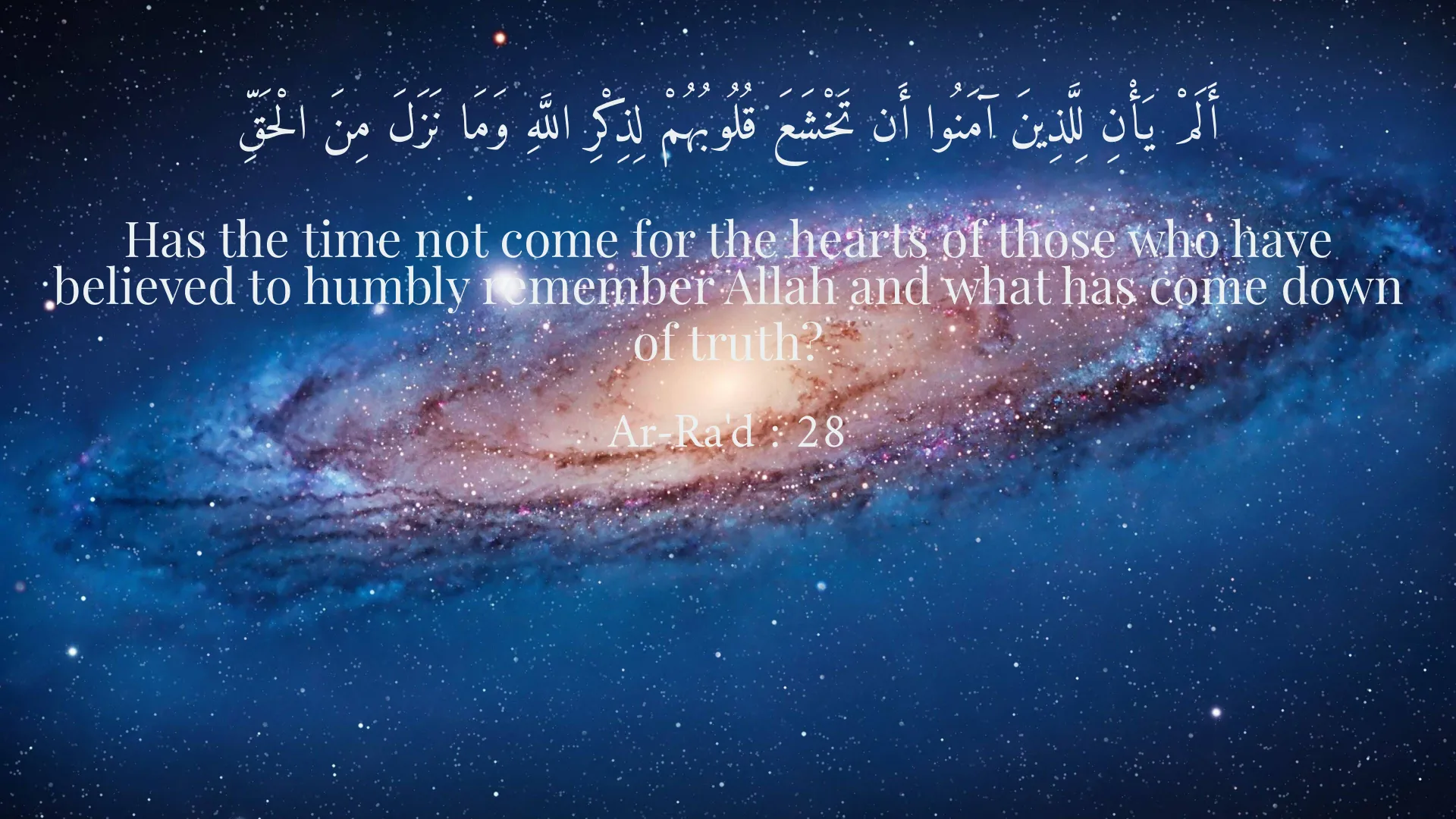
أَلَمْ يَأْنِ لِلَّذِينَ آمَنُوا أَن تَخْشَعَ قُلُوبُهُمْ لِذِكْرِ اللَّهِ وَمَا نَزَلَ مِنَ الْحَقِّ
Has the time not come for the hearts of those who have believed to humbly remember Allah and what has come down of truth?
Ar-Ra'd : 28
يَا أَيُّهَا الَّذِينَ آمَنُوا اسْتَعِينُوا بِالصَّبْرِ وَالصَّلَاةِ ۚ إِنَّ اللَّهَ مَعَ الصَّابِرِينَ
O you who have believed, seek help through patience and prayer. Indeed, Allah is with the patient.
Al-Baqarah : 153
إِنَّمَا الْمُؤْمِنُونَ إِخْوَةٌ ۖ فَأَصْلِحُوا بَيْنَ أَخَوَيْكُمْ ۖ وَاتَّقُوا اللَّهَ لَعَلَّكُمْ تُرْحَمُونَ
The believers are but brothers, so make settlement between your brothers. And fear Allah that you may receive mercy.
Al-Hujurat : 10
Short Story
One day, in a corner of the market, two old friends named Hossein and Ali were sitting together. Hossein was lamenting about how tired he was of life. Ali calmly said, 'Immerse yourself in the remembrance of God, the burdens will lift from your spirit.' Hossein pondered over this and decided to be more diligent in his prayers and worship. After a while, his fatigue turned into tranquility, and he started to pursue knowledge and arts. Now, not only is his heart happy, but he has also gained popularity among the people.