Quranic Answer
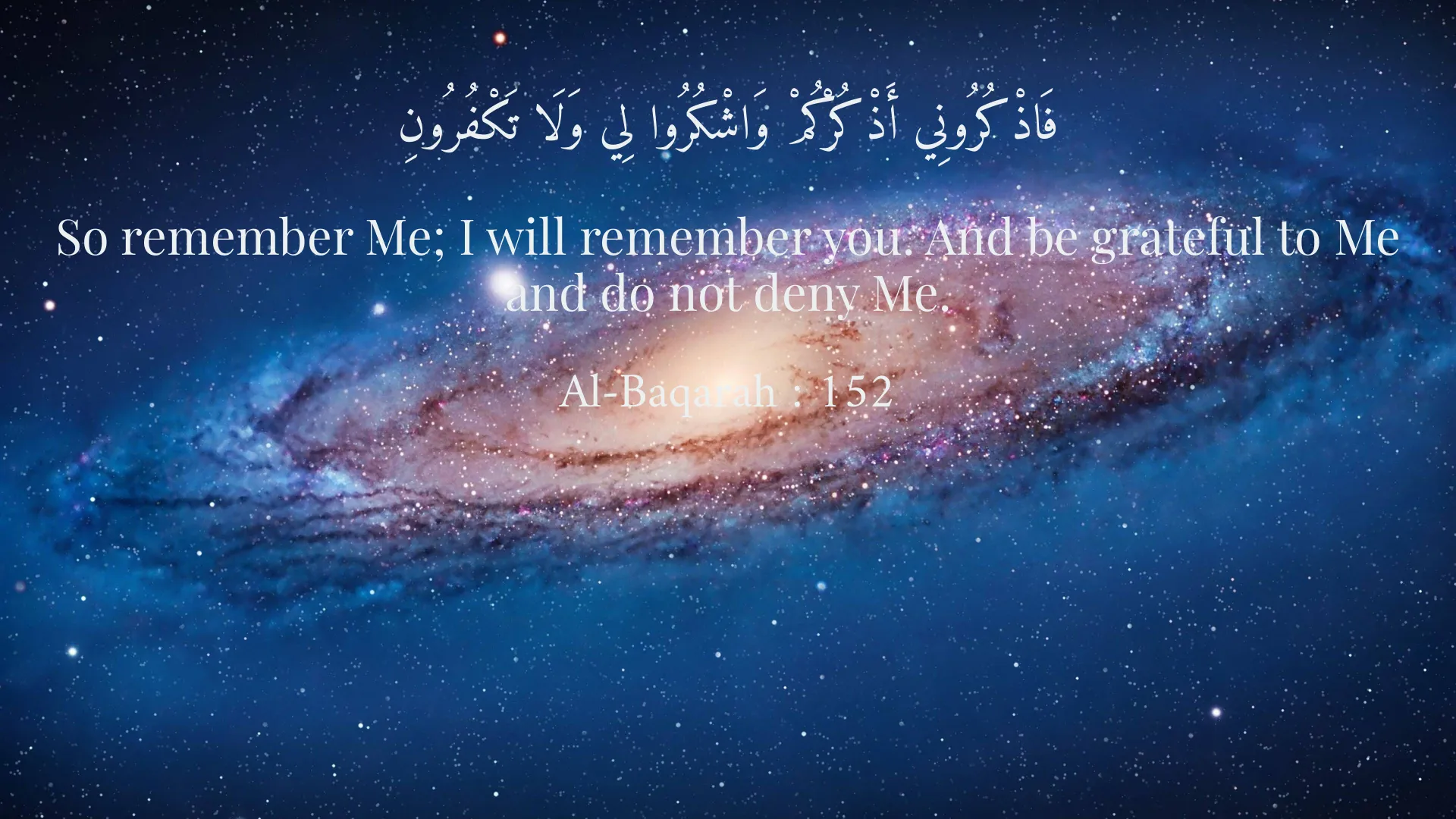
Spirituality in Islam is a comprehensive and all-encompassing concept that is not limited to specific acts of worship or sacred places. Instead, it is meant to be woven into the very fabric of one's daily life. The Holy Quran repeatedly emphasizes that the life of a believer should be characterized by constant awareness and remembrance of God's presence. This means that every action, every thought, and every word can take on a divine color, becoming a means of drawing closer to Allah. To integrate spirituality into daily moments, one needs conscious awareness, intention, and consistent practice. One of the most fundamental ways to achieve this is through 'Dhikr' or the remembrance of God. Dhikr is not merely restricted to uttering phrases like 'Subhanallah' (Glory be to Allah) or 'Alhamdulillah' (Praise be to Allah); rather, it signifies a continuous presence of God in one's heart and mind. This presence can manifest even during routine daily activities. For instance, upon waking up, before starting a task, when eating food, and even before going to sleep, one can begin each action by saying 'Bismillah' (In the name of Allah) or short supplications, transforming ordinary moments into opportunities to recall divine blessings and express gratitude. While driving, waiting in line, or performing household chores, one can subtly recite invocations like Salawat (blessings upon the Prophet), Astaghfirullah (I seek forgiveness from Allah), or the 'Tasbih al-Arba' (four glorifications). These recitations are not only soothing but also keep the heart engaged in the remembrance of God, preventing heedlessness. The Quran states: "So remember Me; I will remember you. And be grateful to Me and do not deny Me." (Surah Al-Baqarah, 2:152). This verse indicates that remembrance of God is reciprocal and brings about divine mercy and attention. Salat (prayer), as the pillar of faith, plays a pivotal role in infusing spirituality into daily life. The five daily prayers serve as connection points that draw a person away from heedlessness and towards God five times throughout the day and night. However, beyond merely performing the physical movements and recitations, the essence of prayer lies in maintaining focus and humility of heart. If an individual can extend the spirit of prayer to their daily life – meaning, they maintain the same humility and attentiveness in all their actions as they do in prayer – then spirituality will deeply root itself in their life. The Prophet Muhammad (peace be upon him) said: "My delight is in prayer." This shows that prayer is not just an obligation but a source of peace and spiritual joy, the effects of which should be evident in all our waking hours. The Quran states in Surah Ar-Ra'd, 13:28: "Those who have believed and whose hearts are assured by the remembrance of Allah. Unquestionably, by the remembrance of Allah hearts are assured." This verse clearly articulates the connection between the remembrance of God and the tranquility of the heart. The concept of 'Taqwa' or God-consciousness is another cornerstone of integrating spirituality. Taqwa means that a person constantly perceives themselves to be in the presence of God and aligns their actions and thoughts according to His pleasure. This God-consciousness manifests itself in the workplace, in relationships with family and friends, and even in solitude. When someone lives with Taqwa, they exhibit honesty in their dealings, maintain benevolence and truthfulness in their speech, and avoid injustice and oppression. Every decision they make, every step they take, is with the intention of whether this action is pleasing to God or not. This mindset transforms the entirety of life into an act of worship. Even sleeping with the intention of rejuvenating oneself to better serve God, and working with the intention of earning a lawful living for one's family, can be considered acts of worship. 'Ihsan' or excellence and benevolence is also a manifestation of Taqwa. The Quran heavily emphasizes kindness to parents, relatives, orphans, the needy, and neighbors. Every small act of kindness in daily life, from helping a neighbor to smiling at a stranger, can be a manifestation of spirituality. 'Shukr' or gratitude to Allah is also a vital way to spiritualize life. When a person becomes aware of the blessings that surround them at every moment, their heart overflows with gratitude. These blessings can include physical health, security, family, daily food, clean drinking water, and even the air they breathe. The habit of gratitude shifts one's perspective on life and keeps them away from despair and ingratitude. When you wake up in the morning and thank Allah for your health, or when you eat food and are grateful to God, these moments transform into expressions of spirituality. The Quran states: "And [remember] when your Lord proclaimed: 'If you are grateful, I will surely increase you [in favor]; but if you deny, indeed, My punishment is severe.'" (Surah Ibrahim, 14:7). This verse underscores the importance of gratitude and the increase of blessings through it. 'Tafakkur' or reflection on the divine signs in the universe is another path to deepening spirituality. Walking in nature, gazing at the starry sky, pondering the falling rain, or the growth of a plant, all can connect us to the majesty and wisdom of the Creator. The Quran invites us to ponder the creation of the heavens and the earth and natural phenomena to learn from them and recognize their Creator. Moments spent in silence, marveling at the beauty of creation, can be moments full of spirituality and connection with the Origin of existence. In Surah Al-Imran, 3:191, regarding people of understanding, it says: "Those who remember Allah while standing or sitting or [lying] on their sides and contemplate the creation of the heavens and the earth, [saying], 'Our Lord, You did not create this in vain. Exalted are You, so protect us from the punishment of the Fire.'" Ultimately, integrating spirituality into daily moments is a gradual process that requires repetition and perseverance. By starting with small, daily acts, such as setting intentions before every action, being grateful for every blessing, and striving to perform tasks with excellence (Ihsan), we can gradually illuminate all aspects of our lives with divine light. This approach not only makes individual life more peaceful and purposeful but also significantly contributes to improving social relationships and fostering a healthier society. True spirituality lies in knowing that God is with us every moment and everywhere, and that our life is an opportunity to draw closer to Him.
Related Verses
فَاذْكُرُونِي أَذْكُرْكُمْ وَاشْكُرُوا لِي وَلَا تَكْفُرُونِ
So remember Me; I will remember you. And be grateful to Me and do not deny Me.
Al-Baqarah : 152
الَّذِينَ آمَنُوا وَتَطْمَئِنُّ قُلُوبُهُم بِذِكْرِ اللَّهِ ۗ أَلَا بِذِكْرِ اللَّهِ تَطْمَئِنُّ الْقُلُوبُ
Those who have believed and whose hearts are assured by the remembrance of Allah. Unquestionably, by the remembrance of Allah hearts are assured.
Ar-Ra'd : 28
الَّذِينَ يَذْكُرُونَ اللَّهَ قِيَامًا وَقُعُودًا وَعَلَىٰ جُنُوبِهِمْ وَيَتَفَكَّرُونَ فِي خَلْقِ السَّمَاوَاتِ وَالْأَرْضِ رَبَّنَا مَا خَلَقْتَ هَٰذَا بَاطِلًا سُبْحَانَكَ فَقِنَا عَذَابَ النَّارِ
[Those] who remember Allah while standing or sitting or [lying] on their sides and contemplate the creation of the heavens and the earth, [saying], 'Our Lord, You did not create this in vain. Exalted are You, so protect us from the punishment of the Fire.'
Al-Imran : 191
Short Story
It is narrated that in ancient times, there lived a pious man who constantly asked people, "What is the secret to true peace and happiness?" Everyone offered an answer: one spoke of abundant worship, another of extensive knowledge, and some of wealth and status. But the pious man continued his search. One day, he approached a wise sheikh and repeated his question. The sheikh replied, "O good man, the secret lies not in the quantity of your deeds nor the grandeur of your status, but in your intention and the state of your heart. Life is like a river whose water flows continuously. Spirituality is not about stopping the river and building a monastery upon it, but rather about seeing the Creator's presence and being grateful in every sip you drink, every hand and face you wash with it, and every land you irrigate. In this way, every moment of your life, even drinking a sip of water or walking in the marketplace, transforms into a pure act of worship." The pious man was delighted by these words and from then on, in every small task he performed, he purified his intention and perceived God as present and observing. He discovered that true happiness lay in integrating the spirit of servitude into the very fabric of daily life, and his heart was filled with unparalleled tranquility.