Quranic Answer
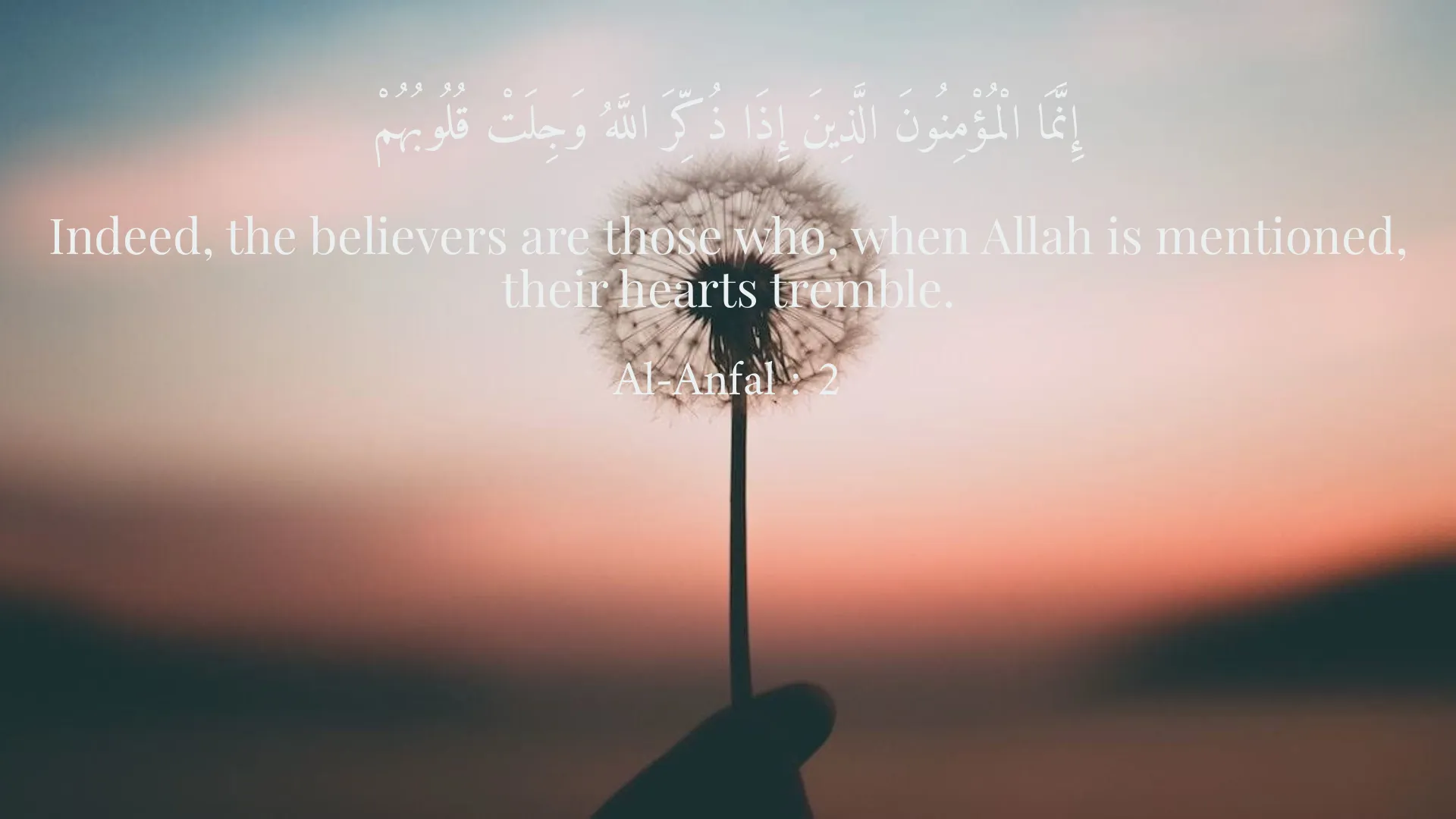
Faith, often heralded as one of the most pivotal dimensions in human existence, forms the bedrock of not just personal beliefs, but collective values as well. It serves as a guide to individual actions and decisions, and it shapes interactions within communities. However, it is essential to understand that faith is not a static state but rather a dynamic aspect of life that requires continuous nurture and a conscious effort to maintain. In the Holy Quran, Allah emphasizes the importance of faith for believers, illustrating that it is intrinsically linked to their relationship with Him. In Surah Al-Anfal, verse 2, Allah states: 'Indeed, the believers are those who, when Allah is mentioned, their hearts tremble.' This verse encapsulates the essence of true faith, which manifests through reverence and awe towards Allah. Such a response is indicative of a living faith—a faith that remains active and engaged, rather than one that is merely professed without conviction. This trembling of the heart signifies an emotional and spiritual connection to Allah, highlighting that believers must engage diligently with their spirituality to keep faith vibrant. Moreover, in Surah Aal-e-Imran, verse 179, it is mentioned: 'Do not think that your disbelief will give you any peace.' This verse strongly hints at the necessity of reinforcing faith in the face of adversity. Challenges, doubts, and tribulations are a part of the human experience; however, it is the believers' tenacity in faith that serves as a shield against these challenges. Thus, the verses from the Quran suggest several profound truths: faith does not merely provide comfort; it requires nurturing and fortification, especially in difficult times. One of the primary methods for keeping faith alive is the continuous remembrance of Allah. This practice, known as Dhikr, involves invoking Allah's name and attributes, thus nurturing a deeper awareness of His presence in our lives. It serves to anchor us during turbulent times and inspires a sense of peace and tranquility. The practice of constant remembrance elevates our spiritual state and fosters a profound appreciation of Allah's grandeur and mercy, ultimately leading to a more robust faith. Additionally, fulfilling religious duties is fundamental in preserving one’s faith. Acts such as performing the five daily prayers (Salah), fasting during the month of Ramadan, giving charity (Zakat), and engaging in good deeds toward others are not merely rituals; they are acts of devotion that elevate our spiritual standing and enhance our connection with Allah. The discipline instilled by these practices creates an environment where faith flourishes. The prayers serve as a direct link to Allah, allowing believers to express their hopes, seek forgiveness, and maintain gratitude. Furthermore, fasting during Ramadan is not only a means of self-discipline and self-control but also a reminder of the struggles faced by others. It cultivates empathy and compassion, fostering a sense of community and shared faith among believers. The act of giving charity goes hand-in-hand with the spiritual growth one experiences during acts of worship; it reinforces the idea of selflessness and the intrinsic value of supporting others in need. Each of these duties acts as a building block in the edifice of faith. In addition to individual practices, connecting with other believers and fostering communal bonds play a significant role in sustaining faith. The Islamic community (Ummah) serves as a support system where believers can share experiences, seek advice, and hold each other accountable for their spiritual journeys. Engaging with the community through congregational prayers, Islamic events, and study groups provides ample opportunities for learning and personal development. In Islam, there exists a strong emphasis on collective worship, as seen in communal prayers during the Friday sermon (Jumu'ah) and during the two Eid festivals, which not only strengthen individual faith but also contribute to the fabric of society. Moreover, regular interaction with other believers can ignite a collective aspiration towards righteousness and knowledge. Sharing stories of faith, discussing religious texts, and engaging in mutual encouragement serve to enhance one’s spiritual journey and provide the necessary motivation to remain steadfast. In nurturing these connections, believers can draw strength from one another, reinforcing their resolve to face life’s challenges more courageously. However, it must be acknowledged that the journey of faith is fraught with challenges. The ever-changing landscapes of life, with their inherent unpredictability, can sometimes lead to doubt and uncertainty. During such times, it becomes increasingly crucial to seek refuge in prayer and supplication, turning towards Allah for guidance and support. It is in these moments of vulnerability that the heart can reconnect with its Creator, drawing strength, comfort, and reaffirmation of faith. In conclusion, the preservation of faith is an ongoing process requiring continuous effort and a deep, abiding connection with Allah. The relationship between a believer and Allah is a living, breathing entity that thrives on remembrance, acts of worship, and community support. As we navigate the complexities of life, it is vital to cultivate our spiritual practices, involve ourselves in our communities, and fortify our belief through reflection and connection with others. Such endeavors not only enhance individual faith but also contribute to a thriving, resilient community of believers, geared towards positive action and shared values. Ultimately, maintaining our faith is not merely an obligation but a profound journey that enriches our souls and transforms our lives.
Related Verses
إِنَّمَا الْمُؤْمِنُونَ الَّذِينَ إِذَا ذُكِّرَ اللَّهُ وَجِلَتْ قُلُوبُهُمْ
Indeed, the believers are those who, when Allah is mentioned, their hearts tremble.
Al-Anfal : 2
لَا تَحْسَبُوا أَنَّمَا شِرْكُكُمْ مُتُدَرَّبٌ
Do not think that your disbelief will give you any peace.
Aal-e-Imran : 179
Short Story
Hossein was a young believer eager to keep his faith alive. One day while walking in the park, he noticed his friends playing and having fun. He paused for a moment and remembered the Quranic verses and his prayers. Hossein decided to dedicate a little time each day for prayers and remembering God. Over time, he felt a greater sense of peace, and his faith became stronger. He joined religious gatherings and found sincere and faithful friends who assisted him in keeping his faith alive.