Quranic Answer
Human beings are innately drawn towards their Creator. This inner yearning for a connection with a transcendent power is deeply rooted in every individual's being. The relationship with God is the beating heart of our spiritual life; it is the factor that gives life meaning, purpose, and tranquility. However, like any cherished bond, this relationship requires constant care, attention, and nourishment to remain vibrant, dynamic, and profound. The Holy Quran, this divine book of guidance, provides a comprehensive roadmap for nurturing and strengthening this sacred bond. In today's tumultuous world, where various factors try to distract humanity from the central axis of its existence, how can we keep this vital relationship alive and fervent, and benefit from its unparalleled blessings? This is a question whose answer lies in the rich teachings of the Almighty's word, and by adhering to a few principles, we can always strengthen this thread of connection. One of the most fundamental pillars for maintaining and strengthening the relationship with God is "Dhikr" or His constant remembrance. Dhikr is not merely confined to uttering sacred words with the tongue; rather, it is a state of heartfelt awareness and mental presence that reminds a person of their Creator at every moment. The Holy Quran states in Surah Ar-Ra'd, verse 28: "Those who have believed and whose hearts are assured by the remembrance of Allah. Unquestionably, by the remembrance of Allah hearts are assured." This verse clearly indicates that true peace of heart lies in the remembrance of God. When we acknowledge God as present and observant in our daily activities, in joy and sorrow, in success and failure, this continuous reminder strengthens our bond. Dhikr can take the form of Tasbih, saying "Subhan Allah," "Alhamdulillah," "La ilaha illallah," and "Allahu Akbar," or through contemplating the creation of the heavens and the earth, or even by recalling His countless blessings. This constant remembrance is like oxygen for the soul, keeping it alive and vibrant, and preventing negligence and distance. The more vibrant the remembrance of God is within us, the more we feel His presence, and consequently, our relationship becomes deeper and more alive. Prayer (Salat), the pillar of faith and the ascension of the believer, is the most central and direct means of daily communication with God. Five times a day, the believer stands before their Lord, converses with Him, praises and glorifies Him, seeks His help, and presents their needs. The Quran states in Surah Al-Ankabut, verse 45: "Recite, [O Muhammad], what has been revealed to you of the Book and establish prayer. Indeed, prayer prohibits immorality and wrongdoing, and the remembrance of Allah is greater. And Allah knows that which you do." Prayer is not just an obligation; it is a unique opportunity to renew one's covenant and strengthen the spiritual bond. If prayer is accompanied by humility and heartfelt attention (khushu'), it has a profound effect on purifying the soul and preventing sin. Let us strive not to consider prayer merely a habit, but rather a loving rendezvous with the Beloved. By focusing on the meanings of the verses and supplications, and with complete presence of heart, we can add more depth to our prayers and thereby establish a stable and dynamic relationship with God. Every prayer is a new bridge to attain proximity to the Divine and an opportunity to detach from material concerns and connect with the infinite source of tranquility. Recitation and reflection upon the Holy Quran, the direct word of God and His message to humanity, is another vital way to keep this relationship alive. Surah Sad, verse 29, states: "[This is] a blessed Book which We have sent down to you, that they might reflect upon its verses and that those of understanding would be reminded." When we read the Quran, we are essentially listening to the voice of God speaking to us, guiding us, and directing us towards what is best for us. This recitation should not be limited to merely reading the text, but should be accompanied by a deeper understanding of its meanings. By studying commentaries (Tafsir), participating in Quranic sessions, and striving to implement its teachings in life, we can bring ourselves closer to the Divine word. The Quran is an inexhaustible source of light, wisdom, and tranquility that purifies hearts and illuminates the path. Every verse is a window to a deeper understanding of the Lord and His perfect attributes, which increases our love and devotion to Him, and this knowledge propels our relationship towards greater understanding and affection. Supplication (Du'a) is the essence of worship and one of the most intimate forms of communication with God. In supplication, the servant, without any intermediary, shares their needs, desires, fears, and hopes with the Creator of existence. Allah says in Surah Al-Baqarah, verse 186: "And when My servants ask you, [O Muhammad], concerning Me - indeed I am near. I respond to the invocation of the supplicant when he calls upon Me. So let them respond to Me [by obedience] and believe in Me that they may be [rightly] guided." This verse demonstrates God's unparalleled closeness to His servants and His readiness to hear and answer sincere prayers. Supplication is not just for fulfilling needs, but also a means to express servitude, vulnerability, and to strengthen the sense of reliance and trust in divine power. The more we converse with God, the closer and more present we feel Him, and this sense of closeness keeps our relationship dynamic and alive, as we are constantly engaged in a two-way conversation and connection. Piety (Taqwa) and mindfulness mean abstaining from sin and living with a constant awareness of God's presence. This sense of responsibility and self-awareness keeps one away from forbidden acts and steers them towards fulfilling obligations and doing good. The Quran states in Surah Al 'Imran, verse 102: "O you who have believed, fear Allah as He should be feared and do not die except as Muslims [in submission to Him]." Taqwa ensures that our actions become divinely colored, and every deed we perform, even daily tasks, transforms into worship and a path to drawing closer to God. When one lives with taqwa, they are essentially building a strong relationship based on respect and love with their Creator. Taqwa increases one's insight, helping them distinguish right from wrong, which in turn leads to better choices and greater proximity to God, significantly enhancing the quality of one's spiritual life. Reliance and trust in God (Tawakkul) means entrusting one's affairs to God and having complete faith in His planning and wisdom. This state of heart removes worries and anxieties and bestows deep tranquility upon a person, for they know they are under the protection of an infinite power. Surah At-Talaq, verse 3, says: "And whoever relies upon Allah - then He is sufficient for him." Tawakkul does not mean abandoning effort; rather, it is effort coupled with the conviction that the ultimate outcome is in His hands, and He desires the best for His servant. This trust strengthens the bond with God because, in all circumstances, even in hardships, one finds themselves in the embrace of the Lord and seeks refuge in Him with certainty. This feeling creates an active and dynamic relationship in which one perceives divine presence and support at every step, freeing them from the stresses and anxieties of the world. Gratitude (Shukr) for God's countless blessings not only leads to an increase in blessings, as stated in Surah Ibrahim, verse 7: "If you are grateful, I will surely increase you [in favor]", but also deepens one's bond with their Lord. When we see blessings and are wholeheartedly thankful to God, our love for Him grows, and our hearts are kept away from heedlessness and ingratitude. Gratitude constantly reminds a person of the endless divine favors and kindnesses, making their outlook on life more positive and enriching. This strengthens a relationship with God based on love and appreciation and cultivates a state of contentment and satisfaction within a person. Finally, benevolence and service to creation (Ihsan) are highly cherished by God. Serving creation and showing kindness to others is, in essence, serving God and expressing love for Him. This act not only brings rewards in the hereafter but also strengthens one's relationship with their Creator. Surah Al-Baqarah, verse 195, states: "And spend in the way of Allah and do not throw [yourselves] with your [own] hands into destruction. And do good; indeed, Allah loves the doers of good." When we help others and show kindness for the sake of pleasing God, we feel a greater closeness to Him. These good deeds are a testament to the sincerity of faith and the depth of one's relationship with God, serving as a practical way to demonstrate our love for Him through our love for His creation. All these elements work hand in hand to foster a strong, dynamic, and everlasting relationship with our Lord. In conclusion, keeping the relationship with God alive is a continuous and comprehensive process that encompasses all dimensions of human life. This relationship is not limited to specific acts of worship but manifests in every moment of life, from remembrance and prayer to reflection on the Quran, supplication, piety, reliance on God, gratitude, and service to creation. Each of these is like a branch of the tree of our bond with God, and with continuous care and watering, this tree grows stronger and more fruitful. Striving for presence of heart, sincerity of intention, and consistency in action are among the most important factors for the stability and deepening of this divine bond. By following these Quranic teachings, we can achieve lasting peace, a profound meaning for life, and eternal bliss, and feel the presence of our merciful Lord beside us at every moment. This is a path to finding true paradise, right here on earth, within our own hearts.
Related Verses
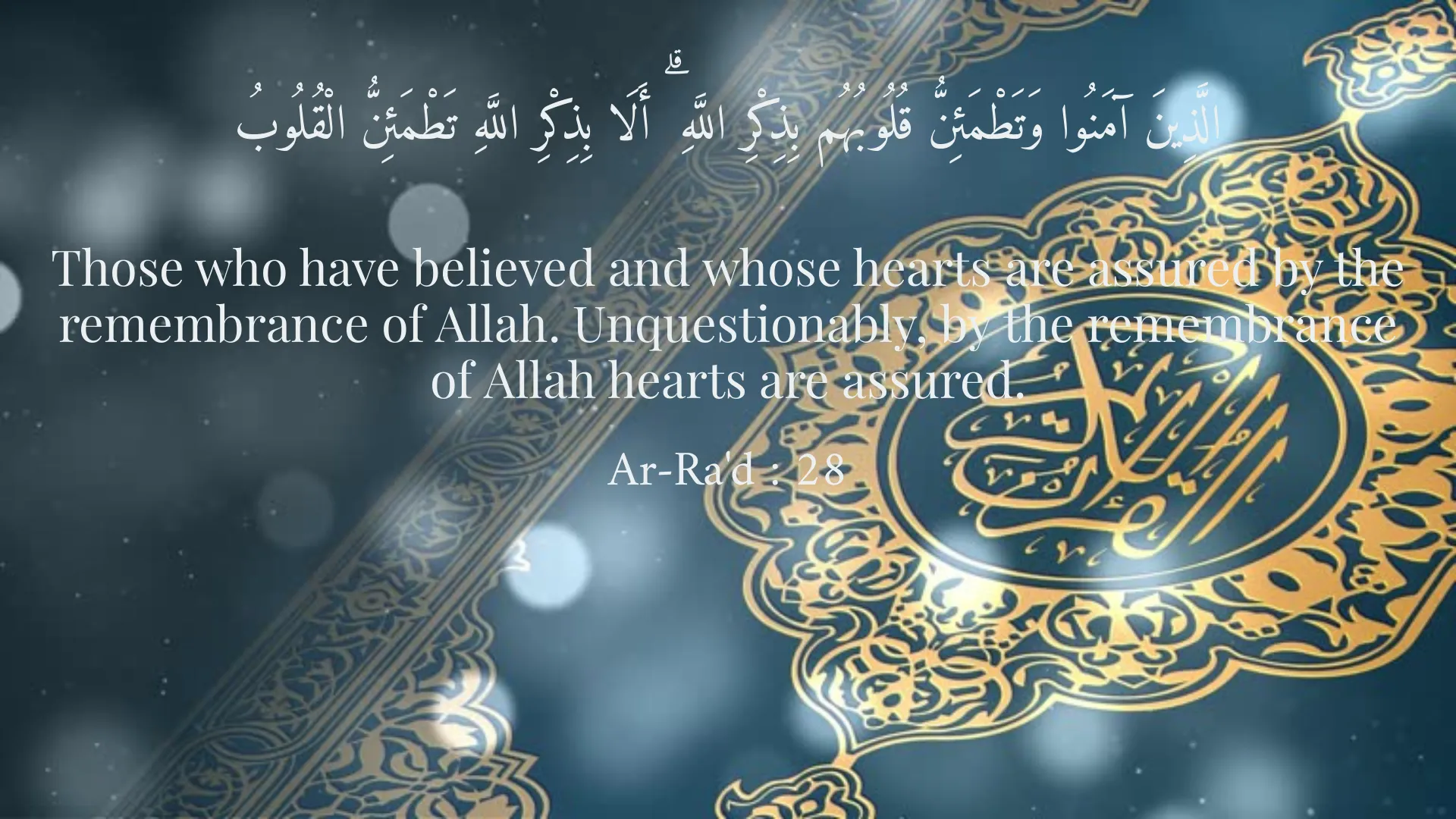
الَّذِينَ آمَنُوا وَتَطْمَئِنُّ قُلُوبُهُم بِذِكْرِ اللَّهِ ۗ أَلَا بِذِكْرِ اللَّهِ تَطْمَئِنُّ الْقُلُوبُ
Those who have believed and whose hearts are assured by the remembrance of Allah. Unquestionably, by the remembrance of Allah hearts are assured.
Ar-Ra'd : 28
اتْلُ مَا أُوحِيَ إِلَيْكَ مِنَ الْكِتَابِ وَأَقِمِ الصَّلَاةَ ۖ إِنَّ الصَّلَاةَ تَنْهَىٰ عَنِ الْفَحْشَاءِ وَالْمُنكَرِ ۗ وَلَذِكْرُ اللَّهِ أَكْبَرُ ۗ وَاللَّهُ يَعْلَمُ مَا تَصْنَعُونَ
Recite, [O Muhammad], what has been revealed to you of the Book and establish prayer. Indeed, prayer prohibits immorality and wrongdoing, and the remembrance of Allah is greater. And Allah knows that which you do.
Al-Ankabut : 45
وَإِذَا سَأَلَكَ عِبَادِي عَنِّي فَإِنِّي قَرِيبٌ ۖ أُجِيبُ دَعْوَةَ الدَّاعِ إِذَا دَعَانِ ۖ فَلْيَسْتَجِيبُوا لِي وَلْيُؤْمِنُوا بِي لَعَلَّهُمْ يَرْشُدُونَ
And when My servants ask you, [O Muhammad], concerning Me - indeed I am near. I respond to the invocation of the supplicant when he calls upon Me. So let them respond to Me [by obedience] and believe in Me that they may be [rightly] guided.
Al-Baqarah : 186
Short Story
In ancient times, there lived a devout man named Hasan, who sought tranquility of heart and proximity to his Lord. Although he stood in prayer at night and recited the Quran by day, he sometimes felt that his heart had not yet found true peace and presence. One day, he approached a wise sage who sat in a corner of the mosque and said, “O Master, I seek to keep my bond with the Beloved alive, but sometimes amidst the clamor of the world, the thread of affection weakens.” The sage smiled and said, “O son, the heart is like a garden that needs constant watering. If you neglect it for even a day, its leaves will wilt and its blossoms will dry. Have you not seen how water flows continuously from the spring, nourishing the earth day and night? The bond with the Lord is similar. Every morning and evening, refresh His remembrance, not just with your lips, but with your heart. When you take a step, when you utter a word, when you give charity, feel His presence. For the breeze of mercy is blowing every moment; you only need to keep the window of your heart open. Then you will see that your heart will not only find peace but will, like a rose garden, diffuse the fragrance of divine love into the air.” Hasan took the sage's words to heart. From then on, he sought the presence of the Lord not only in prayer and remembrance but in every breath and every action. And he saw how his heart soared from stillness to flight, and with each passing moment, a fresh yearning to meet the Friend ignited within him.