Quranic Answer
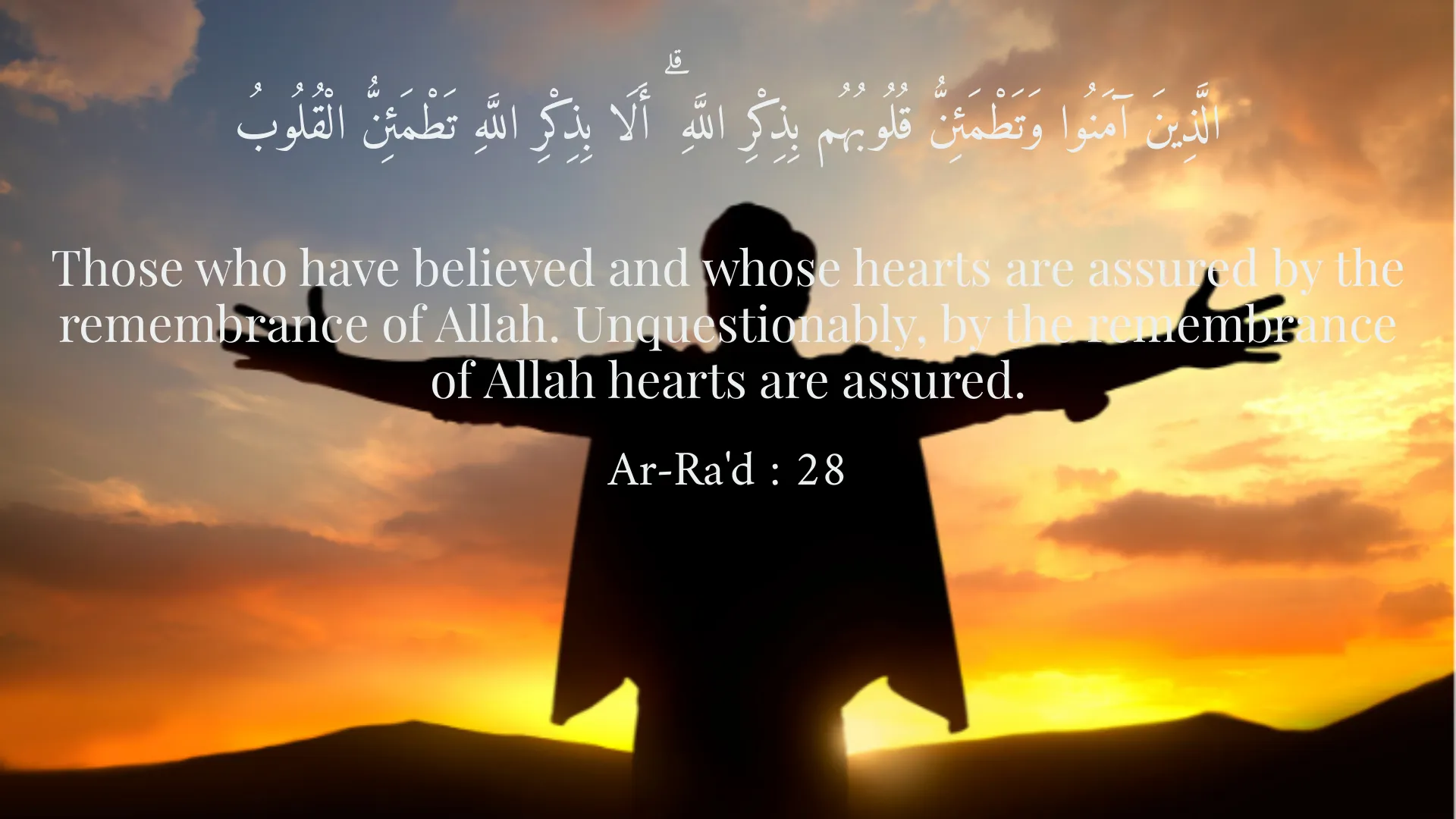
Maintaining and awakening spiritual motivation throughout life is a profound yet invaluable challenge for anyone seeking a lasting connection with the Creator and true inner peace. The Holy Quran, as divine revelation, serves as a clear guide and beacon, illuminating various paths to keep this motivation alive. This matter is not merely limited to outward acts of worship but encompasses deep contemplation of existence, heartfelt connection with God, and adherence to the ethical and social teachings of Islam. Indeed, spiritual motivation is like a flame that constantly requires fuel to remain lit and to illuminate one's path through the darkness of life. One of the most crucial pillars for awakening and preserving spiritual motivation is the 'constant remembrance of Allah (Dhikr).' The Quran repeatedly emphasizes the importance of Dhikr. In Surah Ar-Ra'd, verse 28, it states: "Those who have believed and whose hearts are assured by the remembrance of Allah. Unquestionably, by the remembrance of Allah hearts are assured." This verse clearly indicates that the remembrance of God not only brings tranquility but also keeps hearts alive, warding off heedlessness and despair. Dhikr is not merely uttering verbal litanies; it includes pondering over divine verses, contemplating creation, and maintaining presence of heart in all aspects of life. When a person remembers Allah, their actions take on a divine quality, moving away from emptiness and meaninglessness. This constant presence is like water nourishing the roots of the tree of spiritual motivation, preventing it from withering. 'Prayer (Salat),' as the pillar of faith and the believer's ascension, plays a vital role in preserving spiritual motivation. Prayer, beyond being a mere act of worship, is a daily, regular conversation with the Almighty. Five times a day, one distances oneself from worldly concerns and purifies the soul with the remembrance of God. In Surah Al-Baqarah, verse 153, Allah says: "O you who have believed, seek help through patience and prayer. Indeed, Allah is with the patient." Prayer helps individuals to endure hardships and trials, constantly maintaining their connection with the inexhaustible source of power. This continuous link provides the necessary energy to continue the spiritual journey and strengthens one's motivation in following the path of truth. 'Patience (Sabr) and steadfastness' are also key components in the sustainability of spiritual motivation. Worldly life is full of challenges and tests. Sometimes, difficulties and obstacles can lead one towards despair. However, the Quran advises believers to exercise patience in the face of these problems. Patience is not merely passive endurance but active perseverance and striving in the path of truth, with reliance on God. The patient ones are those who resist desires, sins, calamities, and persevere in obedience to God. This steadfastness strengthens one's resolve and protects spiritual motivation from the turbulence of life. Whenever one overcomes difficulties with strong will and deep reliance on God, the flame of their faith burns brighter, and their spiritual motivation increases. 'Contemplation and reflection on the verses of the Quran and divine creation' is another factor for nurturing spiritual motivation. The Quran is not just a book of laws; it is an ocean of wisdom and knowledge. Reflecting on the meanings of its verses provides insight and depth, introducing one to the realities of existence. The more one contemplates the grandeur of the heavens and the earth, the order in nature, and the complexities of one's own being, the more one realizes the infinite power and knowledge of Allah. This recognition increases one's love and motivation for servitude. In many verses, Allah invites humanity to reflect on creation to awaken from heedlessness and see the signs of God in the world. 'Righteous deeds and service to humanity' are also crucial ways to strengthen spiritual motivation. True faith is intertwined with righteous deeds; one is incomplete without the other. Helping the needy, assisting others, showing kindness and benevolence to parents and relatives are all manifestations of righteous deeds that not only benefit society but also purify the human soul, giving a sense of purpose and inner contentment. This feeling is a powerful driving force for continuing the spiritual path and keeps one away from indifference and despair. When one sees that their actions, however small, have a positive impact on the lives of others, their spiritual motivation for doing good deeds increases. Finally, 'continuous repentance and seeking forgiveness (Istighfar)' plays a significant role in maintaining spiritual vitality by purifying the soul from sins and mistakes. No human is infallible, and everyone makes errors. However, what is important is to quickly return to Allah after every mistake, repent, and seek forgiveness. This continuous return and purification prevent the accumulation of impurities in the heart, ensuring that the dust of sin does not settle on the mirror of the heart and diminish the light of spiritual motivation. Allah has promised to accept repentance from His servants in the Quran, and this itself is the greatest hope and motivation to continue the path. With this comprehensive approach, which includes remembrance of God, prayer, patience, contemplation, righteous deeds, and repentance, one can keep spiritual motivation alive and dynamic at every moment of life, achieving true peace and felicity.
Related Verses
الَّذِينَ آمَنُوا وَتَطْمَئِنُّ قُلُوبُهُم بِذِكْرِ اللَّهِ ۗ أَلَا بِذِكْرِ اللَّهِ تَطْمَئِنُّ الْقُلُوبُ
Those who have believed and whose hearts are assured by the remembrance of Allah. Unquestionably, by the remembrance of Allah hearts are assured.
Ar-Ra'd : 28
يَا أَيُّهَا الَّذِينَ آمَنُوا اسْتَعِينُوا بِالصَّبْرِ وَالصَّلَاةِ ۚ إِنَّ اللَّهَ مَعَ الصَّابِرِينَ
O you who have believed, seek help through patience and prayer. Indeed, Allah is with the patient.
Al-Baqarah : 153
وَالَّذِينَ جَاهَدُوا فِينَا لَنَهْدِيَنَّهُمْ سُبُلَنَا ۚ وَإِنَّ اللَّهَ لَمَعَ الْمُحْسِنِينَ
And those who strive for Us – We will surely guide them to Our ways. And indeed, Allah is with the doers of good.
Al-Ankabut : 69
Short Story
It is narrated in Sa'di's Gulistan that a dervish asked someone, "How is it that the more I worship, the harder my heart becomes?" The person replied, "Perhaps in your worship, you look more at yourself than at God, and thus you stray from the true purpose." The dervish understood that true spiritual motivation lies not in the quantity of deeds, but in their quality and presence of heart. From then on, he performed every act with complete attention and presence, and he found that his heart became brighter with divine light, and his spiritual motivation never waned, for he kept his heart alive with the constant remembrance of God.