Quranic Answer
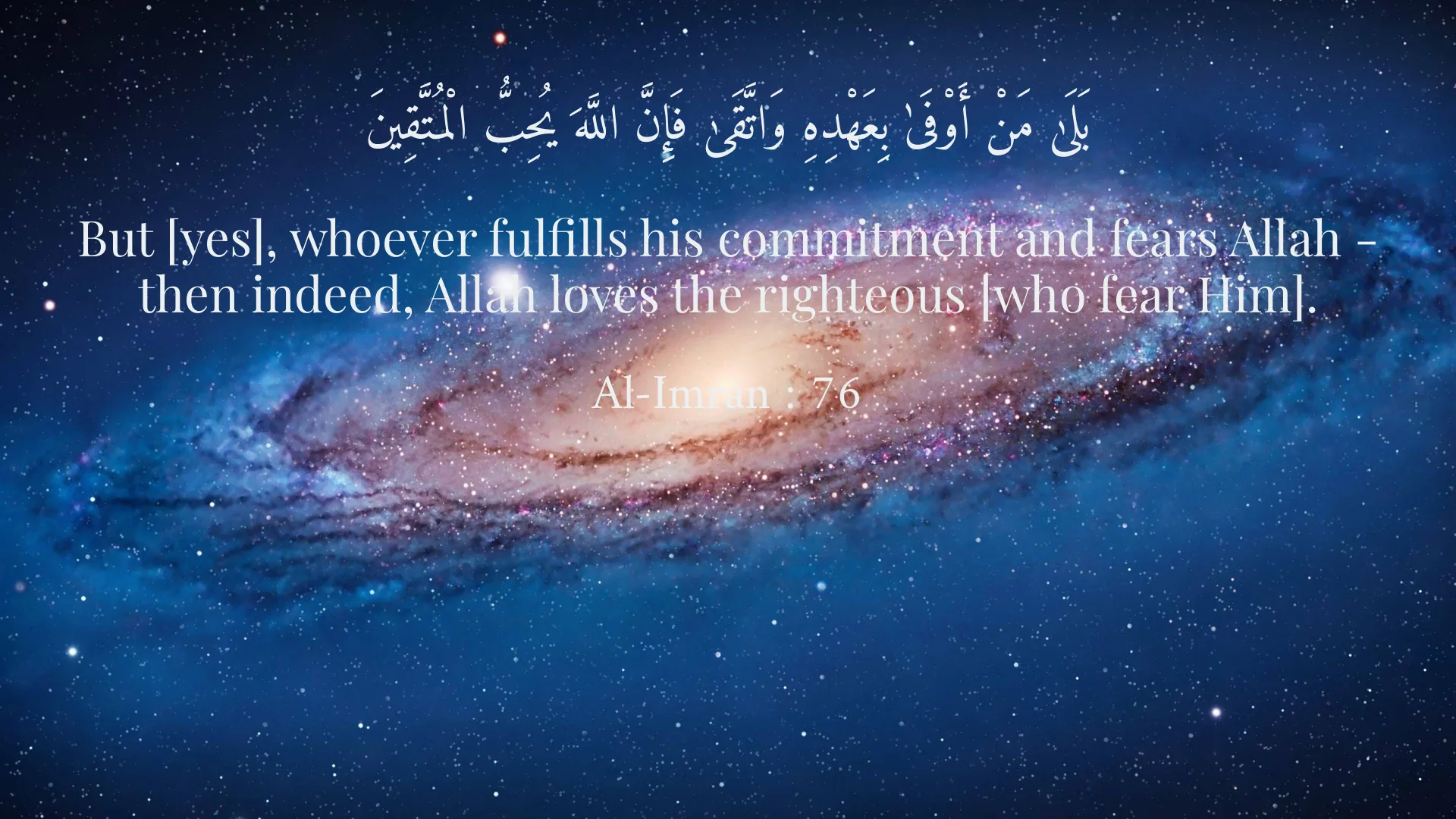
The question, "How do I know if Allah is pleased with me?" is one of the most profound and fundamental inquiries in a believer's spiritual journey. It's not merely seeking an external sign, but a quest to understand one's relationship with their Creator and to find inner peace in the light of Divine pleasure. While the Holy Quran does not contain a single verse that provides a direct, explicit checklist for knowing Allah's pleasure, it contains numerous verses that point to characteristics, actions, and spiritual states that are beloved to Allah and lead to His contentment. Understanding these signs and striving to embody them in one's life is the path to attaining Divine satisfaction and recognizing it within the depths of one's being. 1. Obedience and Submission (Taqwa and Ihsan): The First Steps Towards Divine Pleasure The foundation of any closeness to Allah is obedience and submission to Him. The Quran repeatedly emphasizes the necessity of obeying Allah and His Messenger. When a person consciously and willingly fulfills their religious obligations (such as prayer, fasting, charity, and Hajj) and abstains from what is forbidden by Allah, they are, in essence, treading the path of earning Divine pleasure. Taqwa, which is mentioned in numerous Quranic verses, means God-consciousness or piety. This "fear" of God is not out of mere terror, but rather out of respect and love for Allah, and an avoidance of actions that lead to separation from Him. Allah Almighty states in Surah Al-Imran, verse 76: "Indeed, Allah loves the righteous [who fear Him]." A person who observes Taqwa in all aspects of their life—whether in individual worship, social interactions, honesty in dealings, or family and community relations, upholding the boundaries set by Allah—is undoubtedly on the path of their Lord's contentment. This comprehensive approach to life, where every decision is filtered through the lens of divine approval, naturally leads to a sense of alignment with the Divine will, which is a strong indicator of Allah's favor. Furthermore, Ihsan (excellence in good deeds) is also among the qualities beloved by Allah. Ihsan means doing good and performing deeds in the best and most perfect manner, not merely out of obligation, but with pure intention and mindfulness of Allah. In Surah Al-Imran, verse 134, we read: "And Allah loves the doers of good." When a person strives to be excellent in their worship, in helping others, in fulfilling promises, and in all their actions, and does so solely for Allah's pleasure, this act exemplifies Ihsan and is a clear sign that the individual is moving towards earning Divine contentment. The inner satisfaction and tranquility derived from sincerely performing deeds for Allah can, in itself, be a powerful sign of His pleasure. This pursuit of excellence in every aspect of life reflects a deep commitment to the faith and a profound desire to align one's existence with divine wisdom, fostering an environment where Allah's blessings are more likely to descend. 2. Patience (Sabr) and Gratitude (Shukr): The Two Wings of the Believer's Flight Life is a stage for encountering both blessings and trials. How a believer responds to these circumstances is a crucial criterion for assessing their faith and their proximity to Divine pleasure. Patience (Sabr) is a highly significant virtue repeatedly emphasized in the Holy Quran. Patience is not merely enduring hardships; it encompasses patience in obedience (steadfastness in performing acts of worship and duties), patience in refraining from sins (abstaining from wrongdoing despite temptation), and patience in calamities (enduring difficulties and afflictions with reliance on Allah). Allah says in Surah Al-Imran, verse 146: "And Allah loves the patient." When a person faces challenges without despairing, relies on Allah's plan instead of complaining, and firmly believes in His wisdom, this steadfastness and perseverance are clear signs of Divine pleasure. The feeling of inner peace despite hardships, and the ability to endure them by relying on Allah, can be special Divine graces and indicators of His contentment. This resilience in the face of adversity demonstrates a profound level of trust in Allah's ultimate control and wisdom, making the believer worthy of His love and contentment. On the other hand, gratitude (Shukr) for Allah's blessings complements patience. Gratitude is not merely uttering "Alhamdulillah" (All praise is due to Allah); it involves heartfelt appreciation and using blessings correctly in ways that please Allah. In Surah Ibrahim, verse 7, Allah declares: "If you are grateful, I will surely increase you [in favor]; but if you deny, indeed, My punishment is severe." Although this verse does not explicitly state "Allah loves the grateful," the promise of increased blessings for the grateful is itself a strong indication of Divine pleasure. When a person, instead of focusing on what they lack, contemplates what they possess and uses it in the path of truth with a heart full of appreciation, the sense of peace and spiritual richness that stems from gratitude is a sign of the Lord's contentment. This positive outlook and practical manifestation of thankfulness cultivate an environment of blessings and inner joy, which Allah bestows upon those who recognize His favors. 3. Repentance (Tawbah) and Seeking Forgiveness (Istighfar): Continuous Return to the Cherisher No human is infallible, and error is part of human nature. However, what paves the way for Divine pleasure is how one deals with these errors. Repentance (Tawbah) and seeking forgiveness (Istighfar) are pathways for purifying the soul and returning to Allah. Allah says in Surah Al-Baqarah, verse 222: "Indeed, Allah loves those who repent and loves those who purify themselves." This verse offers immense hope for all of us. If a person, after committing a sin, feels remorse and returns to Allah with a sincere heart, decides not to repeat that sin, and strives to make amends, this repentance becomes beloved to Allah. The initial feelings of guilt and regret might be difficult, but after genuine repentance and a sense of spiritual cleansing, a kind of lightness and peace descends upon the person, which itself can be a sign of accepted repentance and Divine pleasure. The heartfelt inclination to repent, the feeling of regret for sins, and the steps taken towards self-correction are all indications that Allah has opened the door of return and pleasure for His servant, demonstrating His boundless mercy and willingness to forgive. 4. Love for Allah and His Messenger and Preferring It Over the World: The Pinnacle of Servitude One of the most important criteria for Allah's pleasure is the extent of a servant's love for Allah and His Messenger. This love is not just an emotion; it must manifest in life's priorities and daily actions. In Surah At-Tawbah, verse 24, Allah explicitly warns that if one's possessions, family, and worldly attachments are more beloved to them than Allah, His Messenger, and striving in His cause, they should await Allah's command (i.e., His punishment). This verse shows that love for Allah and prioritizing His commands are the backbone of Divine pleasure. When a person is faced with a choice between worldly satisfaction and Allah's satisfaction, and sincerely chooses Allah's pleasure, this is a strong sign of the depth of their faith and their desire for the Lord's contentment. The feeling of joy in worship, the eagerness to know Allah more, and the effort to spread justice and goodness in society for His sake are all signs of true love for Allah and His Messenger, and consequently, a path to earning His pleasure. This profound connection is what elevates a believer's status and makes them truly beloved to their Creator. 5. Ease in Doing Good and Aversion to Sin: Hidden Divine Favors Although this point is not explicitly mentioned as a "sign" in the Quran, the experience of many believers and the Quranic logic indicate that when Allah is pleased with a servant, He makes the path of goodness easy for them and steers them away from sins. When a person feels that performing good deeds (such as helping others, performing worship, speaking kindly) has become easy for them and they naturally incline towards them, and conversely, they feel aversion towards sins and find it difficult to commit them, this can be a sign of Divine facilitation and consequently, His pleasure. This state is a form of hidden guidance and support from Allah that inclines the servant's heart and actions towards righteousness and His pleasure. It is as if a powerful hand guides them in the path of good and protects them from stumbling. This spiritual ease is a precious gift, indicating that Allah has opened the doors of goodness and closed the paths of evil for His devoted servant. 6. Inner Peace and Tranquility (Sakina): The Fruit of Divine Pleasure One of the most evident and sweet signs that a person can find within themselves is inner peace and tranquility (Sakina). The Holy Quran states in Surah Ar-Ra'd, verse 28: "Unquestionably, by the remembrance of Allah hearts are assured." When a person builds their life upon the principles of Divine pleasure—through obedience, patience, gratitude, repentance, and love for Allah—the result is a state of deep inner peace that cannot be bought with money or ended with worldly successes. This tranquility is the fruit of trusting in Divine planning and submitting to His will. Even amidst life's hardships and challenges, if a person's heart is at peace with the remembrance of Allah and free from excessive restlessness and worries, this is a strong sign of a correct relationship with Allah and, consequently, His pleasure. The feeling of lightness, clarity of heart, and assurance regarding the future and destiny are all graces of Divine pleasure bestowed upon the servant. This enduring peace is a testament to the fact that one's spiritual compass is accurately set towards their Creator, bringing profound solace regardless of external storms. Conclusion: Divine pleasure is the ultimate destination for every believer, and understanding it is more of an internal experience than an external sign. This pleasure is achieved by adhering to Divine principles in life, including piety, excellence, patience, gratitude, repentance, and love for Allah and His Messenger. Its signs manifest in inner peace, ease in doing good, aversion to sin, and deep contentment with one's life path. This is a continuous process; the more we strive to act upon Allah's commands and abstain from His prohibitions, the more we will feel that we are walking on the path of Divine pleasure, and consequently, we will experience more peace and blessings in our lives. Let us remember that Allah is more merciful than to turn away a servant who approaches Him with their whole being; He has always kept the doors of His mercy and pleasure open for His servants.
Related Verses
بَلَىٰ مَنْ أَوْفَىٰ بِعَهْدِهِ وَاتَّقَىٰ فَإِنَّ اللَّهَ يُحِبُّ الْمُتَّقِينَ
But [yes], whoever fulfills his commitment and fears Allah - then indeed, Allah loves the righteous [who fear Him].
Al-Imran : 76
وَكَأَيِّن مِّن نَّبِيٍّ قَاتَلَ مَعَهُ رِبِّيُّونَ كَثِيرٌ فَمَا وَهَنُوا لِمَا أَصَابَهُمْ فِي سَبِيلِ اللَّهِ وَمَا ضَعُفُوا وَمَا اسْتَكَانُوا ۗ وَاللَّهُ يُحِبُّ الصَّابِرِينَ
And how many a prophet [fought and] with him were many devoted men. So they did not lose heart for what befell them in the way of Allah, nor did they weaken, nor did they give in. And Allah loves the patient.
Al-Imran : 146
إِنَّ اللَّهَ يُحِبُّ التَّوَّابِينَ وَيُحِبُّ الْمُتَطَهِّرِينَ
Indeed, Allah loves those who repent and loves those who purify themselves.
Al-Baqarah : 222
Short Story
Once, a wealthy merchant, accustomed to worldly delights, visited a humble dervish. He observed that the dervish, possessing nothing but a patched cloak and a few dates, radiated peace and joy. The merchant, burdened by the worries of trade and wealth, asked, "O wise one, you own nothing, yet your heart seems lighter than my coffers. How do you find such contentment?" The dervish smiled gently and replied, "My friend, my contentment comes not from what I possess, but from what I seek. Each day, I strive to walk in the path of truth, to offer kindness, and to remember my Creator with every breath. When I lay my head down at night, I ask myself if my deeds were pleasing in His sight. If my heart feels calm and my conscience clear, I know His grace is upon me, and that is a treasure far greater than all your gold. For indeed, the heart that is content with Allah's decree finds peace even in scarcity, and the heart that strives for His pleasure finds solace even amidst trials. This inner tranquility, my dear merchant, is the truest sign of divine favor." The merchant, struck by these words, began to reflect on his own life, realizing that true richness lay not in accumulated wealth, but in a heart aligned with divine will and content with its spiritual journey.