Quranic Answer
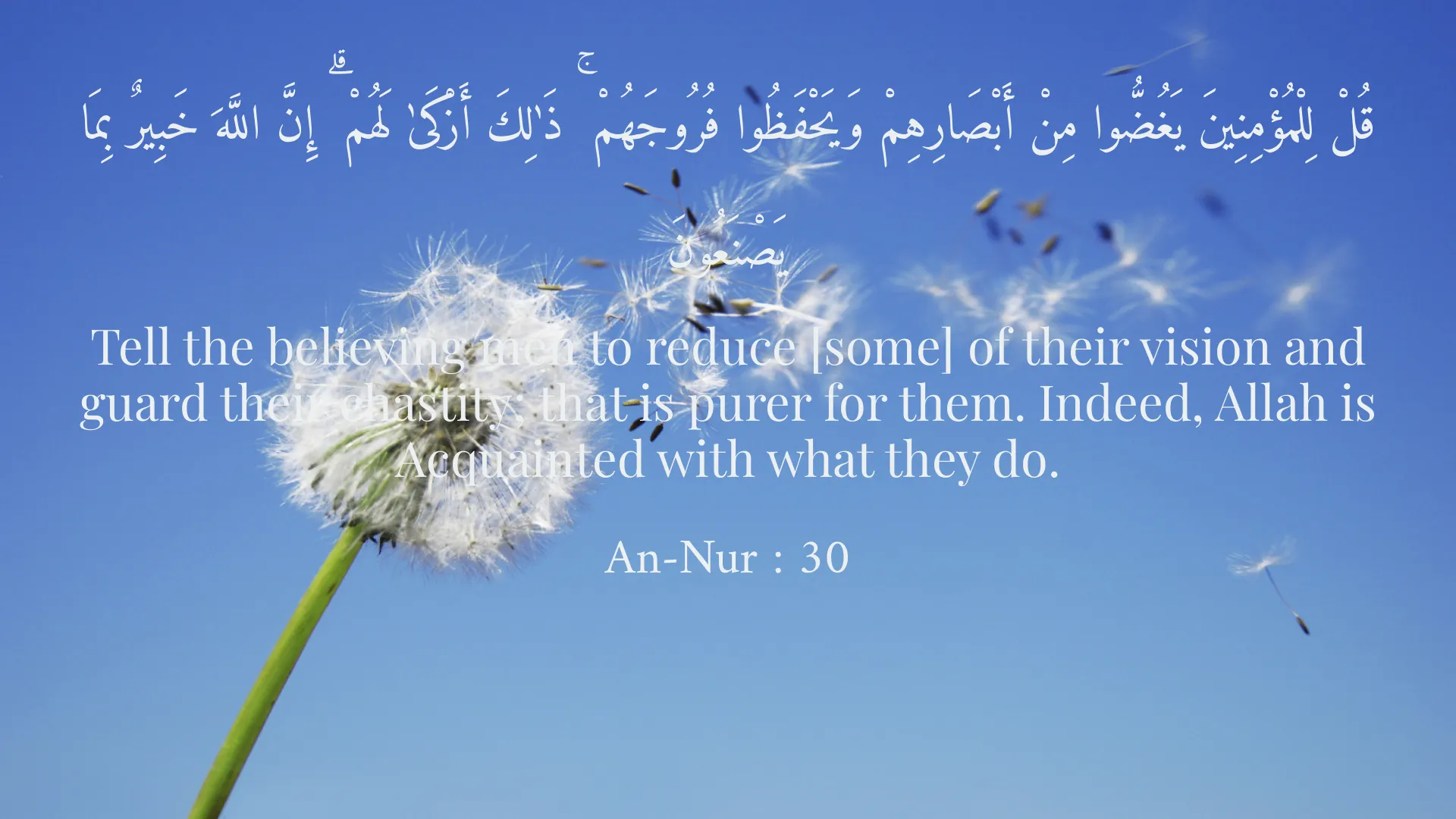
Chastity and righteousness are central themes in the Holy Quran, profoundly influencing the lives of true believers. These qualities are not merely moral directives; they encapsulate the essence of faith and serve as the foundational characteristics necessary for achieving a fulfilling spiritual journey. Throughout the Quran, several verses highlight the importance of chastity, emphasizing its significance in both personal development and the broader community. This article delves into the concept of chastity as presented in the Quran, its implications for believers, and how it fosters a virtuous society. One of the most salient references to chastity in the Quran occurs in Surah An-Nur (Chapter of Light), specifically in verse 30. In this verse, Allah commands the believing men: "Tell the believing men to reduce [some] of their vision and guard their chastity; that is purer for them." This verse serves as a direct instruction to believers, calling for them to exercise self-control and mindfulness in their interactions with others. The phrase "reduce [some] of their vision" implies the need for intentionality in how one perceives the world around them. By lowering their gaze, believers are prompted to direct their attention away from potentially sinful scenarios and towards their spiritual goals. The emphasis on guarding one's chastity is profound in this verse. Chastity, in this context, encompasses both physical and moral integrity. It is not merely a call to abstain from illicit sexual acts; rather, it extends to the broader scope of maintaining honesty, decency, and honor in all dealings. The directive is for men, but the underlying principle applies universally to both genders, reinforcing a collective responsibility amongst believers to uphold purity and virtue. This theme of purity is brilliantly articulated again in Surah Al-Baqarah (Chapter of the Cow), verse 187. Here, Allah states that fasting during the month of Ramadan serves to enhance piety and chastity. This connection between fasting and the cultivation of moral characteristics demonstrates an essential aspect of Islamic practice. Fasting is not merely a physical act of abstaining from food and drink; it is a holistic approach to enhancing one's spirituality. Through deprivation, believers develop greater self-discipline, learning to resist physical temptations and constraints. As they practice self-control within the realm of basic needs, this discipline naturally extends to various aspects of life, including relational fidelity and moral conduct. The communal aspect of chastity cannot be overlooked. A Muslim who maintains chastity contributes significantly to fostering virtue within their community. The Quran lays out an expectation that individual behavior transcends personal ramifications and extends into the social fabric. By modeling chastity and moral integrity, believers enhance the collective moral state of their surroundings. They participate in a virtuous cycle, inspiring one another to adhere to morality, creating an environment imbued with respect and righteousness. Moreover, in Surah Al-Imran (Chapter of the Family of Imran), verse 200, Allah reminds the believers to be steadfast and patient, urging them to place their hope in Him for success. This verse underscores the broader narrative of the believer's journey, reinforcing the importance of perseverance and resilience in the face of trials and temptations. Chastity and righteousness serve as anchors for believers as they navigate the complexities of life. By holding firm to these virtues, one cultivates a sense of hope that within the framework of faith, guidance and success are attainable. In addition to the personal benefits of chastity, its implications for the community's welfare are manifold. A chaste society is one characterized by respect, trust, and cooperation among its members. When individuals prioritize chastity, they create a safer and more harmonious environment. This eradication of temptation helps prevent a multitude of societal issues, such as infidelity, family breakdown, and consequential moral decay. Thus, chastity does not simply align with religious expectation; it serves as a practical mechanism for promoting peace and stability within the community. Furthermore, the Quran does not present chastity as an isolated virtue. Instead, it intertwines with other moral attributes such as honesty, generosity, and kindness. For instance, the holistic approach to faith emphasizes the importance of developing a comprehensive ethical framework, wherein chastity complements and strengthens other virtues. Discerning believers view chastity as part of a larger moral tapestry that, when woven together, depicts the true essence of what it means to live a righteous life. The concept of chastity challenges believers to confront their desires and transcends the immediate gratification of instinctual urges. The struggle to maintain chastity encapsulates the human experience of striving towards higher ideals. By embodying chastity, believers are not merely adhering to rules; they are engaging in an active journey toward spiritual elevation. They learn to navigate temptations with dignity and grace, thereby gaining a deeper understanding of themselves and their faith. In conclusion, chastity and the avoidance of sin are integral characteristics of true believers as reflected in the Holy Quran. Verses such as those found in Surah An-Nur, Surah Al-Baqarah, and Surah Al-Imran not only emphasize the importance of these attributes but affirm their role in guiding individuals toward fulfilling lives. Chastity promotes personal integrity and safeguards the sanctity of community life. It encompasses a broader spectrum of morality, urging believers to strive for righteousness in all aspects of life. As believers work towards maintaining their chastity, they embrace a profound opportunity for personal growth, social betterment, and spiritual fulfillment. Through this commitment, they carry forth the enduring message of faith and steadfastness, rallying against the odds in pursuit of a higher purpose.
Related Verses
قُلْ لِلْمُؤْمِنِينَ يَغُضُّوا مِنْ أَبْصَارِهِمْ وَيَحْفَظُوا فُرُوجَهُمْ ۚ ذَٰلِكَ أَزْكَىٰ لَهُمْ ۗ إِنَّ اللَّهَ خَبِيرٌ بِمَا يَصْنَعُونَ
Tell the believing men to reduce [some] of their vision and guard their chastity; that is purer for them. Indeed, Allah is Acquainted with what they do.
An-Nur : 30
أُحِلَّ لَكُمْ لَيْلَةَ الصِّيَامِ الرَّفَثُ إِلَى نِسَائِكُمْ هُنَّ لِبَاسٌ لَّكُمْ وَأَنتُمْ لِبَاسٌ لَّهُنَّ ۚ عَلِمَ اللَّهُ أَنَّكُمْ كُنتُمْ تَخْتَانُونَ أَنفُسَكُمْ فَتَابَ عَلَيْكُمْ وَعَفَا عَنكُمْ ۗ فَالْآنَ بَاشِرُوهُنَّ وَابْتَغُوا مَا كَتَبَ اللَّهُ لَكُمْ ۗ وَكُلُوا وَاشْرَبُوا حَتَّى يَتَبَيَّنَ لَكُمُ الْخَيْطُ الْأَبْيَضُ مِنَ الْخَيْطِ الْأَسْوَدِ مِنَ الْفَجْرِ ۖ ثُمَّ أَتِمُّوا الصِّيَامَ إِلَى اللَّيْلِ ۚ وَلَا تَجَادَلُوَهُنَّ فِي الْمَسَاجِدِ وَأَنْتُمْ هَـٰكِفُونَ فِي الْمَسَاجِدِ ۚ ذَٰلِكُمْ خَيْرٌ لَّكُمْ إِن كُنتُمْ تَعْلَمُونَ
It has been made permissible for you to have sexual relations with your wives on the night of the fast. They are clothing for you, and you are clothing for them. Allah knows that you used to deceive yourselves, so He accepted your repentance and forgave you. So now have relations with them and seek that which Allah has decreed for you. And eat and drink until the white thread of dawn becomes distinct from the black thread. Then complete the fast until the sunset. And do not have relations with them while you undertake the rites of Hajj. That is best for you, if you should know.
Al-Baqarah : 187
يَا أَيُّهَا الَّذِينَ آمَنُوا استَعِينُوا بِالصَّبْرِ وَالصَّلَاةِ ۚ إِنَّ اللَّهَ مَعَ الصَّابِرِينَ
O you who have believed, seek help through patience and prayer. Indeed, Allah is with the patient.
Al-Imran : 200
Short Story
Once upon a time, a man named Hassan was struggling against the temptations of sin. One day, as he walked through the market, he encountered a scene that invited him to sin. However, he remembered the Quranic verses urging him to maintain his chastity and seek God's companionship. Relying on Allah and recalling these verses, Hassan managed to pass through that moment and found a greater sense of peace. He realized how crucial chastity was in his life.