Quranic Answer
Servitude (bandegi) and devotion to Allah Almighty are not only the primary purpose of human creation but also the central core of one's spiritual life. This path is an infinite journey, continuing from birth until death, filled with challenges, temptations, and ups and downs. Maintaining consistency and steadfastness on this path of servitude has always been a major concern for spiritual seekers and those striving for truth. In today's world, which is replete with distractions and various pressures, how can we preserve our profound connection with the Creator of the universe and avoid deviating from the straight path of servitude? The Holy Quran, the book of guidance and light, offers practical and deep-seated solutions for maintaining consistency on this spiritual journey, through which one can achieve stability and steadfastness. Consistency in servitude goes beyond merely performing religious obligations and rituals; it encompasses the continuous presence of the heart in the divine presence, striving to gain His pleasure in all aspects of life, a constant struggle against the commanding self (nafs al-ammarah), and observing piety (taqwa) in both public and private. This is a lifestyle where every step requires continuous awareness, strong will, and complete reliance (tawakkul) on the eternal divine essence. Steadfastness on this path is the result of both inner and outer efforts, made possible only with divine aid and grace, and its roots must be sought in a deep understanding and application of the sublime Quranic teachings. 1. Seeking Aid through Patience (Sabr) and Prayer (Salat): One of the strongest pillars for maintaining consistency in servitude is the virtue of “Patience” (Sabr). In the Quranic perspective, patience does not merely mean enduring calamities and misfortunes; rather, it encompasses broader dimensions: patience in the face of sinful temptations and transgressions, patience in performing duties and acts of worship, even when they seem difficult, and patience in awaiting divine breakthroughs and mercies. The Holy Quran repeatedly calls believers to patience and steadfastness. In Surah Al-Baqarah, verse 153, it states: "O you who have believed, seek help through patience and prayer. Indeed, Allah is with the patient." This verse clearly demonstrates that patience and prayer are two powerful and complementary tools for maintaining consistency on the path of servitude. Without patience, one quickly falters in the face of adversities and temptations, succumbing to carnal desires. Patience empowers individuals to stay on the right path and avoid deviations. Prayer, as the pillar of religion and the ascension of the believer, is a continuous, daily connection with God that purifies the heart and strengthens the soul. This repeated and regular connection helps the servant renew their covenant with God daily, repent for past mistakes, and gain new strength for the future. Prayer serves as a constant reminder that keeps individuals from heedlessness and helps them remain steadfast on the path of servitude. It is not merely physical movements and repetitions of invocations; rather, it is an intimate conversation with the Lord. A sincere prayer, performed with full presence of heart, can be a tremendous driving force for avoiding sins and performing good deeds. Furthermore, consistent performance of supererogatory prayers, such as night prayers (Qiyam al-Layl), deepens one's connection with God, granting greater resilience and insight. Therefore, valuing prayer, especially prayer performed with sincerity and devotion, is a vital factor for sustained servitude and self-protection against lapses. This daily and frequent bond nurtures the soul and strengthens the will to move forward on the divine path. 2. Constant Remembrance of Allah (Dhikr) for Heart's Tranquility: The remembrance of Allah (Dhikr) is the nourishment for the soul and the solace for hearts. The Holy Quran points to this truth in Surah Ar-Ra'd, verse 28: "Those who have believed and whose hearts are assured by the remembrance of Allah. Unquestionably, by the remembrance of Allah hearts are assured." The remembrance of Allah is not limited to merely repeating verbal invocations; it also includes contemplating divine verses in the Quran, reflecting on the grandeur of creation, meditating on countless blessings, and maintaining God's constant presence in the mind and heart. When the remembrance of Allah takes root in the heart, individuals are freed from anxieties, worldly concerns, and satanic whispers, moving with greater tranquility and assurance towards perfection. This inner peace provides a suitable ground for steadfastness in acts of worship and ethical conduct. Constant remembrance acts like a protective fortress, safeguarding individuals from the evils of heedlessness and deviation, and reminding them that they are always under the watchful eye of the Lord. This continuous remembrance purifies intentions and directs actions, transforming servitude from a dry obligation into a lasting love. It empowers the believer to perceive the divine presence in every aspect of life, turning mundane activities into acts of worship when performed with a conscious intention for Allah's sake. 3. Piety and God-Consciousness (Taqwa) for Continuous Vigilance: Taqwa, meaning piety, self-restraint, and continuous vigilance against sins and everything that displeases Allah Almighty, is the primary and fundamental factor for maintaining consistency in servitude. In Surah Al-Imran, verse 102, the Holy Quran calls believers to the highest degrees of Taqwa: "O you who have believed, fear Allah as He should be feared and do not die except as Muslims [in submission to Him]." Taqwa is an ongoing inner awareness that compels individuals to consider Allah's pleasure or displeasure in every decision, every action, and every word. This vigilant sense ensures that one avoids slips and sins that disrupt the path of servitude and weaken the relationship with Allah. A pious person (Muttaqi) constantly seeks to gain Allah's pleasure and abstains from matters that lead to His wrath and punishment. Taqwa acts like a protective shield, guarding individuals against the arrows of temptation and deviation, and granting them insight to discern the right path from the wrong. Possessing Taqwa not only helps in maintaining consistency in acts of worship but also imbues one's entire life with the essence of servitude, turning every action, even worldly affairs, into an act of worship when performed with a pure divine intention. This continuous self-monitoring and vigilance over one's actions form the cornerstone for consistency and progress on the path of drawing closer to Allah. Conclusion: Ultimately, consistency on the path of servitude to Allah is a comprehensive and dynamic process that stems from a combination of internal and external factors. Patience and steadfastness in the face of difficulties and temptations, prayer as a continuous point of connection with the Lord and daily renewal of covenant, divine remembrance for the heart's tranquility and prevention of heedlessness, and Taqwa as a constant guardian and guide in all moments of life, are all essential strategies provided by the Holy Quran for maintaining stability on this path. These are not merely separate actions but components of a single puzzle that, when combined, transform servitude into a profound, enduring, and delightful experience. To maintain this consistency, one also needs continuous repentance and return to Allah after every slip, continuous self-refinement, and companionship with the righteous and pious. By adhering to these fundamental principles, which are rooted in divine revelation, we can hope to remain steadfast on the path of servitude and benefit from boundless divine graces. This path, more than requiring arduous physical austerities, demands a receptive heart, a firm will, and a spirit overflowing with love and hope for the Lord. Therefore, let us, with complete reliance on Allah and by utilizing the salvific teachings of the Quran, strengthen our steps on this path and remain steadfast in His servitude with all our being, to achieve eternal felicity.
Related Verses
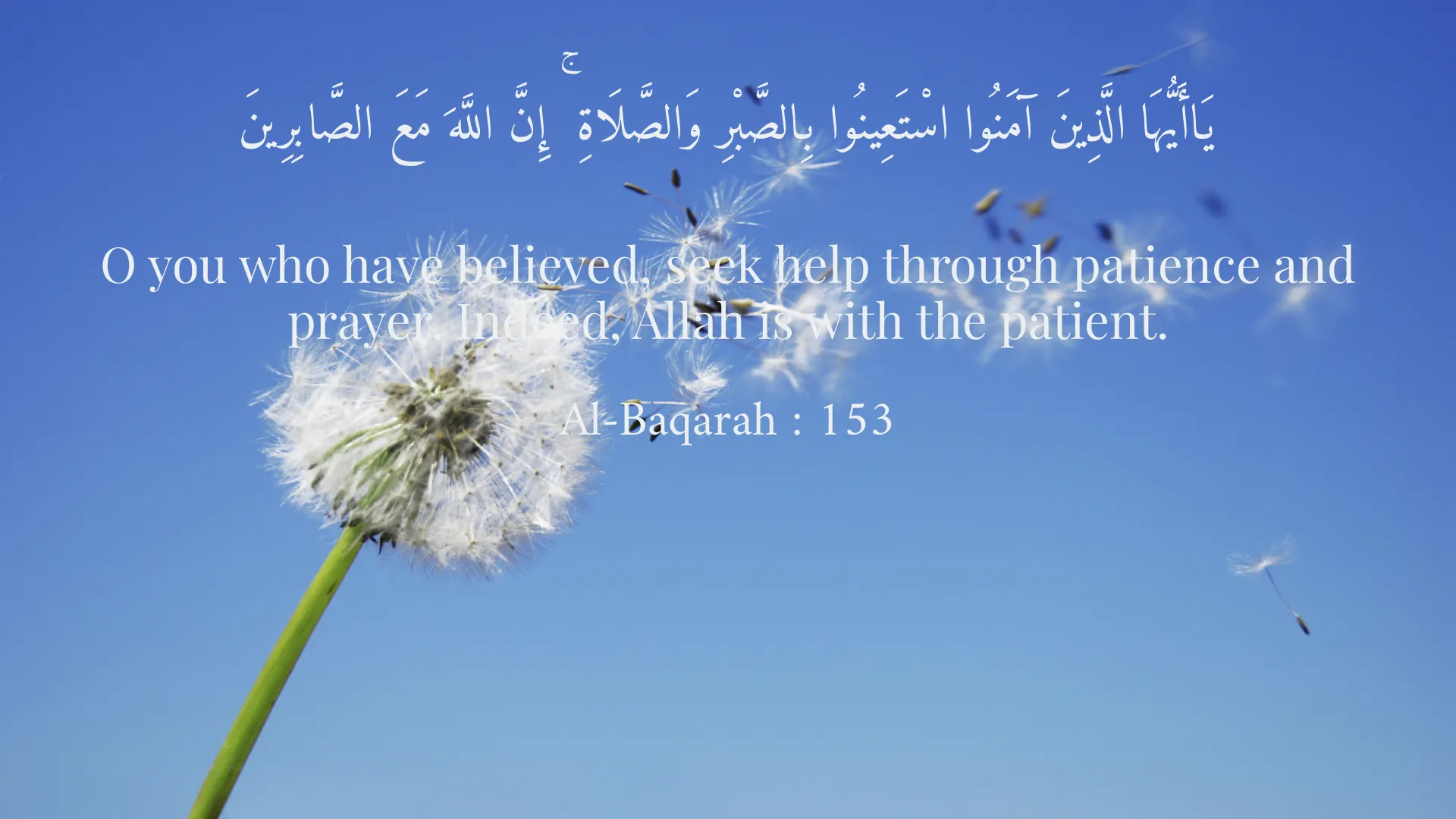
يَاأَيُّهَا الَّذِينَ آمَنُوا اسْتَعِينُوا بِالصَّبْرِ وَالصَّلَاةِ ۚ إِنَّ اللَّهَ مَعَ الصَّابِرِينَ
O you who have believed, seek help through patience and prayer. Indeed, Allah is with the patient.
Al-Baqarah : 153
الَّذِينَ آمَنُوا وَتَطْمَئِنُّ قُلُوبُهُم بِذِكْرِ اللَّهِ ۗ أَلَا بِذِكْرِ اللَّهِ تَطْمَئِنُّ الْقُلُوبُ
Those who have believed and whose hearts are assured by the remembrance of Allah. Unquestionably, by the remembrance of Allah hearts are assured.
Ar-Ra'd : 28
يَا أَيُّهَا الَّذِينَ آمَنُوا اتَّقُوا اللَّهَ حَقَّ تُقَاتِهِ وَلَا تَمُوتُنَّ إِلَّا وَأَنْتُم مُّسْلِمُونَ
O you who have believed, fear Allah as He should be feared and do not die except as Muslims [in submission to Him].
Al-Imran : 102
Short Story
It is narrated that in a certain era, there was a dervish who, despite living in poverty, would rise every night at midnight to engage in the remembrance and prayer of God. People would ask him, "O dervish, why do you need so much night vigil?" He would reply, "That drop of rain that continuously falls on a stone, though each drop seems insignificant, eventually drills a hole in the stone over time. My worship and servitude are likewise; perhaps in each moment they seem trivial, but their continuity and persistence illuminate the heart and draw the soul closer to the Truth." And through this very perseverance, this dervish attained a peace that kings yearned for and reached a profound understanding that transcended mere superficial knowledge, for he was steadfast in acting upon what he knew.