Quranic Answer
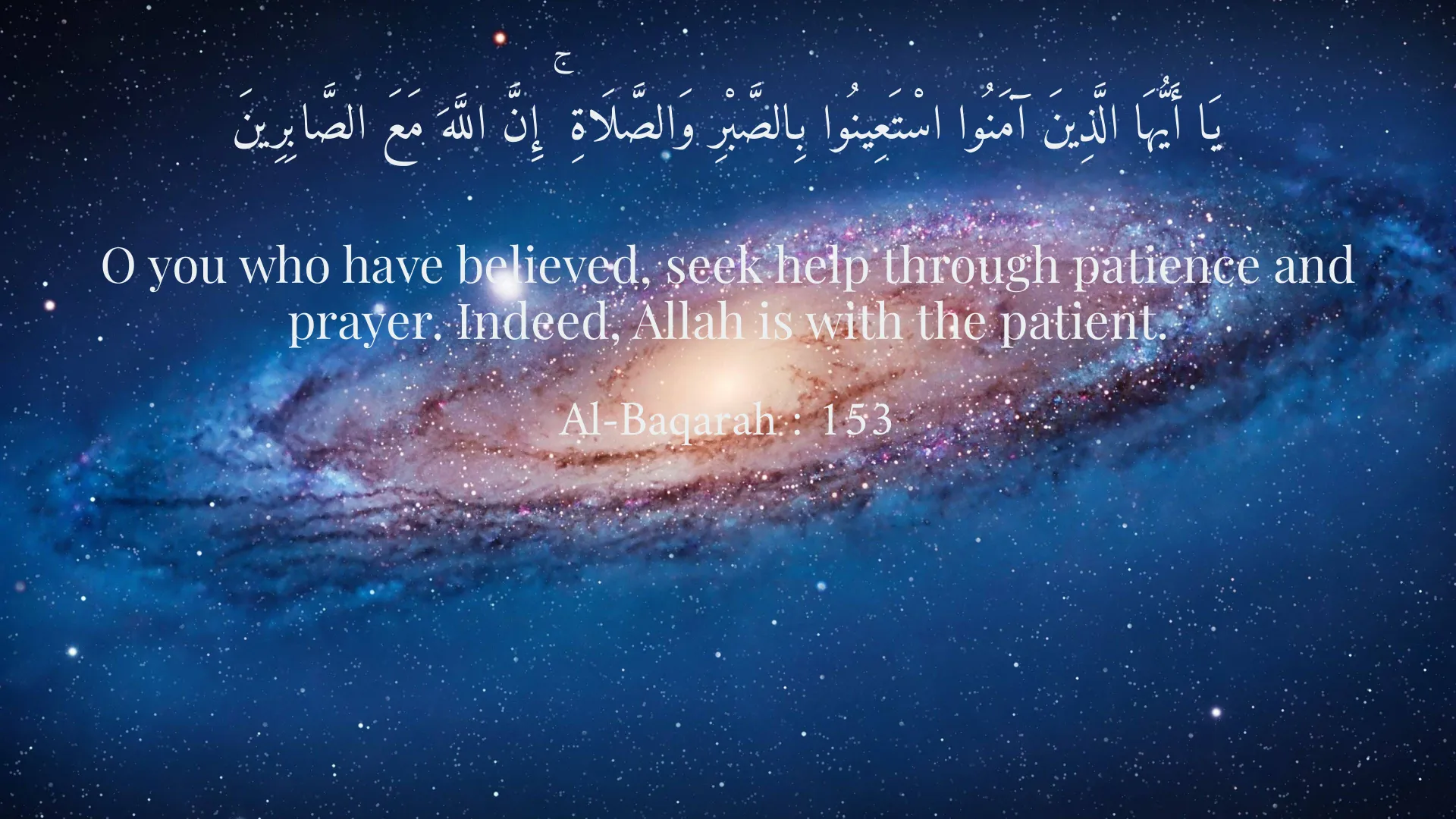
Family crises are an inevitable part of life and can present some of the most challenging tests to one's faith. Losing peace of mind, escalating tensions, feelings of hopelessness, and even guilt can all weigh heavily on a person's soul during such times. However, the Holy Quran, as a book of guidance and light, offers profound and comprehensive solutions for preserving faith and fostering spiritual growth in the face of such adversities and challenges. These strategies not only help you maintain your faith amidst the storms of family crises but can also transform these crises into opportunities for spiritual growth and drawing closer to Allah. The first and perhaps most crucial principle emphasized by the Quran is patience (Sabr). Patience is not merely passive endurance; rather, it is active forbearance, steadfastness in the face of difficulties, and refusal to surrender to despair. In Surah Al-Baqarah, verse 153, Allah states: "O you who have believed, seek help through patience and prayer. Indeed, Allah is with the patient." This verse highlights that patience is the key to resolving many problems and, alongside prayer, is a powerful tool for confronting hardships. In family crises, patience means controlling anger, refraining from harsh words, and not rushing into hasty decisions. Being patient allows us to act with contemplation and wisdom instead of emotional reactions, giving Allah the opportunity to bring about relief. Patience in awaiting relief, patience in enduring hardships, and patience in fulfilling one's duties are all dimensions of this great virtue. The more patient we are in facing family problems, the more logical and spiritual solutions we will find, and our faith will become stronger. Patience helps to maintain a calm demeanor, which is crucial for de-escalating conflicts and thinking clearly. It also helps in understanding that some situations take time to resolve, and immediate solutions may not always be available. This deep understanding of patience allows one to navigate complex family dynamics with a sense of inner peace and resilience, trusting that a way forward will eventually emerge from divine wisdom. The second pillar of preserving faith in crises is prayer (Salat) and supplication (Dua). Prayer is the pillar of religion and the believer's ascension. In critical moments when we feel lonely and helpless, prayer is a safe haven that connects us to the boundless source of power and tranquility: Allah Almighty. "Seek help through patience and prayer" reiterates that prayer is not just an obligation but a tool of assistance in hardships. Through prayer, we can present all our worries, fears, and pains to Allah and seek tranquility for our hearts. Sincere supplications and prayers in the dead of night or after each formal prayer possess immense power to change circumstances and bring peace to the soul. Often, family problems become so complex that human solutions alone are insufficient. It is here that reliance on Allah and seeking His help through dua works wonders, opening unexpected paths for us. The Quran states in Surah Al-Baqarah, verse 186: "And when My servants ask you concerning Me, then indeed I am near. I respond to the invocation of the supplicant when he calls upon Me." This verse ignites a light of hope in the heart of every believer, assuring them that under all circumstances, Allah is All-Hearing and will respond to their prayers. Regularly performing prescribed prayers not only fulfills a divine command but also provides a structured routine that brings stability and a sense of purpose during tumultuous times. It serves as a constant reminder of Allah's presence and our reliance on Him, fostering a profound sense of connection and solace that transcends worldly troubles. Reliance on Allah (Tawakkul) is another aspect of faith that is vital during crises. Tawakkul means entrusting one's affairs to Allah after exhausting all possible efforts. When we feel that there is nothing more we can do, entrusting the outcome to Allah lifts a heavy burden from our shoulders. Surah At-Talaq, verse 3, states: "And whoever relies upon Allah - then He is sufficient for him. Indeed, Allah will accomplish His purpose. Allah has already set for everything a [decreed] extent." This verse assures us that if we sincerely rely on Allah, He will be our best supporter and sustainer. In family crises, we may feel a loss of control over the situation. Tawakkul reminds us that we are merely means, and the ultimate power belongs to Allah. This perspective brings us peace and helps us surrender to Allah's wise will regarding matters beyond our control. Accepting divine decree, knowing that there is goodness in everything that comes from Him, greatly aids in preserving faith. This doesn't mean being passive; rather, it means taking all necessary and lawful steps, exerting one's best effort, and then leaving the final outcome to the Almighty, confident in His perfect plan. This profound level of trust can alleviate anxiety and empower individuals to face challenges with courage and fortitude. Constant remembrance of Allah (Dhikr) is one of the most powerful tools for maintaining peace and faith. The Holy Quran states in Surah Ar-Ra'd, verse 28: "Those who have believed and whose hearts are assured by the remembrance of Allah. Unquestionably, by the remembrance of Allah hearts are assured." Amidst family conflicts and suffering, the remembrance of Allah can be an anchor that stabilizes our being in a stormy sea. Reciting the Quran, engaging in Tasbih (Subhanallah, Alhamdulillah, Allahu Akbar, La ilaha illallah), and repeating divine invocations like "La hawla wa la quwwata illa billah" (There is no might nor power except with Allah) and "Hasbunallahu wa ni'mal Wakeel" (Allah is sufficient for us, and He is the best Disposer of affairs), are all ways that connect the heart to Allah and reduce distress and anxiety. Dhikr reminds us that Allah is always present and watching and never abandons His servants. This continuous remembrance gradually changes our perspective towards problems, enabling us to see the light of hope even in the most difficult circumstances. Engaging in Dhikr regularly creates a spiritual fortress around the believer, protecting them from negative thoughts and emotions that often accompany crises. It shifts focus from the immediate distress to the infinite power and mercy of Allah, providing a sense of comfort and stability. Furthermore, the Quran emphasizes the importance of good conduct, forgiveness, and reconciliation in family relationships. Even at the height of disputes, maintaining good manners and striving for peaceful resolution are signs of faith. In Surah An-Nisa, verse 35, Allah provides a practical solution for marital disputes: "And if you fear dissension between the two, send an arbitrator from his people and an arbitrator from her people. If they both desire reconciliation, Allah will cause agreement between them. Indeed, Allah is ever Knowing, Acquainted." This verse not only offers a consultative approach but also reminds us that a sincere intention for reconciliation is a factor in divine success. Forgiveness, even if the other party is at fault, shows nobility of spirit and strong faith, paving the way for reconciliation and improved relationships. The Quran states in Surah An-Nur, verse 22: "And let them pardon and overlook. Would you not like that Allah should forgive you?" This encouragement to forgive is not only for our own sake but also to gain Allah's pleasure and forgiveness. Practicing forgiveness in family settings can break cycles of resentment and open doors to healing and renewed connection. It requires humility and a deep understanding of human fallibility, but its spiritual rewards are immense, mirroring Allah's boundless mercy towards His creation. Finally, maintaining faith during family crises requires understanding the philosophy of divine tests. Problems and crises are opportunities for our faith to be tested, revealing our strengths and weaknesses. These trials help us become more patient, reliant on Allah, and grateful, and to understand the profound meaning of servitude. Every crisis, if viewed from a Quranic and faith-based perspective, can be a step towards spiritual ascension. True faith does not fully manifest itself in comfort and ease but rather reveals its essence during the crucible of events and hardships. By adopting a monotheistic view of events, we can understand that nothing happens in the world outside of Allah's will and wisdom. This perspective not only helps preserve faith but strengthens it, granting an individual a deeper insight into the purpose of creation and their place in the world. This holistic approach ensures that even amidst personal turmoil, one's spiritual compass remains true, guiding them towards peace and ultimately, success in both this life and the hereafter. In summary, to maintain faith during family crises, one must seek refuge in the foundational teachings of the Quran: practicing patience in the face of adversities, seeking solace and relief through prayer and supplication, completely relying on Allah after making all possible efforts, persistently engaging in the remembrance of Allah to stabilize the heart, and striving to uphold good character, forgiveness, and reconciliation in family relationships. These are the pillars that will preserve your faith in the stormiest moments of life and guide you to the shores of tranquility.
Related Verses
يَا أَيُّهَا الَّذِينَ آمَنُوا اسْتَعِينُوا بِالصَّبْرِ وَالصَّلَاةِ ۚ إِنَّ اللَّهَ مَعَ الصَّابِرِينَ
O you who have believed, seek help through patience and prayer. Indeed, Allah is with the patient.
Al-Baqarah : 153
الَّذِينَ آمَنُوا وَتَطْمَئِنُّ قُلُوبُهُم بِذِكْرِ اللَّهِ ۗ أَلَا بِذِكْرِ اللَّهِ تَطْمَئِنُّ الْقُلُوبُ
Those who have believed and whose hearts are assured by the remembrance of Allah. Unquestionably, by the remembrance of Allah hearts are assured.
Ar-Ra'd : 28
وَمَن يَتَوَكَّلْ عَلَى اللَّهِ فَهُوَ حَسْبُهُ ۚ إِنَّ اللَّهَ بَالِغُ أَمْرِهِ ۚ قَدْ جَعَلَ اللَّهُ لِكُلِّ شَيْءٍ قَدْرًا
And whoever relies upon Allah - then He is sufficient for him. Indeed, Allah will accomplish His purpose. Allah has already set for everything a [decreed] extent.
At-Talaq : 3
Short Story
One day, amidst the turbulent waves of life, a virtuous man named 'Faridun' faced a crisis in his home. Resentments and disputes swirled around him like a whirlpool, and his heart was filled with sorrow. Faridun, who had for years learned from the great masters of literature and wisdom, recalled a sweet anecdote from Saadi's Gulistan. One day, a king asked a dervish, 'What should I do to have a peaceful heart and be safe from the pain and suffering of life?' The dervish, with a gentle smile, replied: 'O King! Peace belongs to him whose heart is entrusted to God and who is patient with His decree. For every trial that comes from the Beloved is truly a gift, and behind every hardship, there is a hidden relief.' Hearing this anecdote, a light ignited in Faridun's heart. He understood that family crises are also divine tests and must be overcome with patience and reliance on God. He decided, with a heart full of love and forgiveness, to seek solutions and not forget the remembrance of God at every step. And indeed, when he entrusted his heart to Him, a profound peace flowed into his soul, and the light of hope began to shine in his home, for 'Patience is bitter, but its fruit is sweet.'