Quranic Answer
Maintaining faith and religious values in a workplace where religious principles are diluted or absent is a significant challenge for many believers. However, the Holy Quran provides comprehensive principles and guidelines that can illuminate our path in any environment, including professional settings. Islam is a holistic religion that encompasses every aspect of a believer's life—personal, social, worship, and dealings. Therefore, our faith should not be confined to a specific time or place but should flow through every moment and every space, including the workplace. The Quran teaches us that Taqwa, or God-consciousness and piety, must be observed not only in the mosque or at home but also in the marketplace, at work, and in daily interactions. This Taqwa helps us consistently resist temptations and environmental pressures, ensuring we do not deviate from the path of righteousness. One of the most vital tools the Quran introduces for preserving faith in challenging circumstances is patience (Sabr) and prayer (Salat). In Surah Al-Baqarah, verse 153, Allah states: “O you who have believed, seek help through patience and prayer. Indeed, Allah is with the patient.” In a non-religious work environment, you might encounter behaviors that contradict your religious values, or face pressures to conform to secular norms. In such situations, Sabr means endurance, steadfastness, and unwavering commitment to principles. Prayer, too, is a sanctuary that provides spiritual tranquility and strengthens our connection with the ultimate source of power, Allah. Performing daily prayers on time, even if it requires planning or finding a suitable space at work, is an act of worship that fortifies our faithful identity and reminds us of our ultimate purpose in life. This continuous connection with God empowers individuals to withstand non-religious environments and safeguard their values. Furthermore, the Quran places significant emphasis on good conduct (Husn al-Khuluq) and treating people kindly, regardless of their religion or beliefs. In Surah An-Nahl, verse 90, it is stated: “Indeed, Allah enjoins justice and good conduct and giving to relatives and forbids immorality and bad conduct and oppression. He admonishes you that perhaps you will be reminded.” This verse is a general directive for a believer's behavior in any society. In the workplace, acting justly, with honesty, trustworthiness, and performing tasks with the utmost quality, is not only a sign of professionalism but also the best form of practical Da'wah (inviting to Islam). When non-Muslim colleagues witness your faith manifest in honesty, diligence, respect for others, and adherence to ethical principles, this itself will be the best testament to the beauty and truth of your religion. This approach helps you be influential without needing direct religious discussions, while simultaneously strengthening your faith through righteous actions. It is crucial for a believer not to lose their identity or be swayed by incompatible norms. In Surah Al-Furqan, verse 63, the qualities of the servants of the Most Merciful are mentioned: they walk on the earth with humility, and when the ignorant address them, they say words of peace. This indicates that while maintaining respect and positive interaction, we must refrain from engaging in discussions or actions that could harm our faith. This does not imply isolation but rather intelligent boundary-setting and preserving one's authenticity. The remembrance of Allah (Dhikr) at every moment, even inwardly and subtly, can keep our faith alive. “Those who have believed and whose hearts are assured by the remembrance of Allah. Unquestionably, by the remembrance of Allah hearts are assured.” (Ar-Ra'd: 28). This constant remembrance helps us not to forget our ultimate goal amidst worldly preoccupations and to maintain our inner peace. Ultimately, maintaining faith in a non-religious workplace requires vigilance, steadfastness, and reliance upon Allah. By emulating the teachings of the Quran regarding patience, prayer, good conduct, and constant remembrance of Allah, we can not only preserve our faith but also become an example of Islamic virtue and ethics for those around us. This path demands continuous effort and renewal of intentions, but with reliance on Allah and adherence to His commands, it is entirely achievable. It is important not to view our faith as a separate aspect of life but as the core of all our activities and interactions. This approach helps us live faithfully in any environment, including the workplace, and gain the pleasure of Allah.
Related Verses
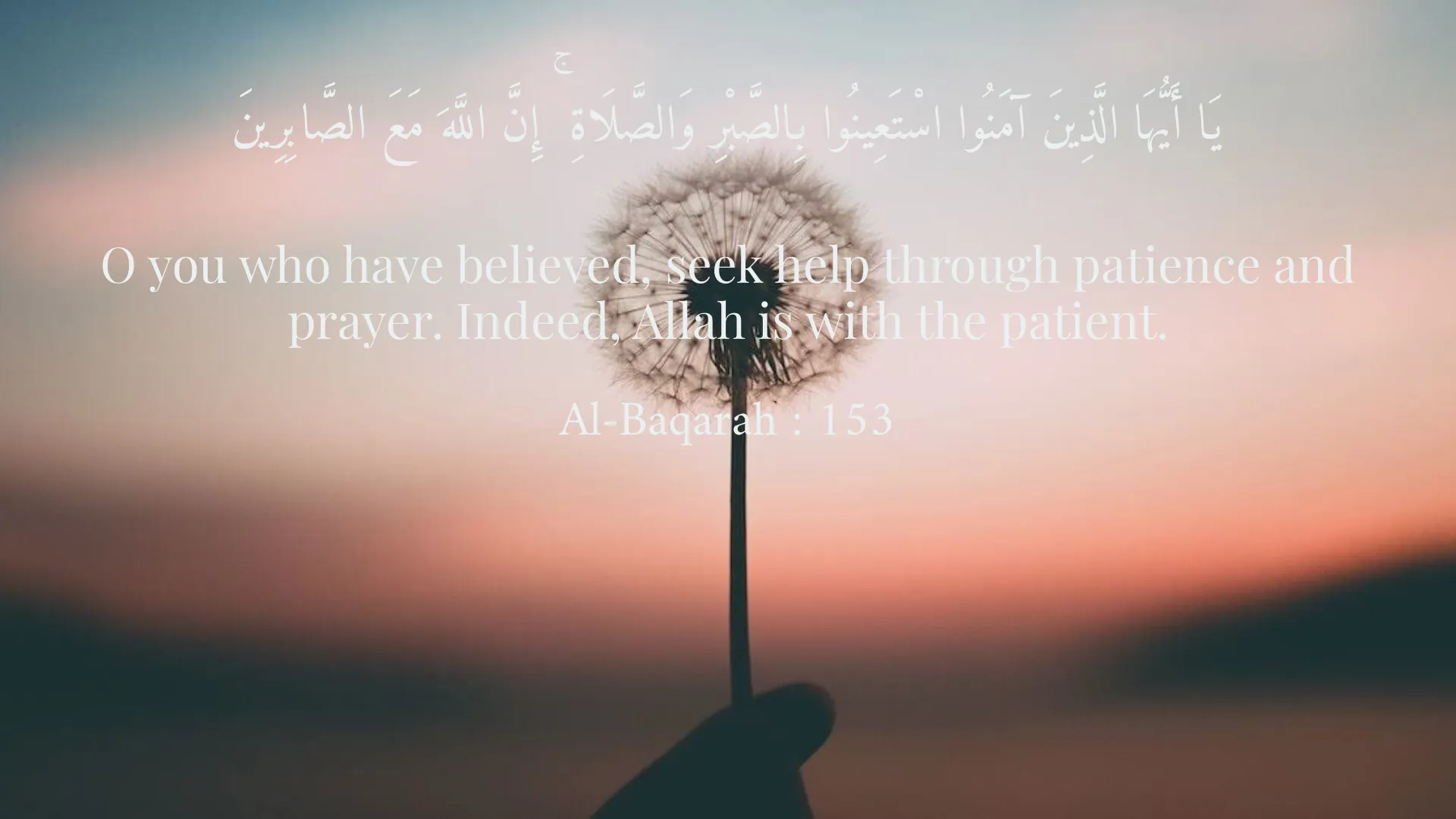
يَا أَيُّهَا الَّذِينَ آمَنُوا اسْتَعِينُوا بِالصَّبْرِ وَالصَّلَاةِ ۚ إِنَّ اللَّهَ مَعَ الصَّابِرِينَ
O you who have believed, seek help through patience and prayer. Indeed, Allah is with the patient.
Al-Baqarah : 153
إِنَّ اللَّهَ يَأْمُرُ بِالْعَدْلِ وَالْإِحْسَانِ وَإِيتَاءِ ذِي الْقُرْبَىٰ وَيَنْهَىٰ عَنِ الْفَحْشَاءِ وَالْمُنْكَرِ وَالْبَغْيِ ۚ يَعِظُكُمْ لَعَلَّكُمْ تَذَكَّرُونَ
Indeed, Allah enjoins justice and good conduct and giving to relatives and forbids immorality and bad conduct and oppression. He admonishes you that perhaps you will be reminded.
An-Nahl : 90
الَّذِينَ آمَنُوا وَتَطْمَئِنُّ قُلُوبُهُم بِذِكْرِ اللَّهِ ۗ أَلَا بِذِكْرِ اللَّهِ تَطْمَئِنُّ الْقُلُوبُ
Those who have believed and whose hearts are assured by the remembrance of Allah. Unquestionably, by the remembrance of Allah hearts are assured.
Ar-Ra'd : 28
Short Story
It is narrated in Saadi's Golestan that there was a just king who always regarded his subjects with fairness. His vizier asked him, "O King, how is it that amidst all these worries and governmental responsibilities, your heart is always at peace and your soul at ease?" The king replied, "O Vizier, I have found this peace because I have never tied my heart to worldly affairs, and every action I perform is with the intention of pleasing the Truth and for the welfare of the people. Although I am among the people of the world, my heart is not attached to the world. Whenever a task is entrusted to me, I perform it with utmost honesty and diligence, not for the praise of people, but because I know that God is observing our deeds. This liberates me from the clamor of the world and keeps me committed to my primary duty, which is servitude and service." This anecdote teaches us that although we work in various environments, our hearts must always be connected to the Creator, and the intention of our actions must be divine. This inner connection keeps us steadfast and serene in any environment.