Quranic Answer
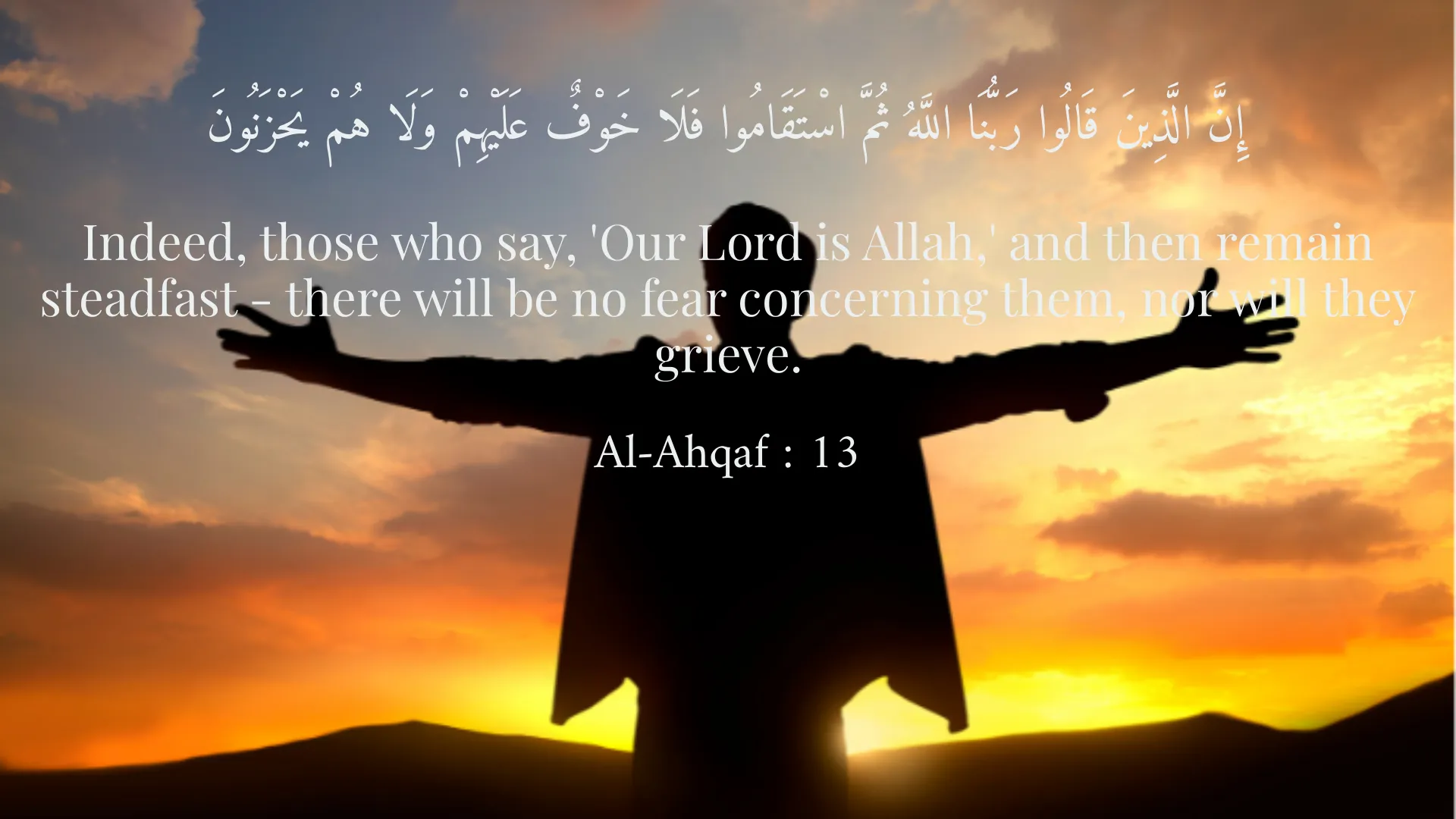
Maintaining and stabilizing inner changes, especially those leading towards spiritual perfection and well-being, is one of the most significant challenges on the path of self-improvement. The Holy Quran, as a divine guide, offers comprehensive and profound strategies for achieving this stability and permanence. These teachings are founded upon principles that not only facilitate change but also ensure the durability and steadfastness of these positive transformations within the human being. One of the most fundamental Quranic concepts in this regard is "Istiqamah," which signifies steadfastness, firmness of foot, and unwavering adherence to the path of truth and righteousness. Allah Almighty, in numerous verses, invites believers to Istiqamah and presents it as a sign of true faith and a means to attain tranquility and success. For instance, in Surah Al-Ahqaf, verse 13, it states: "Indeed, those who say, 'Our Lord is Allah,' and then remain steadfast - there will be no fear concerning them, nor will they grieve." This verse clearly indicates that Istiqamah, after acknowledging monotheism, is the key to peace and freedom from fear and sorrow. Istiqamah is not merely about steadfastness in faith; it also encompasses consistency in good deeds, avoidance of sin, and adherence to moral and human values. To solidify inner changes, one must transform Istiqamah into a permanent habit and practice in life. This requires spiritual struggle (jihad an-nafs), resisting temptations, and persistently adhering to the right path, even when facing challenges and difficulties. Consistency in acts of worship and obedience is another key factor in stabilizing inner changes. Prayer (Salat), fasting (Sawm), charity (Zakat), and other acts of worship are not only means of drawing closer to Allah but also serve as pillars that keep the inner structure of a person strong and stable. In Surah Al-Baqarah, verse 153, the Quran commands believers: "O you who have believed, seek help through patience and prayer. Indeed, Allah is with the patient." This verse establishes a deep connection between patience (meaning perseverance and resilience) and prayer, indicating that prayer is a powerful tool for strengthening inner patience and steadfastness. Regularity in daily prayers, recitation of the Quran, and remembrance (Dhikr) and supplication create a strong fortress against emotional fluctuations and external factors, helping an individual remain firm on the path of perfection. The remembrance of Allah (Dhikr) is one of the most effective ways to establish inner peace and stability of the heart. The human heart is naturally fluctuating and unstable and can easily be affected by events and temptations. The Holy Quran states in Surah Ar-Ra'd, verse 28: "Those who have believed and whose hearts are assured by the remembrance of Allah. Unquestionably, by the remembrance of Allah hearts are assured." Dhikr, whether through Quran recitation, remembering Allah's names and attributes, or contemplating His signs, brings tranquility to the heart and stabilizes it on the path of truth. This inner peace provides the groundwork for preserving positive changes and resisting a return to undesirable habits. Another significant factor in stabilizing inner changes is continuous "Tawbah (repentance) and Istighfar (seeking forgiveness)." Humans are prone to error and may stumble even after making positive changes. The Holy Quran always keeps the door open for return and correction. Tawbah means returning from sin and regretting past actions, and Istighfar means seeking forgiveness from Allah. This act not only purifies sins but also gives a person the opportunity to start anew and continue the path of self-improvement with renewed motivation. "Tawbah Nasuh" (sincere repentance), mentioned in the Quran, refers to repentance that prevents a person from returning to sin and helps in stabilizing inner changes. "Taqwa" (God-consciousness) also plays a fundamental role in the permanence of inner changes. Taqwa means self-restraint and observing divine limits in all aspects of life. A God-conscious person is always mindful of their actions and intentions and avoids anything that leads to distance from Allah. This continuous vigilance helps to establish good qualities and avoid moral vices, preventing a return to the previous state. Finally, it must be noted that maintaining inner changes is a continuous and ongoing process that requires constant effort and struggle. One should not become complacent or assume that they have reached the ultimate stage of perfection. Instead, one must always be in a state of growth, learning, and self-correction. The Holy Quran portrays life as a dynamic and forward-moving journey where every moment is an opportunity to improve and draw closer to Allah. By relying on Istiqamah, Sabr, Dhikr, Tawbah, and Taqwa, these changes can be deeply ingrained within one's being, leading to true stability on the divine path. This path is an endless journey towards light and tranquility, which is only possible through steadfastness and seeking help from Allah's infinite power. Therefore, to preserve any positive inner transformation, one must adhere to these Quranic principles and weave them into the fabric of their life so that these changes are not merely temporary but become an inseparable part of one's identity, keeping them firm on the straight path under all circumstances.
Related Verses
إِنَّ الَّذِينَ قَالُوا رَبُّنَا اللَّهُ ثُمَّ اسْتَقَامُوا فَلَا خَوْفٌ عَلَيْهِمْ وَلَا هُمْ يَحْزَنُونَ
Indeed, those who say, 'Our Lord is Allah,' and then remain steadfast - there will be no fear concerning them, nor will they grieve.
Al-Ahqaf : 13
يَا أَيُّهَا الَّذِينَ آمَنُوا اسْتَعِينُوا بِالصَّبْرِ وَالصَّلَاةِ إِنَّ اللَّهَ مَعَ الصَّابِرِينَ
O you who have believed, seek help through patience and prayer. Indeed, Allah is with the patient.
Al-Baqarah : 153
الَّذِينَ آمَنُوا وَتَطْمَئِنُّ قُلُوبُهُم بِذِكْرِ اللَّهِ ۗ أَلَا بِذِكْرِ اللَّهِ تَطْمَئِنُّ الْقُلُوبُ
Those who have believed and whose hearts are assured by the remembrance of Allah. Unquestionably, by the remembrance of Allah hearts are assured.
Ar-Ra'd : 28
Short Story
They say that in days gone by, in a distant city, there lived a young man named 'Muhsin' who yearned for change and aspired to moral virtues. He decided to abandon all evils and embark on the path of goodness. However, after some time, the breeze of temptation and the whirlwind of heedlessness almost led him astray. A wise Shaykh, whom Muhsin knew well, told him: 'O young man, a true tree is one that is unaffected by strong winds and has firm roots in the soil. Inner change is likewise; if its roots are not strengthened in your heart with the remembrance of God and righteous deeds, every wind will blow it in a different direction.' Muhsin took heed of this advice and vowed to dedicate his heart to the remembrance of Truth more and more each day, and to remain steadfast in good deeds. Soon, people observed that Muhsin was no longer that wavering youth, but had become like a firm mountain that no temptation could shake. This steadfastness of his was not due to physical strength, but from the power of his heart and his inner stability, which was achieved with divine help.