Quranic Answer
The Holy Quran, revered by millions around the world, offers profound wisdom for those grappling with the myriad challenges that life can present. In moments of crisis, the Quran provides guidance on how to navigate through difficult times by emphasizing the virtues of faith and patience. As stated in Surah Al-Baqarah, verse 153, the verse encourages believers to seek assistance through patience and prayer: "O you who have believed, seek help through patience and prayer. Indeed, Allah is with the patient." This fundamental principle resonates deeply, underscoring the importance of maintaining one's spiritual integrity and composure when faced with adversity. Patience, or 'Sabr' in Arabic, is not merely a passive acceptance of hardship. It is an active, conscious decision to endure trials with steadfastness, preserving one's faith in the face of doubt and despair. The Quran emphasizes that patience is accompanied by prayer, intertwining the act of supplication with resilience. Through the act of praying, believers reaffirm their connection to God, recognizing that they are not alone in their struggles; indeed, Allah promises to stand by those who remain patient. Moreover, Surah Al-Imran, verse 139, further reassures us by stating: "And never lose hope or grieve." This poignant reminder serves to encourage individuals to maintain hope even in the bleakest of circumstances. Despair can be an insidious adversary during tough times, but the Quran brings forth a message that counters this tendency. God’s words gently remind us that without the light of hope, one’s spirit may falter, but with faith, every dark tunnel has an end. During crises, many individuals find solace in prayer and supplication, rekindling their faith and seeking divine guidance. Reflecting on the blessings that have been bestowed can serve as a powerful reminder of God’s generosity and mercy. This reflection not only fosters gratitude but also reinforces a positive mindset amidst challenges. When believers acknowledge their blessings, it brings comfort, helping to alleviate feelings of uncertainty and fear. In addition to personal faith, one crucial aspect of weathering storms is the value of community and relationships. Human connections can be a profound source of support and kindness during hardship. Engaging with family and friends, sharing experiences, and seeking counsel can uphold one's spirits. These relationships act as a buffer against the isolating feelings that often accompany personal crises, reminding us that we are part of a larger tapestry of humanity where collective strength can be harnessed. The Quran also emphasizes the importance of knowledge and wisdom during challenging times. Seeking understanding and learning from difficult experiences can cultivate resilience. It encourages believers to reflect on their circumstances and extract valuable lessons that contribute to personal growth. The act of learning—whether through religious texts, community dialogue, or personal introspection—further bolsters the mind against future adversities. The interplay of faith, patience, supplication, and community creates a robust framework for managing life's challenges. The Quran suggests a multi-faceted approach, encompassing both the spiritual and practical realms. Seeking help from God through prayer is paralleled by the necessity of human interaction and self-reflection. Recognition of the transient nature of crises is another significant factor in maintaining morale. History teaches us that tough times do not last; rather, they are often precursors to growth and enlightenment. The Quran reassures us that such challenges are a part of life’s journey. In the metaphorical sense, crises are akin to storms that eventually dissipate, revealing brighter skies ahead. Believers are encouraged to view their trials through the lens of hope and faith, understanding that light typically follows darkness. Furthermore, the emphasis on patience signifies that endurance will be rewarded. Developing strength through trials can produce a sense of appreciation for life’s joys when they do return. It is crucial to retain a long-term perspective, recognizing that today’s struggles may lead to tomorrow’s successes. The essence of this teaching aligns with the overall theme in the Quran: trials are a test of faith, but they are infused with divine wisdom intended for growth. In conclusion, the guidance of the Holy Quran provides a well-rounded strategy for dealing with life’s crises, reinforcing the notions of faith, patience, prayer, and community support. By relying on these principles, believers can navigate their challenges with dignity and grace. Life's adversities, as daunting as they may seem, are temporary. By placing trust in God, engaging in meaningful prayer, fostering supportive relationships, and embracing the lessons learned through hardships, one can emerge from crises not only intact but also strengthened. The promise of brighter days ahead serves as a beacon of hope, sustaining the spirit even in the darkest hours.
Related Verses
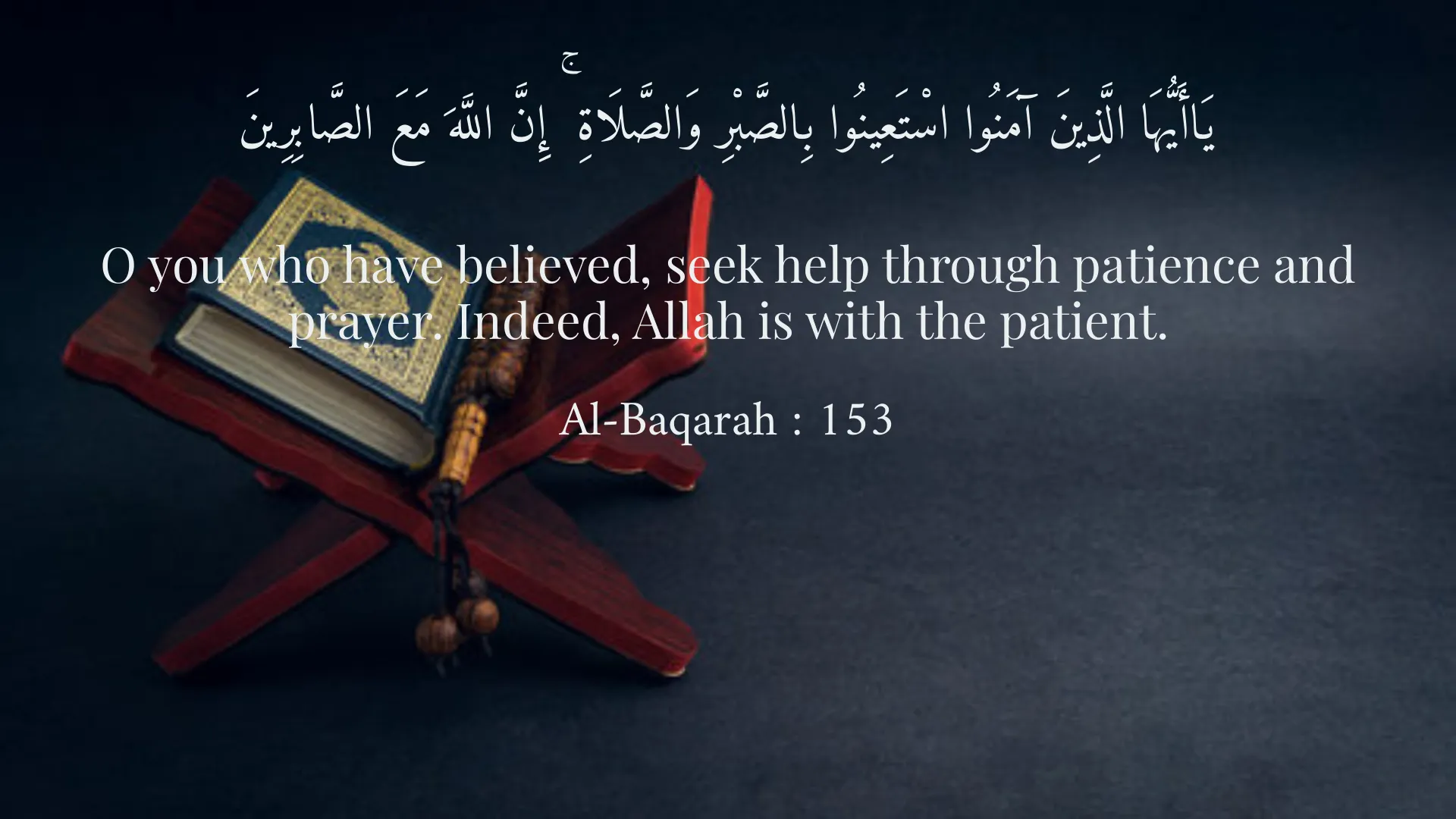
يَاأَيُّهَا الَّذِينَ آمَنُوا اسْتَعِينُوا بِالصَّبْرِ وَالصَّلَاةِ ۚ إِنَّ اللَّهَ مَعَ الصَّابِرِينَ
O you who have believed, seek help through patience and prayer. Indeed, Allah is with the patient.
Al-Baqarah : 153
وَلَا تَهِنُوا وَلَا تَحْزَنُوا وَأَنْتُمُ الْأَعْلَوْنَ إِن كُنتُمْ مُؤْمِنِينَ
And never lose hope or grieve, and you will be superior if you are [true] believers.
Al-Imran : 139
Short Story
One day, Ali saw the crises of life in his heart and felt worried. He remembered the verses of the Quran and decided to turn to God in these hard moments. He started praying and supplicating, and after some time, he felt a deep sense of peace. His friends supported him, and he realized that crises could not break his spirit.