Quranic Answer
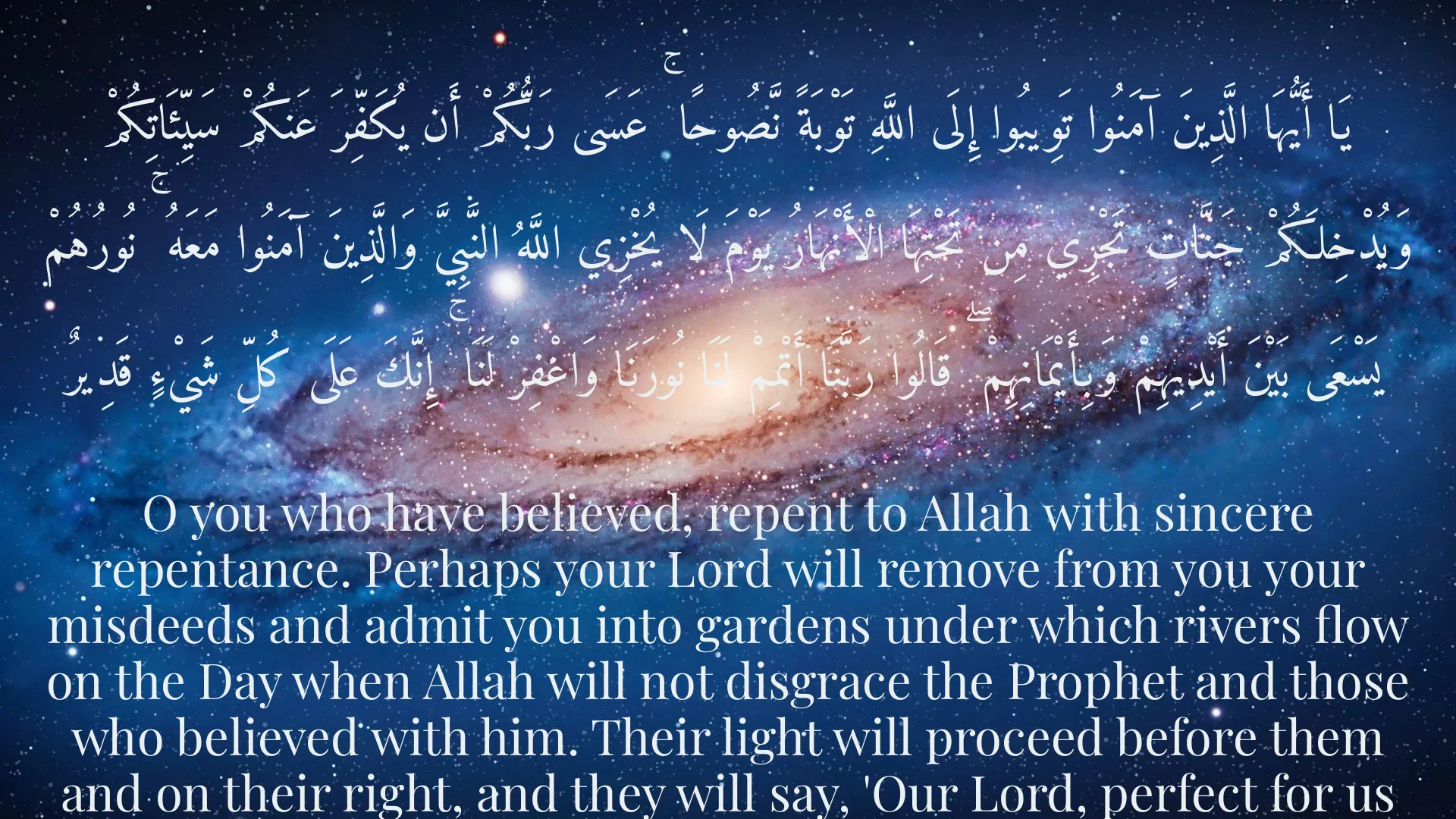
Repentance, known as 'Tawbah' in Arabic, holds profound significance in Islam as it serves as a spiritual act that engenders a return to the Divine. The concept of repentance is woven deep into the fabric of Islamic teachings, emphasizing not only individual accountability but also the mercy of Allah. This article delves into the multifaceted nature of repentance in Islam, showcasing its spiritual importance, the steps involved, and the unique relationship it fosters between the believer and God. ### Understanding Repentance in Islam Repentance is a sincere acknowledgment of wrongdoing, an essential act that fosters a sense of humility and a renewed commitment to righteousness. Within the Quran, the act of repentance is consistently highlighted as a means to achieve nearness to God. A key aspect of repentance is understanding one's sins and feeling genuine remorse for past actions. The Holy Quran lays a profound foundation for this principle. In Surah At-Tahreem, verse 8, Allah explicitly commands, 'O you who have believed, repent to Allah with sincere repentance.' This call not only sets the tone for individual piety but also reflects the Islamic doctrine of love and mercy, showcasing Allah's willingness to forgive those who sincerely seek His pardon. ### The Initial Steps of Repentance To embark on the journey of true repentance, one must first recognize and acknowledge their sins. This self-awareness is imperative as it catalyzes sincere regret and prevents complacency in one's spiritual state. The regret felt by an individual is crucial; it should stem from an understanding of how their actions may have led them away from the creator and negatively impacted their spiritual well-being. The journey does not end with mere recognition. As the Quran illustrates, the believer is encouraged to accompany this recognition with a firm commitment to alter their behaviors. Surah Al-Baqarah, verse 54 states, 'Then turn to your Lord in repentance.' This verse encapsulates the essence of action following acknowledgment, where turning back to God signifies a physical and spiritual redirection towards righteous living. ### The Continuous Nature of Repentance Islam teaches that the door of repentance is perpetually open. As fallible beings, humans may err repeatedly. Yet, the notion of despair is foreign to the Islamic worldview. Despair does not have a place in the hearts of those who sincerely seek forgiveness. The Quran encourages believers to approach Allah, regardless of the enormity of their sins, with the hope that He will receive them with open arms. This act fosters a profound sense of hope and motivates individuals to maintain a strong relationship with their Creator. ### The Importance of Good Deeds True repentance is not merely verbal; it necessitates action. A significant component of this process involves compensatory actions, which include engaging in good deeds and rectifying previous wrongdoings. The Quran emphasizes this aspect, where it shares the principle that positive actions can replace negative ones. In Surah Al-Furqan, verse 70, Allah states, 'Except for those who repent, believe, and do righteous work. For them Allah will replace their evil deeds with good.' This underscores that while one may have erred, they are still able to transform their spiritual status through sincere repentance and subsequent good actions. ### The Role of Intention A crucial element of true repentance is the intention behind it. One must have a genuine desire to turn away from past sins and a firm resolve not to return to them. This internal commitment is not only a reflection of faith but also an acceptance of accountability, where the individual acknowledges their shortcomings and makes a concerted effort to improve. It plays a pivotal role in the efficacy of the repentance process. In essence, it transforms repentance from a solitary act of confession into an enduring commitment to spiritual growth. ### The Psychological Benefits of Repentance Engaging in true repentance offers numerous psychological benefits. It allows for the release of guilt and shame associated with past actions. By confronting one's wrongdoings, individuals can achieve mental clarity and emotional relief. The act of confessing sins and seeking forgiveness cultivates a sense of peace and solace, mitigating the mental turmoil that often accompanies feelings of regret. Additionally, the communal aspect of repentance, where individuals often seek guidance and support from fellow believers or mentors, fosters a strong sense of community and belonging. ### Repentance as a Continuous Personal Journey Furthermore, repentance is a continual process rather than a one-time event. Believers are encouraged to engage in self-reflection and regularly assess their actions and intentions. This ongoing journey requires persistence and perseverance, as spiritual growth is not a destination but rather an evolving path. As individuals strive to maintain their connection with Allah, they can find strength and encouragement in the collective pursuit of righteousness within their community. ### Conclusion In conclusion, repentance in Islam is a dynamic and transformative spiritual act that fosters an intimate reconciliation with God. It emphasizes self-awareness, sincere remorse, and a determined commitment to improving oneself. The Quran reinforces the belief that no matter how grave one’s past actions may seem, the doors of repentance are always ajar and filled with divine mercy. Ultimately, true repentance is not confined to mere words but encompasses intention, action, and a commitment to righteousness. By embarking on this journey, individuals not only seek forgiveness but also cultivate inner peace, renewed faith, and a meaningful relationship with their Creator. Through true repentance, believers can hope to attain guidance and reassurance on their spiritual path, ultimately leading to a life enriched with purpose and fulfillment.
Related Verses
يَا أَيُّهَا الَّذِينَ آمَنُوا تَوِيبُوا إِلَى اللَّهِ تَوْبَةً نَّصُوحًا ۚ عَسَى رَبُّكُمْ أَن يُكَفِّرَ عَنكُمْ سَيِّئَاتِكُمْ وَيُدْخِلَكُمْ جَنَّاتٍ تَجْرِي مِن تَحْتِهَا الْأَنْهَارُ يَوْمَ لَا يُخْزِي اللَّهُ النَّبِيَّ وَالَّذِينَ آمَنُوا مَعَهُ ۚ نُورُهُمْ يَسْعَى بَيْنَ أَيْدِيهِمْ وَبِأَيْمَانِهِمْ ۖ قَالُوا رَبَّنَا أَتْمِمْ لَنَا نُورَنَا وَاغْفِرْ لَنَا ۚ إِنَّكَ عَلَى كُلِّ شَيْءٍ قَدِيرٌ
O you who have believed, repent to Allah with sincere repentance. Perhaps your Lord will remove from you your misdeeds and admit you into gardens under which rivers flow on the Day when Allah will not disgrace the Prophet and those who believed with him. Their light will proceed before them and on their right, and they will say, 'Our Lord, perfect for us our light and forgive us. Indeed, You are over all things competent.'
At-Tahreem : 8
وَإِذْ قَالَ مُوسَىٰ لِقَوْمِهِ يَٰقَوْمِ إِنَّكُمْ ظَلَمْتُمْ أَنفُسَكُمْ بِاتِّخَاذِكُمُ الْعِجْلَ فَتُوبُوا إِلَى بَارِئِكُمْ فَاقْتُلُوا أَنفُسَكُمْ ۚ ذَٰلِكُمْ خَيْرٌ لَّكُمْ عِندَ بَارِئِكُمْ ۖ فَتَابَ عَلَيكُمْ إِنَّهُ هُوَ التَّوَّابُ الرَّحِيمُ
And [mention] when Moses said to his people, 'O my people, you have wronged yourselves by your worship of the calf, so repent to your Creator and kill yourselves. That is best for you with your Creator.' And He accepted your repentance; indeed, He is the Accepting of repentance, the Merciful.
Al-Baqarah : 54
إِلَّا مَنْ تَابَ وَآمَنَ وَعَمِلَ عَمَلًا صَالِحًا فَأُولَـٰئِكَ يُبَدِّلُ اللَّهُ سَيِّئَاتِهِمْ حَسَنَاتٍ ۗ وَكَانَ اللَّهُ غَفُورًا رَّحِيمًا
Except for those who repent, believe and do righteous deeds; for them Allah will replace their evil deeds with good. And ever is Allah Forgiving and Merciful.
Al-Furqan : 70
Short Story
One day, Adel was reflecting on his sins and was worried about how he could get closer to God. He decided to turn to Allah with true repentance. Adel began praying and seeking forgiveness during the most significant days of his life and after a while, he felt lighter and cleaner. He asked God for forgiveness and made efforts to embrace righteousness. This journey not only brought him closer to God but also filled him with happiness and peace.