Quranic Answer
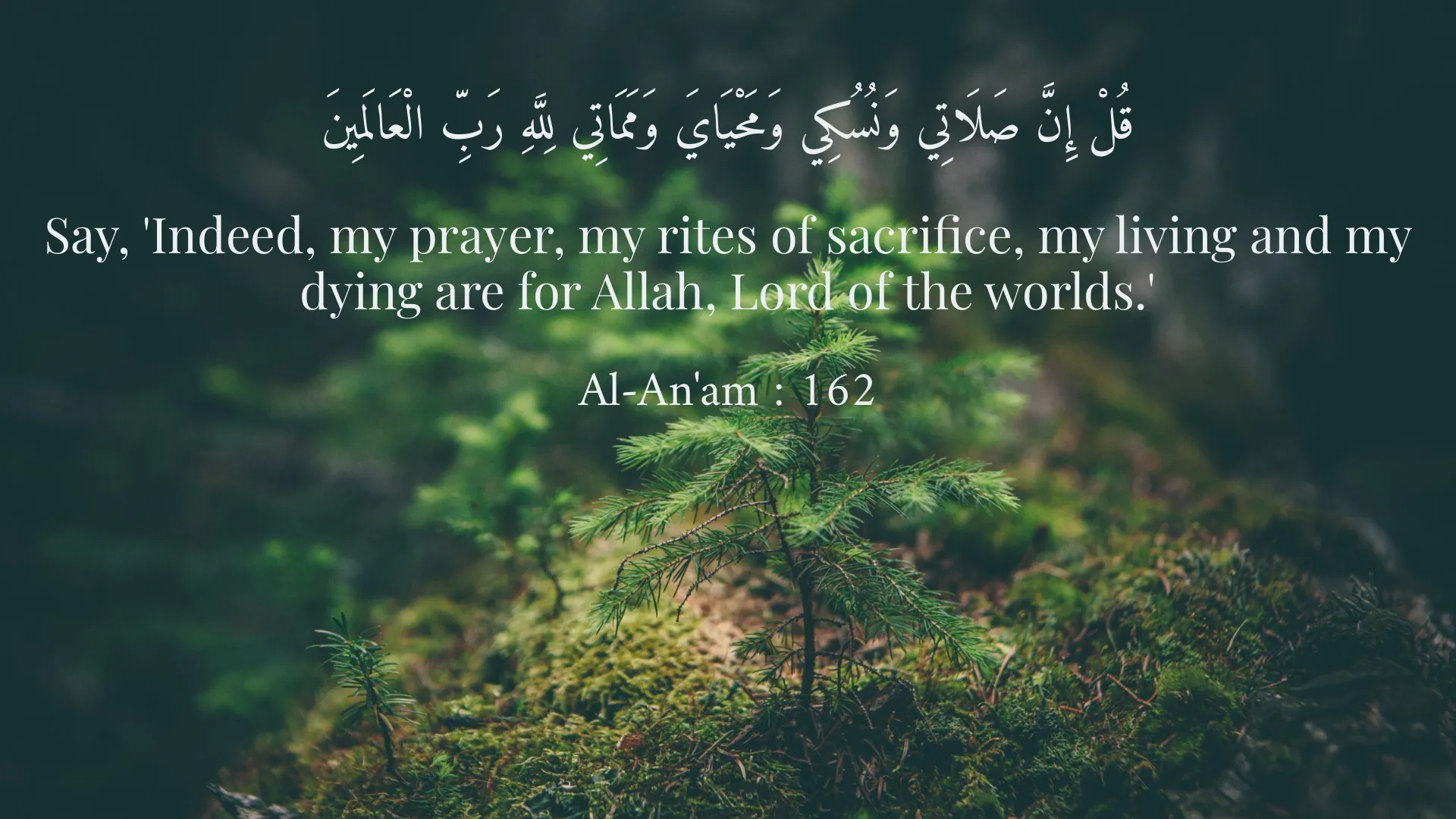
True spirituality in Islam is not merely confined to performing rituals and outward religious displays. The Holy Quran repeatedly emphasizes that the heart and intention of a person are the root and foundation of every spiritual act. To move away from a superficial view of spirituality, we must deeply reflect on the core concepts and objectives of Quranic teachings. Superficial spirituality typically refers to a state where an individual only adheres to the external aspects of religion, such as praying, fasting, or even performing Hajj, but their heart is devoid of a real divine presence, and the profound effects of these acts of worship are not observed in their daily behavior, ethics, and attitude. This type of spirituality is like a tree that has leaves and fruit but its roots are dry and lifeless, easily uprooted by the slightest storm. For our spirituality to be deeply rooted and sustainable, we must reach its depths and move beyond its superficial shell. This path is an inner journey that begins with self-knowledge and knowledge of God. The Quran offers several profound solutions for achieving deep spirituality, some of the most important of which include: 1. Deep Contemplation of Tawhid and Understanding God: The first step to transcend superficial spirituality is a precise and profound understanding of Tawhid (the Oneness of God). Tawhid is not just believing in one God; it is grasping the truth that He alone is the Creator, the Sustainer, the Planner, and the absolute Sovereign over existence. When a person comprehends this concept, all their dependencies on other than God are severed, and their actions are performed solely for His pleasure. This understanding ensures that every act and every breath is for God, not for gaining social status or people's praise. The Quran states: “Say, ‘Indeed, my prayer, my rites of sacrifice, my living and my dying are for Allah, Lord of the worlds.’” (Al-An’am: 162). This verse demonstrates that every action, from prayer to one's entire life, must be done with pure intention and for God, not for seeking people's attention or achieving worldly gains. Understanding this depth of Tawhid distances a person from showing off (riya) and self-display, making their spirituality deeply rooted. This understanding not only makes acts of worship meaningful but also guides all of a person's relationships and life decisions, freeing them from the servitude of creation. 2. Reflection and Contemplation on Divine Verses (Quran and Creation): One of the most crucial ways to attain deep spirituality is through reflection on the verses of the Quran and contemplating the signs of God's power in creation. The Quran repeatedly invites humans to ponder and considers intellect and understanding among the great divine blessings. For instance, in Surah Al-Imran, verse 191, it says: “Who remember Allah while standing or sitting or [lying] on their sides and contemplate in the creation of the heavens and the earth, [saying], ‘Our Lord, You did not create this in vain; exalted are You [above such a thing]; then protect us from the punishment of the Fire.’” This contemplation elevates a person's perspective from the superficial to the profound, connecting them to the Creator's grandeur. When a person realizes that every particle in existence is a sign of God's wisdom and power, worship becomes not merely a dry obligation but a manifestation of a deep connection with the Creator of existence. This kind of reflection grants insight, enabling one to see beyond the appearances of phenomena and discover divine wisdom within them. This action strengthens faith and perseverance on the spiritual path, as faith is not achieved merely by knowing, but by deep understanding and heartfelt connection. 3. Sincerity in Intention and Action (Ikhlas): Sincerity of intention is the essence of spirituality, and without it, any action will be soulless and worthless. In Surah Al-Bayyinah, verse 5, the Quran states: “And they were not commanded except to worship Allah, [being] sincere to Him in religion, inclining to truth, and to establish prayer and to give zakah. And that is the correct religion.” Sincerity means that every action we perform should be solely and exclusively for the pleasure of Allah, not for show, not to gain people's admiration, and not for worldly benefits. Riya (showing off) is the opposite of sincerity, and the Quran strongly prohibits it, as riya destroys acts of worship and diminishes their value. Spirituality not built on sincerity, no matter how outwardly glamorous it may seem, is worthless and empty. To move away from superficiality, we must continuously examine our intentions and ensure that our actions spring from the wellspring of sincerity. This continuous self-assessment helps us avoid falling into the trap of hypocrisy and pretense, and achieve inner purity. 4. Purification of the Soul (Tazkiyah al-Nafs): The Quran places great emphasis on the purification of the soul (tazkiyah) and introduces it as the key to salvation. In Surah Ash-Shams, verses 9 and 10, it says: “He has succeeded who purifies it, and he has failed who corrupts it.” True spirituality is impossible without purifying the soul and freeing oneself from moral vices like arrogance, envy, pride, greed, and malice. An individual might be a regular prayer-performer, but if they do not refrain from lying and backbiting, their spirituality is superficial. The Quran considers prayer a means to prevent indecency and wrongdoing: “Indeed, prayer prohibits immorality and wrongdoing” (Al-Ankabut: 45). If our prayers do not have such an effect on our lives, we must question the depth of our spirituality. Tazkiyah al-Nafs is a continuous process that requires self-awareness, self-accountability, and persistent effort toward self-improvement. It is this inner purification that makes external actions meaningful and effective, preparing the human soul to receive divine light. 5. Taqwa (God-consciousness) in All Aspects of Life: Taqwa means constant self-restraint and God-consciousness; it means feeling God's presence at every moment of life and being mindful of our actions and words. This deep perspective ensures that spirituality extends beyond the confines of the mosque and specific worship times, flowing into all dimensions of human life. The Quran states the purpose of many acts of worship, including fasting, is to attain taqwa: “that you may become righteous [through taqwa]” (Al-Baqarah: 183). A person with taqwa avoids sin not only in solitude but also in public, prioritizing God's pleasure over the pleasure of creation in all circumstances. This level of God-consciousness transforms spirituality from a mere outward duty into an enduring inner state that is present in every decision and every step, preventing a person from falling into superficiality. Taqwa is a strong fortress against temptations and deviations, guiding a person through life's complexities. With taqwa, one constantly feels responsible and does not cross divine red lines. 6. Acting upon Knowledge and the Impact of Worship on Ethics and Behavior: Deep spirituality manifests itself in action. Religious knowledge is not merely for accumulating information but for action and transformation in life. If we pray, we should see its effect in distancing ourselves from sin and increasing humility. If we give zakat, we should feel its fruit in the purification of our wealth and soul, as well as in helping the needy. Superficial spirituality usually lacks this profound connection between knowledge and action. The person appears religious, but their ethics and behavior do not align with religious teachings, which is a sign of weak inner spirituality. The Quran says: “Great is hatred in the sight of Allah that you say what you do not do” (As-Saff: 3). This coherence between faith, knowledge, and action is the cornerstone of deep spirituality and shows that religiosity is not just a claim but a way of life and the essence of a person's being. Ultimately, to move away from a superficial view of spirituality, we must always seek depth. We should ask ourselves: What is the purpose of this worship? Is it merely to fulfill an obligation, or is it a heartfelt connection with the Creator? We must turn inward, correct our intentions, reflect on divine verses, and strive to make every moment of our lives a manifestation of sincere and God-conscious servitude. This path is a continuous and evolutionary journey that requires daily effort and self-refinement, but its result will be inner peace, divine pleasure, and a more fulfilling and meaningful life that brings happiness not only in this world but also in the Hereafter.
Related Verses
قُلْ إِنَّ صَلَاتِي وَنُسُكِي وَمَحْيَايَ وَمَمَاتِي لِلَّهِ رَبِّ الْعَالَمِينَ
Say, 'Indeed, my prayer, my rites of sacrifice, my living and my dying are for Allah, Lord of the worlds.'
Al-An'am : 162
الَّذِينَ يَذْكُرُونَ اللَّهَ قِيَامًا وَقُعُودًا وَعَلَىٰ جُنُوبِهِمْ وَيَتَفَكَّرُونَ فِي خَلْقِ السَّمَاوَاتِ وَالْأَرْضِ رَبَّنَا مَا خَلَقْتَ هَٰذَا بَاطِلًا سُبْحَانَكَ فَقِنَا عَذَابَ النَّارِ
Who remember Allah while standing or sitting or [lying] on their sides and contemplate in the creation of the heavens and the earth, [saying], 'Our Lord, You did not create this in vain; exalted are You [above such a thing]; then protect us from the punishment of the Fire.'
Al-Imran : 191
وَمَا أُمِرُوا إِلَّا لِيَعْبُدُوا اللَّهَ مُخْلِصِينَ لَهُ الدِّينَ حُنَفَاءَ وَيُقِيمُوا الصَّلَاةَ وَيُؤْتُوا الزَّكَاةَ ۚ وَذَٰلِكَ دِينُ الْقَيِّمَةِ
And they were not commanded except to worship Allah, [being] sincere to Him in religion, inclining to truth, and to establish prayer and to give zakah. And that is the correct religion.
Al-Bayyinah : 5
قَدْ أَفْلَحَ مَن زَكَّاهَا
He has succeeded who purifies it,
Ash-Shams : 9
وَقَدْ خَابَ مَن دَسَّاهَا
and he has failed who corrupts it.
Ash-Shams : 10
Short Story
One day, a young worshipper named Reza was constantly present in the mosque, performing his prayers with indescribable length. People praised him and envied his piety. Yet, Reza did not feel a deep inner peace; it was as if his acts of worship were merely repetitive motions.<br>One day, a wise old man, sitting indifferently in a corner of the mosque, observed the outward piety of the people. He looked at Reza and with a kind smile said, “My son, appearances are beautiful, but isn’t the pearl found within the oyster?”<br>Reza, struck by these words, approached the old man after his prayer and asked, “O Sheikh, how can I truly understand spirituality and escape this superficiality?”<br>The old man replied, “My son, listen to a story from Sa'di. They say a thief was brought to a scholar to repent. The scholar told him: ‘Repent and observe these four things: stop stealing, be truthful, do not get angry, and never be hypocritical.’ The thief lowered his head and left. But one day, another thief, who had just been caught, was brought to the same scholar. The scholar gave him the same advice. The new thief said: ‘Sir, can a thief who gives up stealing and doesn’t act hypocritically possibly live?’”<br>The old man continued, “True spirituality is abandoning hypocrisy and being truthful, even in your solitude with God. You pray, but are you present in your heart? When you help the poor, do you expect anything in return? Spirituality is when your heart and action are one, without masks and without expectation. Every small act done with sincerity is superior to thousands of outward, soulless deeds. Spirituality is a root that grows in the heart and its branches bear fruit in good character and helping others.”<br>Upon hearing these words, Reza was transformed. He understood that true spirituality lay not in the length of his prostrations but in the depth of his sincerity and purity of intention. From then on, Reza paid less attention to people's praise and became more occupied with purifying his inner self and serving creation, finding a peace he had never experienced before.