Quranic Answer
In the journey of life, we often encounter a myriad of challenges and difficulties that can easily distract us from our spiritual responsibilities and the divine presence of God. These challenges may appear overwhelming at times, but through such trials, we are given opportunities for growth, reflection, and spiritual connection. The Holy Quran, as a guiding light for millions, offers a wealth of insights and tools to maintain the remembrance of God (Dhikr) and strengthen our faith amidst life’s tribulations. One of the most direct and powerful ways to connect with God, especially during challenging times, is through prayer (Salah) and an earnest study of the Quran. Prayer serves as a direct line of communication with our Creator, offering solace and guidance when we are in need. The importance of prayer in navigating life’s difficulties is beautifully articulated in Surah Al-Baqarah, verse 153, where Allah instructs believers: "O you who have believed, seek help through patience and prayer. Indeed, Allah is with the patient." This verse emphasizes the significance of patience (Sabr) and prayer as not only acts of worship but as essential practices for overcoming life’s challenges. When we face hardships, turning to prayer allows us to relinquish our burdens and place our trust in God, who remains steadfastly by our side. Furthermore, the Quran provides insightful reminders about the temporary nature of worldly possessions and relationships. In Surah Al-Anfal, verse 28, Allah reminds the believers that wealth and children are indeed a test but that the act of remembering Him is of greater importance. This perspective is crucial, as it shifts our focus from the uncertainties of the material world to the eternal nature of our faith. The remembrance of God serves as a source of comfort and reassurance during difficult times, reminding us that we are not alone in our struggles. It fosters a sense of peace in the heart, reminding us that all trials are part of a divine plan, and that through remembrance, our connection with God is strengthened. In addition to prayer and the recitation of the Quran, engaging in acts of charity (Sadaqah) is another profound method of remembering God in challenging times. Giving to those in need not only alleviates the suffering of others but also helps us to put our own struggles into perspective. It reminds us of the blessings we possess, fostering gratitude in our hearts. In times of hardship, when we may feel overwhelmed by our circumstances, serving others can revitalize our spirits and draw us closer to the essence of our faith, reminding us that we are all part of a broader community and that our actions can bring light to those who are suffering. Additionally, seeking the companionship of fellow believers can greatly assist us in maintaining remembrance of God. Engaging in discussions about faith, attending religious gatherings, and participating in community service all serve to reinforce our commitment to God during difficult times. Surrounded by like-minded individuals, we find strength and encouragement, creating an environment that nurtures our spiritual growth. The sense of belonging and shared purpose can be incredibly uplifting, making our burdens feel lighter when shared with others. Another crucial aspect to consider in maintaining the remembrance of God is the practice of self-reflection and mindfulness, especially during challenging periods. Taking time to engage in deep reflection helps us to realign our thoughts and actions with our faith. It enables us to assess our responses to difficulties, promoting a proactive approach instead of a reactive one. Asking ourselves how we can be better in the face of hardship encourages us not to lose sight of our values and beliefs but rather to utilize these challenges as a means of spiritual elevation. The teachings of the Quran advocate reflection as a vital component of faith. Surah Al-Hashr, verse 18, states, "O you who have believed, fear Allah. And let every soul look to what it has put forth for tomorrow." This verse encourages believers to be conscious of their actions and their impact, imploring them to reflect on their faith amidst life’s trials. It serves as a reminder that remembrance of God is not a passive act but rather an active engagement that requires our consciousness and efforts. Moreover, the significance of patience (Sabr) in facing life’s challenges cannot be overstated. Patience is not merely about enduring hardships but is a proactive obedience to God’s commands, a testament to our trust in His wisdom. When we exercise patience, we embody the principle that every trial is an opportunity for deeper reliance on God’s mercy. In times of adversity, reminding ourselves to practice patience fortifies our hearts and allows God's guidance to manifest in our lives. As we seek to remember God through prayer, reflection, and community, we should also cultivate an attitude of gratitude. Recognizing the blessings we have received—big and small—redirects our focus from our troubles to the goodness that exists in our lives. Surah Ibrahim, verse 7, states, "And (remember) when your Lord proclaimed: "If you give thanks (by accepting faith and worship), I will give you more of My bounty; but if you deny (My bounty), verily My punishment is indeed severe." This reminder sharpens our awareness of the importance of expressing thankfulness both in easy and trying times. In conclusion, life is filled with challenges that can potentially draw us away from the remembrance of God. However, the teachings of the Holy Quran provide us with various methods to not only navigate these difficulties but to emerge spiritually stronger. By establishing a consistent practice of prayer, seeking community support, engaging in charitable acts, reflecting on our actions, practicing patience, and cultivating gratitude, we can maintain our remembrance of God and enhance our faith. Ultimately, the essence of these practices lies in our awareness; continually asking ourselves how we can act better in our struggles allows us to remember God more profoundly. In the midst of hardship, it is crucial never to forget ourselves but to remember Him, drawing strength from our faith during our most challenging moments. Through remembrance and reliance on God, we find resilience and comfort that guides us on our spiritual journey.
Related Verses
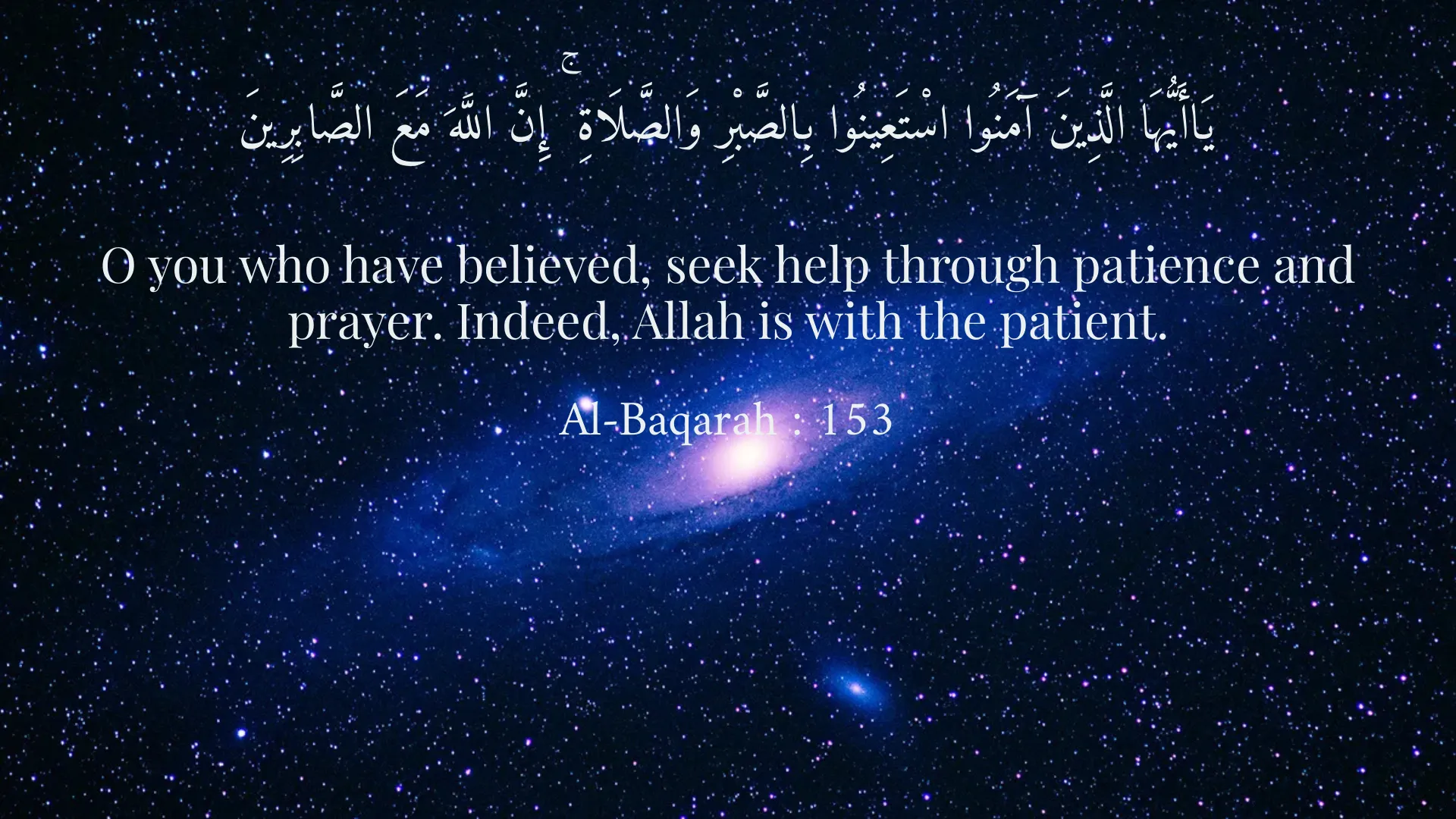
يَاأَيُّهَا الَّذِينَ آمَنُوا اسْتَعِينُوا بِالصَّبْرِ وَالصَّلَاةِ ۚ إِنَّ اللَّهَ مَعَ الصَّابِرِينَ
O you who have believed, seek help through patience and prayer. Indeed, Allah is with the patient.
Al-Baqarah : 153
وَاعْلَمُوا أَنَّمَا أَمْوَالُكُمْ وَأَوْلَادُكُمْ فِتْنَةٌ ۖ وَأَنَّ اللَّهَ عِندَهُ أَجْرٌ عَظِيمٌ
And know that your properties and your children are but a trial, and that Allah has with Him a great reward.
Al-Anfal : 28
Short Story
On a rainy day, Sara was sitting under the rain, thinking about God. She said to herself, 'O God, in these tough days, help me not to forget that You are always with me.' Then she closed her eyes and prayed, feeling that the burden of her troubles had lessened, and a smile appeared on her face. Sara decided to dedicate time each day for prayer and supplication so that she would never forget God.