Quranic Answer
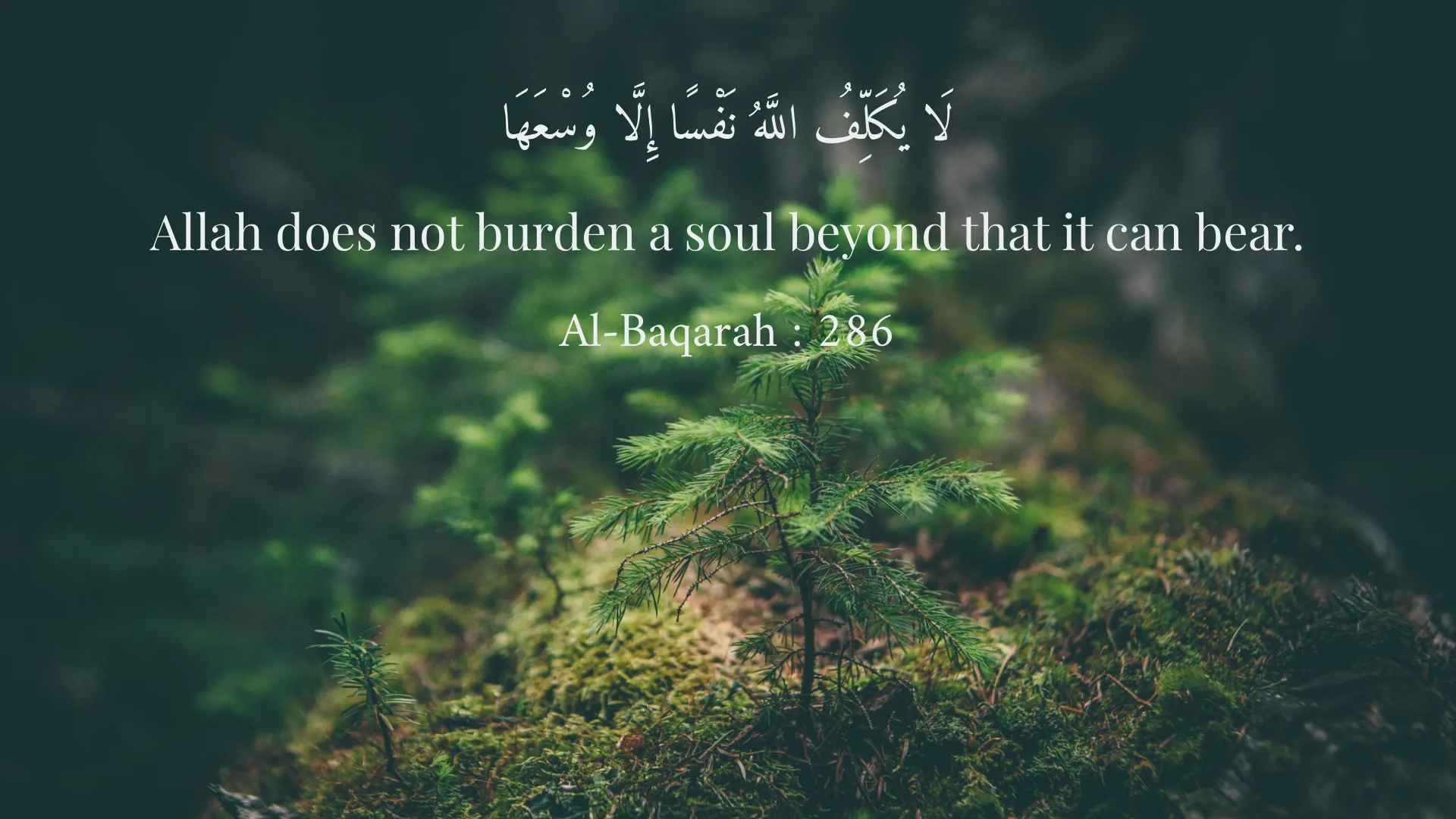
Overcoming bad habits is one of the most significant challenges that individuals face throughout their lives. Any journey of change begins with self-reflection and honesty about one's behavior. Bad habits can manifest in a multitude of ways—be it procrastination, smoking, unhealthy eating, excessive screen time, or negative thinking patterns, among others. They can undermine our personal goals, professional aspirations, and even our relationships. Consequently, finding ways to overcome these detrimental habits is vital for personal growth and development. Interestingly, many turn to their faith during this transformative process, and the Holy Quran offers essential guidance in this regard, outlining principles that can aid individuals in their struggle to overcome bad habits. One of the pivotal verses in the Quran that speaks to our capacity to face our challenges is found in Surah Al-Baqarah, verse 286. Allah says, 'Allah does not burden a soul beyond that it can bear.' This verse serves as a powerful reminder that no bad habit is insurmountable; indeed, God has bestowed upon each of us the strength and inner capability to fight against our weaknesses. It implores us to trust in our potential and engage in the daunting yet rewarding endeavor of self-improvement. When faced with the overwhelming desire to indulge in our bad habits, this verse offers us solace and courage, suggesting that the struggle we undergo is not without purpose and, indeed, is within our capacity to manage. Another impactful verse can be found in Surah At-Tawbah, verse 24, where Allah emphasizes that our love for Him and His Messenger must be our foremost love. This principle can powerfully influence our intentions and actions, fostering a desire to distance ourselves from bad habits that sour our spiritual connection. Recognizing the divinely ordained priorities in our lives helps set a framework for what we deem worthy of our time and energy. By placing our faith and devotion at the forefront, we can illuminate the darker aspects of our lives that need addressing. Understanding the negative consequences of bad habits is essential for motivating oneself to change. When an individual clearly recognizes how their bad habits impair their well-being, mental health, relationships, and overall life quality, it sparks a sense of urgency to make a change. It can be a painful realization, but this acknowledgment often acts as the catalyst for personal transformation. It is vital to address our habits critically—considering who we are impacting and the long-term consequences of continuing them. Incorporating prayer and supplication into the journey of overcoming bad habits is another powerful tool. In verse 153 of Surah Al-Baqarah, Allah instructs believers to seek help through patience and perseverance in prayer: 'O you who have believed, seek help through patience and prayer. Indeed, Allah is with the patient.' This guidance acknowledges the reality that the journey of personal growth and transformation often contains challenges that require divine assistance, patience, and resilience. Prayer serves as an anchor, providing comfort and clarity in moments of temptation or weakness. It allows for reflection and reconnection with our spiritual selves, enabling us to find the strength to resist desires that serve only to undermine our objectives. To complement the aforementioned mechanisms of change, it is equally important to consider replacing bad habits with good ones. This shift in behavior not only occupies our time and attention positively but also fosters a sense of accomplishment and fulfillment. For instance, rather than spending time with friends who may engage in deleterious behaviors, one could choose to associate with those who inspire them to pursue a more disciplined and virtuous lifestyle. Building a support system comprised of positive influences can significantly enhance the chance of success in overcoming bad habits. It encourages accountability and creates an atmosphere of mutual growth and success. Moreover, focusing on establishing good habits can create a sense of purpose and direction that diverts attention from undesirable behaviors. Engaging in physical activities, volunteering, reading, or exploring new skills can fill time once occupied by negative habits. Practical changes in one’s daily routine serve as pivotal steps in personal transformation. Small, consistent efforts culminate into significant change, echoing the fundamental Islamic teaching that good deeds, no matter how small, can lead to great outcomes. Educating oneself about the science behind habits can also enhance one's ability to break free from them. Understanding the triggers that lead to falling into bad habits allows individuals to prepare and create strategies for when temptations arise. Self-help books, workshops, or counseling can provide valuable insights into effective methods for behavior change, such as cognitive-behavioral techniques that focus on altering thought patterns associated with habits. To further empower oneself on this journey, one could consider setting specific milestones and goals, making the process measurable. Tracking progress helps to highlight successes and motivate individuals to continue their pursuit of improvement. Celebrating small victories fosters a positive mindset and reinforces commitment to the path of personal change. In conclusion, overcoming bad habits is a multifaceted journey that requires self-awareness, prayer, and the pursuit of positive influences and replacements. The wisdom contained within the Holy Quran provides a solid foundation and guidance on this challenging path. Believing in one’s capacity to change, understanding the implications of our behaviors, and relying on prayer forms a potent triad of support for anyone striving for a better life. It is a testament to the human spirit's resilience and a reminder of God’s mercy and understanding as we each aim to grow and improve in our lives.
Related Verses
لَا يُكَلِّفُ اللَّهُ نَفْسًا إِلَّا وُسْعَهَا
Allah does not burden a soul beyond that it can bear.
Al-Baqarah : 286
قُلْ إِن كَانَ آبَاؤُكُمْ وَأَبْنَاؤُكُمْ وَإِخْوَانُكُمْ وَأَزْوَاجُكُمْ وَعَشِيرَتُكُمْ ... أَحَبَّ إِلَيْكُمْ مِّنَ اللَّهِ وَرَسُولِهِ
Say, 'If your fathers, your sons, your brothers, your wives, your relatives ... are more beloved to you than Allah and His Messenger ... then wait ...'
At-Tawbah : 24
يَا أَيُّهَا الَّذِينَ آمَنُوا اسْتَعِينُوا بِالصَّبْرِ وَالصَّلَاةِ ۚ إِنَّ اللَّهَ مَعَ الصَّابِرِينَ
O you who have believed, seek help through patience and prayer. Indeed, Allah is with the patient.
Al-Baqarah : 153
Short Story
One day, a man named Yahya decided to change his bad habits. He read about patience and God's will in the Quran, and this became the motivation for him to move towards change. Every day, he stood for prayer and sought help from God. Gradually, his bad habits transformed into good ones, and Yahya felt complete happiness.