Quranic Answer
Laziness in worship is a common challenge for believers across different faiths, particularly in Islam. It is a multifaceted issue deeply rooted in our human condition. Individuals often find themselves struggling to engage in acts of worship with the necessary zeal and devotion. This article aims to explore the nature of laziness in worship, the importance of heartfelt devotion, and practical strategies to overcome this challenge, particularly referencing teachings from the Holy Quran. Understanding the depth of worship is fundamental to overcoming laziness. Worship is not just a set of physical rituals, but it embodies a profound connection with God. It is a form of submission, a way of recognizing the greatness of Allah and acknowledging our dependency on Him. The Quran serves as a guide to help believers understand that the essence of worship lies beyond mere physical actions; it is about the intention and sincerity of the heart. In Surah Al-Baqarah, verse 177, Allah elaborates on the notion of true righteousness. He states: 'Righteousness is not that you turn your faces toward the east or the west, but [true] righteousness is in one who believes in Allah, the Last Day, the Angels, the Book, and the Prophets and gives his wealth, in spite of love for it, to relatives, orphans, the needy, the traveler, those who ask [for help], and for freeing slaves.' This verse is profound as it illustrates that true righteousness—therefore, true worship—manifests not only in religious practices but fundamentally in the sincerity of one’s belief and the actions that derive from that belief. This reinforces the idea that worship should resonate within our hearts and be reflected in our actions in our day-to-day lives. Moreover, the structure of our worship and the way we engage with it can often reflect our spiritual state and can lead to feelings of laziness. External actions such as prayer, fasting, or attending communal prayers can become mere habits if they lack proper intention or understanding. Therefore, to truly worship God, one must approach these acts with clear intentions and an open heart. In another significant reference within the Quran, Surah Al-Waqi'a, verses 60-61 remind us that 'Indeed, the righteous will be in a secure place.' This verse indicates that those who engage in true worship will be enveloped in divine protection and blessings. It carries an essential implication: true worshipers, rooted in heart and soul, inherently become receivers of divine inspiration. This consideration allows believers to understand that encouragement to engage in worship should arise from within rather than considering it a mechanical obligation. Yet, countless distractions and the mundane pressures of life often hinder believers from committing to their spiritual practices. We live in an era characterized by rapid technological advancements and numerous daily demands, leading to a disconnect between individuals and their devout practices. Therefore, taking decisive steps to counter laziness in worship is essential. One effective strategy is to dedicate specific times during the day (both morning and evening) for prayer and remembrance. These predetermined moments can serve as anchors for spiritual reflection amidst the chaos of everyday life. Additionally, embracing the beauty of 'Dua' (supplication) and reciting Quranic verses can heighten the spiritual experience, thus fostering genuine devotion. Moreover, surrounding oneself with faithful individuals can play a significant role in motivation. Community is a powerful force; engaging in discussions about faith, attending the mosque, or simply spending time with fellow believers can invigorate one’s spiritual practice and encourage consistent worship. A crucial aspect to understand is that Allah is compassionate and merciful towards humanity. Surah Al-Hadid, verse 30 emphasizes this invaluable trait of Allah’s essence. It serves as a reminder that despite our weaknesses and moments of spiritual negligence, we are continuously granted opportunities for redemption. The realization that God's love and mercy are intertwined with our prayer and worship invites believers to approach worship with humility rather than fear. It reassures believers that their efforts—even if small—are valued in this journey of faith, encouraging them to strive harder. Another important technique to combat laziness is the practice of setting goals in worship. Like any other commitment in life, creating goals can provide both clarity and a sense of direction. For example, striving to recite a certain number of verses daily or committing to a specific number of prayers or acts of charity each week can provide tangible objectives to work towards. Tracking progress and rewarding oneself for achieving these goals can foster a sense of accomplishment, further inspiring individuals to deepen their connection with God. Furthermore, embracing mindfulness and reflection in worship can bridge the gap between mechanical acts and genuine devotion. Allocating time for deep contemplation of the meanings behind the prayers and actions can bring about a surge of inspiration. Meditation on the verses of the Quran and their implications on personal life can lead to profound revelations, stemming from a deeper understanding of worship's significance. In conclusion, laziness in worship is indeed a common challenge, but by fostering a deeper understanding of worship as a heartfelt connection with God, individuals can overcome this. By approaching worship with intention, dedicating specific times for practice, surrounding oneself with a supportive community, and embracing mindfulness in spiritual actions, believers can reignite their passion for worship. It is crucial to remember that Allah’s compassion and mercy can guide us through our journey towards establishing a more fulfilling and sincere worship experience. Cultivating a consistent and heartfelt worship brings spiritual tranquillity and a profound sense of peace, creating a more profound connection with the Divine that motivates believers toward a righteous life.
Related Verses
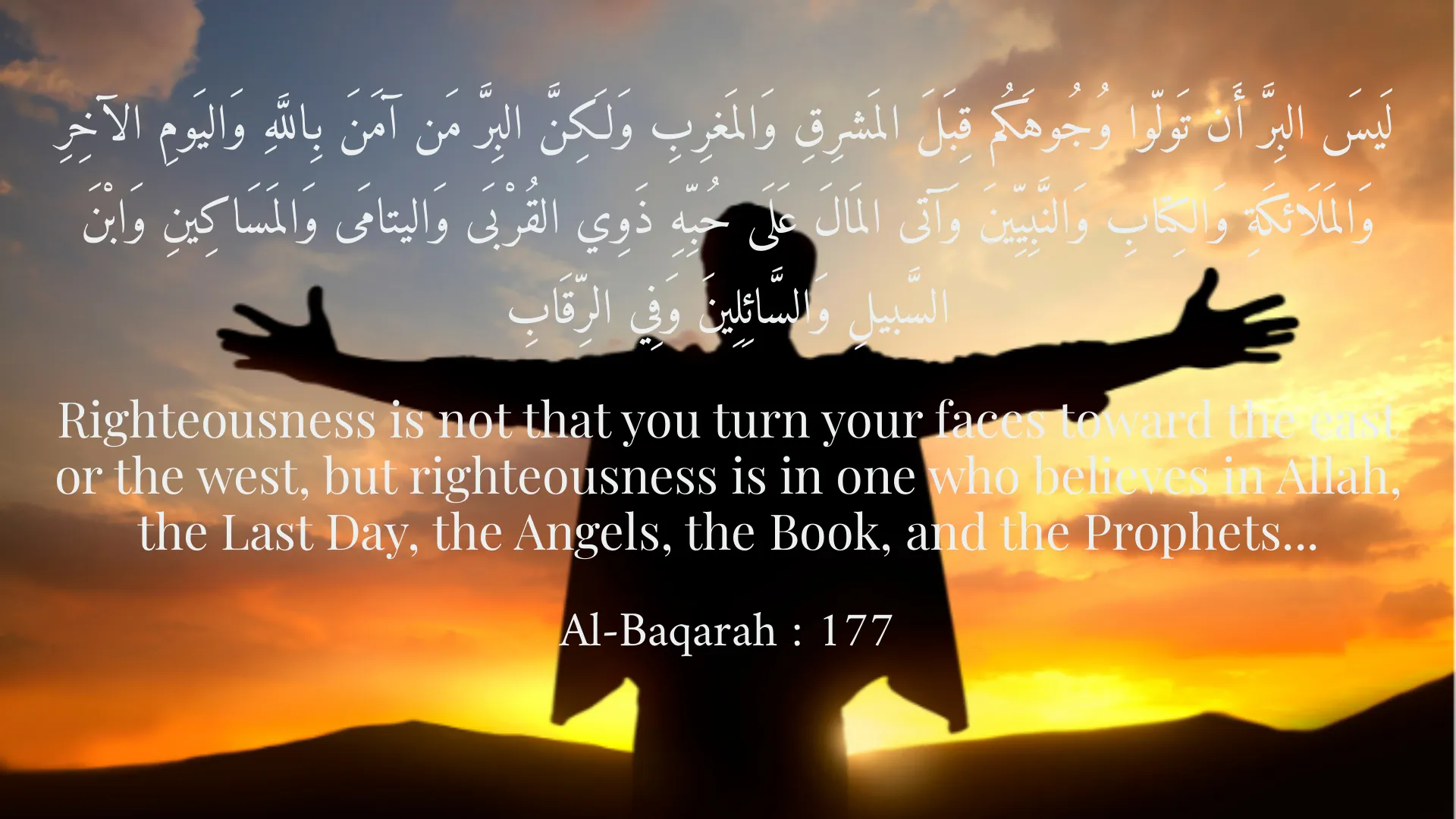
لَيسَ البِرَّ أَن تَولّوا وُجُوهَكُم قِبَلَ المَشرِقِ وَالمَغرِبِ وَلَكِنَّ البِرَّ مَن آمَنَ بِاللَّهِ وَاليَومِ الآخِرِ وَالمَلَائكَةِ وَالكِتابِ وَالنَّبِيِّينَ وَآتى المَالَ عَلَى حُبِّهِ ذَوِي القُرْبَى وَاليتامَى وَالمَسَاكِينِ وَابْنَ السَّبيلِ وَالسَّائِلِينَ وَفِي الرِّقَابِ
Righteousness is not that you turn your faces toward the east or the west, but righteousness is in one who believes in Allah, the Last Day, the Angels, the Book, and the Prophets...
Al-Baqarah : 177
إِنَّ الْمُتَّقِينَ فِي جَنَّاتٍ وَنَهَرٍ
Indeed, the righteous will be in gardens and rivers.
Al-Waqi'a : 60
أَلَمْ يَأْنِ لِلَّذِينَ آمَنُوا أَن تَخْشَعَ قُلُوبُهُمْ لِذِكْرِ اللَّهِ وَمَا نَزَلَ مِنَ الْحَقِّ
Has the time not come for the hearts of those who have believed to be humbly submissive at the remembrance of Allah and what has come down of the truth?
Al-Hadid : 30
Short Story
Once upon a time, a young man named Amir faced the problem of laziness in worship. He would tell himself every day that he would start tomorrow. But one day, he spoke to a friend who told him that a relationship with God requires time and effort. Amir decided to dedicate one more minute every day to prayer and remembrance of God. After some time, he felt a pleasant sensation in his heart and achieved spiritual tranquility. He was no longer lazy and devoted lovingly to worship.