Quranic Answer
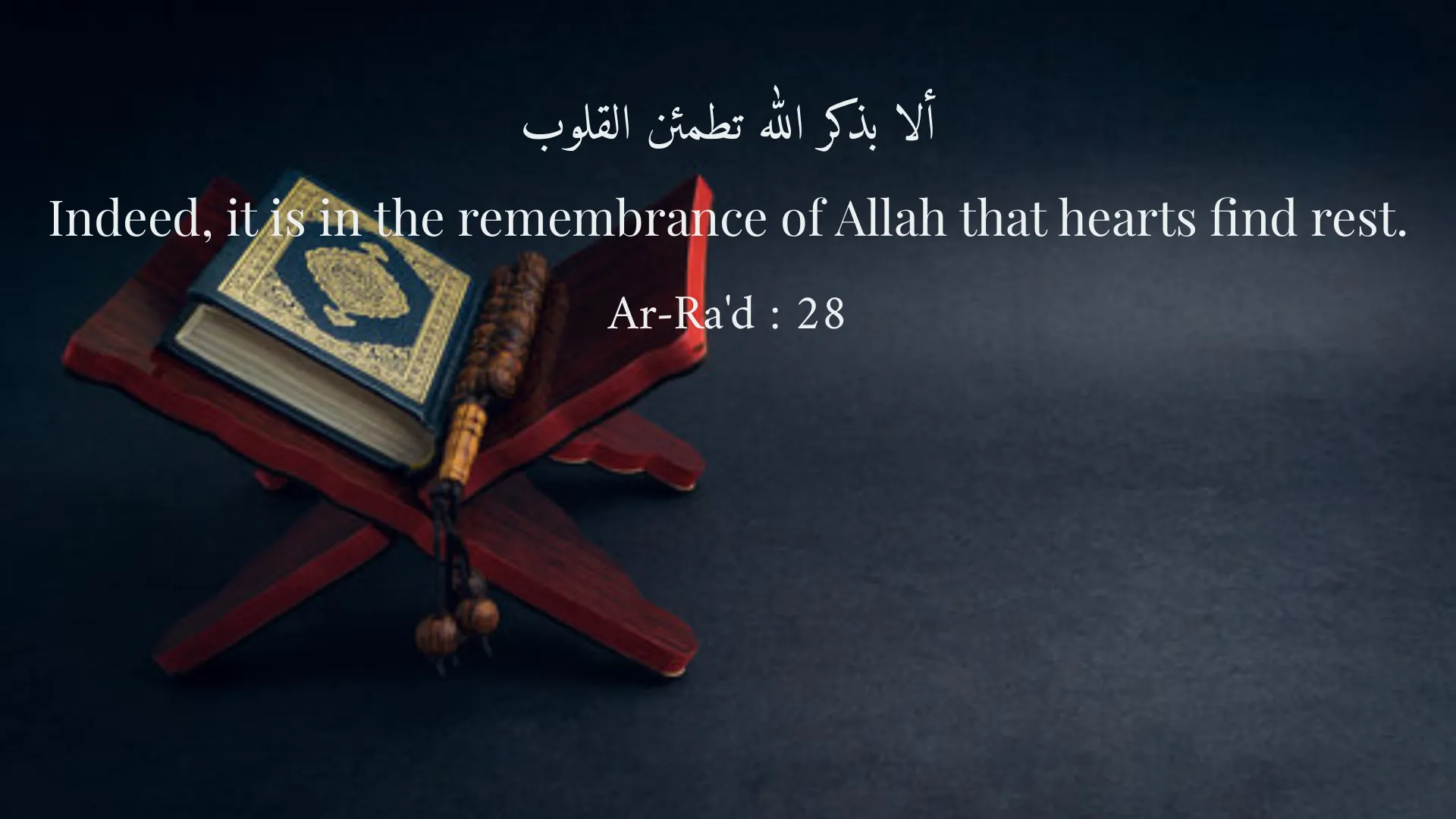
In the ever-evolving journey of human existence, peace and positive thinking have emerged as vital concepts for fostering resilience and emotional well-being. The Holy Quran, regarded as a celestial guide for millions around the world, emphasizes these themes profoundly, presenting numerous insights about the role of faith in cultivating inner tranquility and combatting negativity. The teachings found in this sacred text serve as a beacon of hope, highlighting the importance of remembrance of Allah, steadfast belief, prayer, and patience in facing life's challenges. The Holy Quran offers profound wisdom and practical guidance for those seeking to cultivate harmony within themselves and their surroundings. One of the verses that encapsulate this essence is found in Surah Ar-Ra'd (Chapter of Thunder), verse 28, which states, 'Indeed, it is in the remembrance of Allah that hearts find rest.' This powerful statement reminds us that the act of remembering God can serve as a grounding mechanism that alleviates anxiety and instills calmness in our hearts. In the fast-paced world we inhabit, it is all too easy to succumb to negativity, stress, and uncertainty. However, by consciously engaging in the remembrance of Allah, we can create a mental space that fosters tranquility and positivity. Remembrance of Allah transcends mere verbal recitation; it entails a deep, reflective engagement with one’s faith, considering the divine attributes, and being thankful for the countless blessings bestowed upon us. Through daily practices such as reciting Quranic verses, engaging in dhikr (remembrance of God), and reflecting on the wonders of creation, we can anchor ourselves in the knowledge that God is ever-present in our lives. Such awareness diminishes our worries and encourages a mindset that embraces hope, optimism, and resilience. Additionally, Surah Fussilat (Chapter of Explained Verses), verse 30 presents another significant teaching: 'Indeed, those who have said, 'Our Lord is Allah' and then remained steadfast, the angels will descend upon them, [saying], 'Do not fear and do not grieve.' This verse emphasizes the importance of steadfastness and conviction in faith amidst adversity. The assurance that angels will descend upon the faithful serves as a powerful reminder that we are never alone in our struggles. The presence of divine support can alleviate our fears and sorrow as we navigate the uncertainties of life. By anchoring ourselves in the belief in Allah's mercy and wisdom, we can overcome the emotional turmoil that often accompanies life’s challenges. The act of relying on faith engenders a sense of security and fosters the courage to confront adverse situations with a positive mindset. When we remain steadfast in our beliefs and trust in divine providence, we create a protective barrier against negativity, allowing us to cultivate hope even in trying circumstances. Moreover, the practice of prayer and supplication is emphasized in Surah Al-Baqarah (Chapter of the Cow), verse 153, where Allah advises, 'O you who have believed, seek help through patience and prayer. Indeed, Allah is with the patient.' This verse encapsulates the essence of utilizing prayer as a powerful tool to navigate life's difficulties and negative thoughts. By turning our attention to prayer, we engage in a direct conversation with God that can provide comfort and clarity in moments of despair. Prayer is not merely a ritualistic obligation; it serves as a sanctuary for the troubled heart, a time to reflect, seek guidance, and express gratitude. In dedicating time to prayer, we allow ourselves to pause, breathe, and recalibrate our thoughts. This intentional act can transform our negative feelings into positive affirmations, enabling us to seek solutions rather than dwell on problems. In addition to prayer, cultivating patience is vital in addressing negativity. Life's challenges often test our resilience and may provoke feelings of frustration and despair. However, the understanding that patience is a virtue endorsed by divine revelation empowers us to endure with grace. The Quran teaches us that maintaining composure in the face of difficulties builds character and leads to personal growth. When we practice patience, we enhance our capacity to respond positively rather than react negatively to adversity. Overall, the internal peace derived from faith in God and the adjustment of positive thoughts serves as a formidable antidote to negativity. This peace propels us toward a happier and more meaningful life by enabling us to navigate challenging circumstances with confidence, tranquility, and grace. The Quran’s teachings instill the reminder that peace is attainable, and through dedication to remembrance, belief, prayer, and patience, we can rise above negativity that may seek to overpower our minds. Embracing the principles outlined in the Quran can present a transformative shift in our outlook on life. Ultimately, when we prioritize the remembrance of Allah, steadfastness in faith, prayerful supplication, and the practice of patience, we embark on a holistic journey toward emotional well-being. As we weave these principles into our daily routines, we are not only improving our individual lives but also contributing to the larger tapestry of harmony within our communities. In a world often fraught with turbulence and discord, the teachings of the Quran light the path toward personal and collective peace, fostering an environment that thrives on hope, resilience, and positivity.
Related Verses
ألا بذكر الله تطمئن القلوب
Indeed, it is in the remembrance of Allah that hearts find rest.
Ar-Ra'd : 28
إن الذين قالوا ربنا الله ثم استقاموا تتنزل عليهم الملائكة ألا تخافوا ولا تحزنوا
Indeed, those who have said, 'Our Lord is Allah' and then remained steadfast, the angels will descend upon them, [saying], 'Do not fear and do not grieve.'
Fussilat : 30
يَا أَيُّهَا الَّذِينَ آمَنُوا اسْتَعِينُوا بِالصَّبْرِ وَالصَّلَاةِ ۚ إِنَّ اللَّهَ مَعَ الصَّابِرِينَ
O you who have believed, seek help through patience and prayer. Indeed, Allah is with the patient.
Al-Baqarah : 153
Short Story
One day, a man named Amir was struggling to overcome his negative thoughts. He decided to focus more on the remembrance of God and his prayers. He dedicated time each day to remember God, which led him to find deep peace in his prayers. What used to make him sad now felt small in comparison to the solace he found in faith. Amir felt a greater sense of calm and even inspired many of his friends with this change.