Quranic Answer
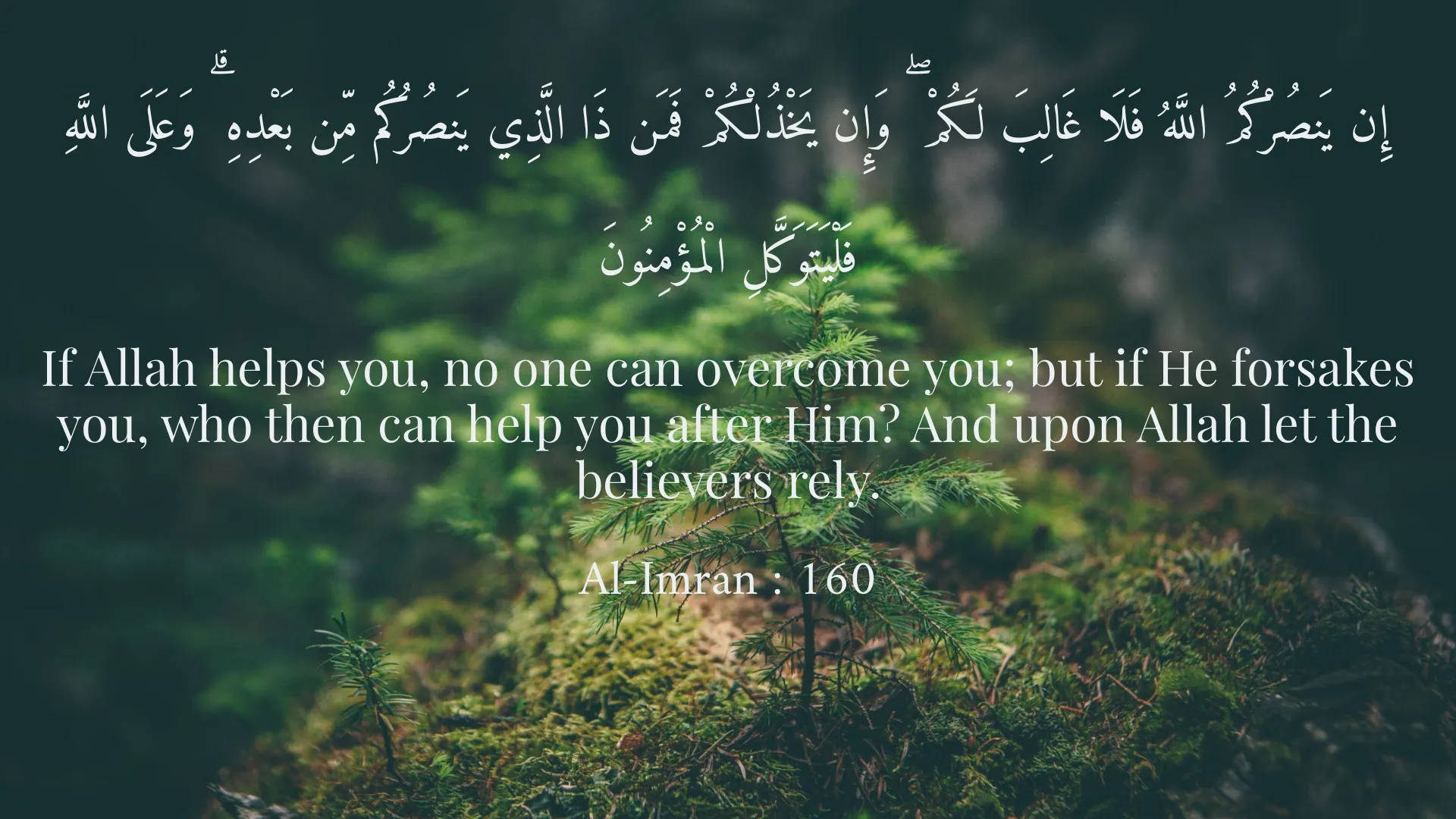
The fear of others' contempt is a profoundly human experience, stemming from our innate desire for acceptance and belonging. However, from an Islamic and Quranic perspective, true liberation from this fear comes not from gaining external approval, but from grounding one's self-worth and purpose in a profound relationship with Allah (God). The Quran offers transformative insights that empower believers to rise above the transient and often misguided opinions of people, fostering an unshakable inner peace. At the heart of overcoming the fear of contempt lies the principle of Tawakkul (Reliance on Allah). The Quran repeatedly emphasizes placing one's complete trust and dependence solely on Allah. When a person genuinely internalizes that Allah is the ultimate Protector, Provider, and Judge, the opinions of others diminish significantly in their importance. If Allah is with you, no amount of human scorn can truly harm you. Conversely, if Allah were to abandon someone (which He does not do to His sincere believers), no human praise could save them. This profound truth is beautifully articulated in Surah Al-Imran, verse 160: "If Allah helps you, no one can overcome you; but if He forsakes you, who then can help you after Him? And upon Allah let the believers rely." This verse is a powerful antidote to the fear of people. It shifts the entire locus of power and security from fallible human beings to the Omnipotent Creator. When you know that your success, failure, protection, and provision ultimately rest with Allah, the fleeting judgments and contempt of others become inconsequential. Your efforts are directed towards pleasing the One who holds all power, not those who can offer only temporary praise or scorn. This reliance fosters an inner fortitude, a quiet confidence that emanates from knowing one is doing their best in the eyes of their Creator. This deep spiritual connection is a source of immense strength and resilience, providing a shield against the negativity of external opinions. It allows a believer to remain steadfast in their principles and actions, knowing that their true standing is with Allah, not with the ever-changing tides of human sentiment. The fear of being judged, ostracized, or belittled by others melts away when one's heart is filled with complete trust in the Divine Will and ultimate justice of Allah. Another crucial aspect is seeking Allah's pleasure (Rida Allah) as the sole objective. Our purpose in life, as defined by the Quran, is to worship and obey Allah. When our primary motivation for actions, words, and choices is to gain Allah's approval, then the pursuit of human validation or the avoidance of human criticism becomes secondary. The Quran instructs us to fear none but Allah. In Surah Al-Ahzab, verse 39, it states: "Those who convey the messages of Allah and fear Him and do not fear anyone but Allah. And sufficient is Allah as Accountant." This verse clearly delineates the true object of fear for a believer: Allah alone. When a person fears Allah, they strive to live righteously, irrespective of how others perceive them. This fear is not one of dread, but of awe and reverence, a fear of displeasing the One who sustains all existence. By prioritizing Allah's pleasure, the believer detaches their self-worth from external praise or blame. They understand that what truly matters is their sincerity and devotion in the sight of Allah, who knows all hidden and apparent matters. This inner freedom from the chains of human opinion allows individuals to act with integrity and conviction, without constantly looking over their shoulder. They are liberated from the exhausting cycle of trying to please everyone, which is an impossible task anyway. Instead, their energy is directed towards a single, noble goal: pleasing their Creator. This focus cultivates genuine autonomy and moral courage, enabling one to follow the path of truth even when it is unpopular or invites scorn. The peace derived from aligning one's life with divine mandates far surpasses the temporary satisfaction of human approval. The Quran also provides solace through the concept of divine guardianship and the ultimate security for Allah's allies (Awliya Allah). It assures believers that those who truly commit to Allah, believe, and live righteously will be free from fear and sorrow, both in this life and the hereafter. Surah Yunus, verses 62-64, declare: "Unquestionably, [for] the allies of Allah there will be no fear concerning them, nor will they grieve. Those who believed and used to fear Allah. For them are good tidings in the worldly life and in the Hereafter. No change is there in the words of Allah. That is the great success." This profound assurance means that if one strives to be among Allah's allies through sincere faith and good deeds, Allah Himself guarantees their well-being and inner peace. The fear of others' contempt, which often leads to anxiety and grief, is explicitly removed from the experience of Allah's allies. This is because their foundation is solid; their support comes from the Most Powerful. Their fear of Allah, which translates into a conscious effort to obey Him, ironically leads to a fearlessness towards creation. They are secure in the knowledge that their true protector is Allah, and no human judgment or scorn can alter their destiny or their ultimate reward. This understanding cultivates a profound sense of self-respect and dignity, derived not from what others think of them, but from their honorable standing with Allah. This spiritual shield transforms potential sources of anxiety into opportunities for strengthening one's resolve and deepening one's connection with the Divine. It empowers individuals to walk through life with confidence, knowing they are under the direct care and protection of the Almighty. Furthermore, the Quran implicitly teaches us about the transient and often flawed nature of human judgment. People's opinions are often based on incomplete information, personal biases, envy, or even malice. What one person despises, another might admire. Worldly status, wealth, and external appearances, which often fuel contempt, are fleeting and hold no true value in the sight of Allah. The Quran repeatedly warns against being deceived by the glitter of this worldly life and emphasizes the eternal reality of the Hereafter. When a believer understands that true success and honor are measured by their piety and good deeds, not by societal approval or disapproval, the sting of contempt fades. They learn to value substance over superficiality, inner truth over outward show. The Prophet Muhammad (peace be upon him) himself faced immense ridicule, scorn, and persecution from his community, yet he remained steadfast because his mission and validation came from Allah. His example, widely documented in the Quran and Sunnah, serves as a powerful testament to enduring contempt with dignity and unwavering faith. Understanding the fleeting nature of worldly opinions frees the mind from constant worry about how one is perceived, allowing for a focus on more substantial and eternal pursuits. To practically apply these Quranic principles and overcome the fear of contempt, one must: 1. Deepen the connection with Allah: Regular prayer (Salat), remembrance of Allah (Dhikr), and sincere supplication (Du'a) strengthen one's faith and reliance. The more connected one feels to Allah, the less significant human opinions become. 2. Reflect on the Quran: Meditate on verses that emphasize Allah's power, mercy, and justice, and those that speak of the impermanence of worldly life and the ultimate judgment of Allah. This constant reminder reinforces the truth. 3. Focus on personal accountability to Allah: Instead of worrying about what others think, focus on whether your actions and intentions are pleasing to Allah. This shift in focus empowers you. 4. Practice patience (Sabr) and perseverance (Istiqamah): Understand that facing criticism or contempt is part of life's trials. Persevere in doing what is right, knowing that Allah rewards patience. 5. Cultivate humility: While not fearing contempt, one should also avoid arrogance. Humility before Allah helps one maintain a balanced perspective, acknowledging that all strength and guidance come from Him. 6. Seek knowledge and understanding: Ignorance can lead to insecurity. Understanding one's faith and the Quranic worldview solidifies one's identity and principles, making them less susceptible to external pressures. In conclusion, the Quran provides a comprehensive framework for cultivating an inner strength that transcends the fear of others' contempt. By firmly establishing one's reliance on Allah, making His pleasure the ultimate goal, understanding the divine guardianship over true believers, and recognizing the triviality of human judgments, a person can achieve a profound sense of freedom and peace. This liberation allows individuals to live authentically, driven by divine purpose rather than the fleeting opinions of the world, ultimately leading to success both in this life and the Hereafter. The true measure of a person is not found in the eyes of others, but in the sincerity of their heart and their commitment to Allah.
Related Verses
إِن يَنصُرْكُمُ اللَّهُ فَلَا غَالِبَ لَكُمْ ۖ وَإِن يَخْذُلْكُمْ فَمَن ذَا الَّذِي يَنصُرُكُم مِّن بَعْدِهِ ۗ وَعَلَى اللَّهِ فَلْيَتَوَكَّلِ الْمُؤْمِنُونَ
If Allah helps you, no one can overcome you; but if He forsakes you, who then can help you after Him? And upon Allah let the believers rely.
Al-Imran : 160
الَّذِينَ يُبَلِّغُونَ رِسَالَاتِ اللَّهِ وَيَخْشَوْنَهُ وَلَا يَخْشَوْنَ أَحَدًا إِلَّا اللَّهَ ۗ وَكَفَىٰ بِاللَّهِ حَسِيبًا
Those who convey the messages of Allah and fear Him and do not fear anyone but Allah. And sufficient is Allah as Accountant.
Al-Ahzab : 39
أَلَا إِنَّ أَوْلِيَاءَ اللَّهِ لَا خَوْفٌ عَلَيْهِمْ وَلَا هُمْ يَحْزَنُونَ
Unquestionably, [for] the allies of Allah there will be no fear concerning them, nor will they grieve.
Yunus : 62
Short Story
It is narrated that in a certain time, a dervish in tattered, disheveled clothes was passing through a marketplace. A group of merchants, who considered themselves very respectable and important, looked at him with contempt. One of them, with a sneer, said, 'O dervish, are you not ashamed of your condition?' The dervish, with a calm smile and a luminous heart, replied: 'I am ashamed only that my heart should be occupied with anything other than God, not that my clothes are patched. If I sought the satisfaction of people, I would never find peace. This body and these clothes are but a veil, and what is within is the essence of a human being. What does it matter if your outward appearance seems humble in the eyes of others, when your heart is filled with dignity through the remembrance of the Most High God?' The merchants were astonished by the dervish's wise words and realized that the true worth of a person lies not in the eyes of others, but in their intention and heart.