Quranic Answer
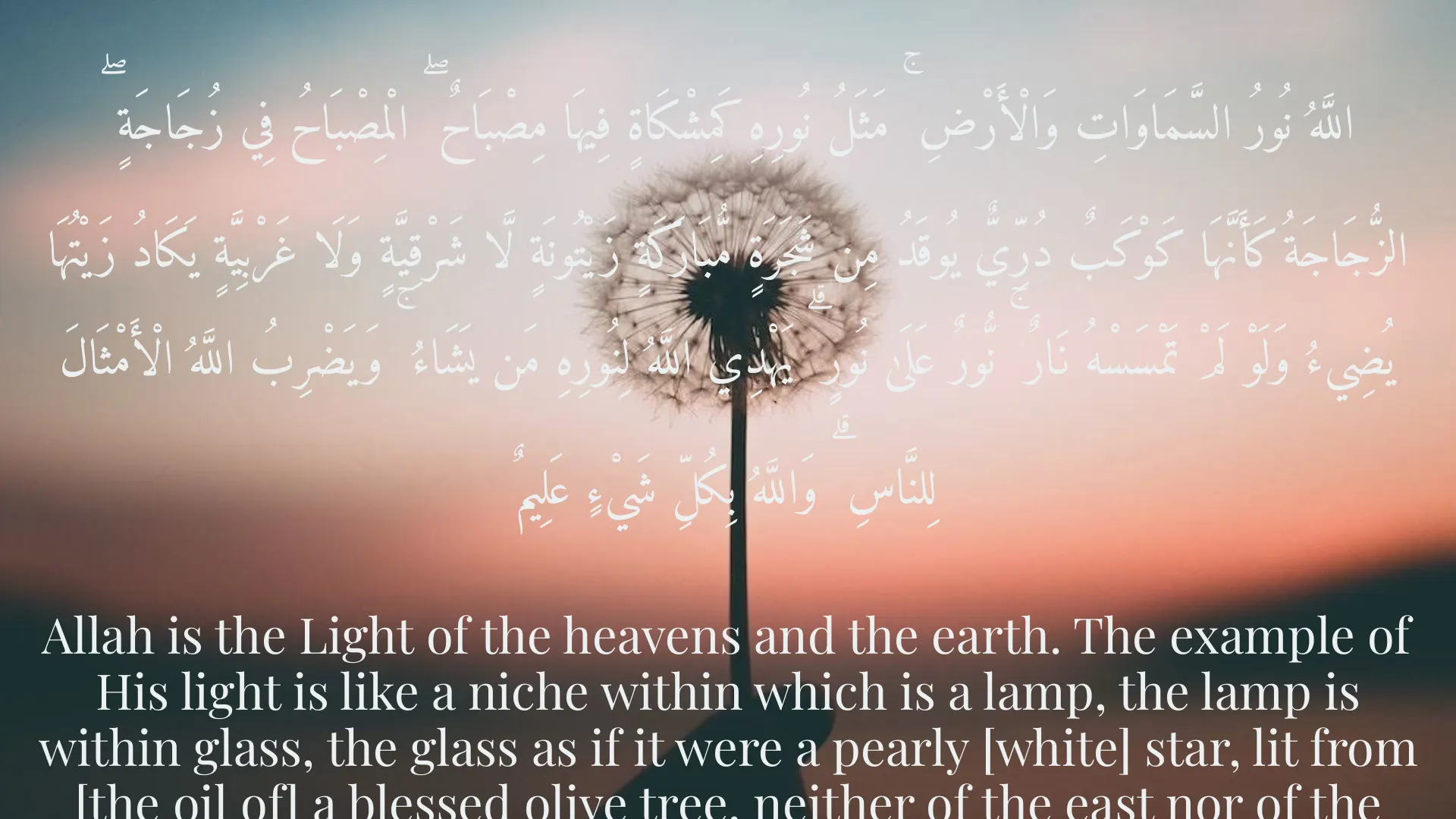
This profound question echoes a universal human experience: moments when we find ourselves engulfed in problems, despair, sorrow, and hopelessness, feeling as though there is no light to guide us out. In such circumstances, the teachings of the Holy Quran not only offer solace to our hearts but also provide a comprehensive roadmap for discovering and understanding the light of divine hope. The Quran teaches us that darkness, no matter how intense, can never eclipse the absolute light of God. Rather, these periods of darkness often serve as opportunities for this divine light to shine even brighter. Divine light is not merely an abstract concept; it is a tangible reality that permeates the hearts of believers and the entirety of existence, always accessible to those who seek it with their hearts and souls. This light is the source of all beauty, tranquility, and breakthroughs that God has prepared for His servants, reflecting His infinite wisdom and compassion. To begin seeing the light of divine hope amidst darkness, the first crucial step is to deeply comprehend the truth that God is the “Light of the heavens and the earth” (Surah An-Nur, verse 35). This noble verse eloquently portrays God's perpetual and pervasive presence as the ultimate source of illumination and guidance throughout all creation. He is not only the Creator of physical light, such as the sun and moon, but also the primary wellspring of spiritual light, insight, guidance, and hope. When a person finds themselves in darkness, this verse serves as a powerful reminder that the inexhaustible source of light is always present; one only needs to turn towards it. This divine light dispels the darkness of ignorance, despair, and hopelessness, revealing the path to liberation. Understanding that God is the absolute source of light creates a profound opening in the human heart. This belief uproots the seeds of despair and, in their place, plants the seeds of reliance (Tawakkul) and hope. When a person embraces this truth, they no longer perceive themselves as isolated or adrift in a void. Instead, they feel connected to an endless source of power, wisdom, and light. This connection signifies a deep inner peace that no storm can shatter, providing stability even in the most turbulent times. Another vital path to finding this light is absolute reliance on God, known as Tawakkul. The Holy Quran repeatedly emphasizes the importance of Tawakkul, recognizing it as one of the fundamental pillars of faith. In Surah At-Talaq, verses 2 and 3, we read: “And whoever fears Allah – He will make for him a way out and will provide for him from where he does not expect. And whoever relies upon Allah – then He is sufficient for him. Indeed, Allah will accomplish His purpose. Allah has already set for everything a [decreed] extent.” These verses are among the strongest sources of hope for those in distress. They assure us that even amidst the greatest difficulties and complexities of life, if we maintain piety and trust in God, He will open a way out of our troubles, often in ways we could never have imagined. Tawakkul means having an unwavering conviction in God's divine plan and entrusting all worries to Him. This reliance does not stem from weakness or inaction; rather, it originates from the utmost strength of faith, enabling individuals to remain resilient and hopeful in the face of adversities, without abandoning their efforts. Tawakkul is akin to entrusting a storm-tossed ship of life to a skilled and knowledgeable captain who is aware of every danger and possesses the power to navigate through any wave. This profound trust frees one from the grip of anxiety, allowing them to await relief with inner tranquility, knowing that God is the best disposer of affairs. In addition to reliance, patience (Sabr) and prayer (Salat) are also key tools for perceiving the light of hope. In Surah Al-Baqarah, verse 153, Allah states: “O you who have believed, seek help through patience and prayer. Indeed, Allah is with the patient.” Patience signifies steadfastness in the face of difficulties, controlling negative emotions, and refusing to surrender to despair. Patience is a key that unlocks the doors of divine mercy and leads individuals towards spiritual growth and maturity. Prayer, too, is not merely a religious obligation but a profound gateway for direct communion with God and a wellspring of spiritual peace. In moments of darkness, prayer acts as a light that illuminates the path and binds the heart to the divine presence. Performing prayer with heartfelt devotion allows an individual to feel that they are not alone and that an infinite power supports them. This sense of divine support is, in itself, the greatest source of hope. Prayer offers us an opportunity to detach from worldly concerns and turn our entire being towards the Absolute Creator, the Most Merciful, the All-Wise. This connection serves as a spiritual purification, cleansing the rust of despair from the heart and preparing it to receive divine light, fostering a sense of profound serenity. One should never despair of Allah's mercy. The Holy Quran clearly articulates this, considering it an integral part of faith. In Surah Yusuf, verse 87, it is stated: “And do not despair of the relief of Allah. Indeed, no one despairs of the relief of Allah except the disbelieving people.” This verse explicitly considers despairing of Allah's mercy a grave sin and a sign of weakness in faith. Therefore, even in the darkest moments of life, one must remember that the doors of God's mercy are never closed. He is the Most Merciful of the merciful and is always ready to rescue His servants from the abyss of despair and call them back to Him. This belief in boundless divine mercy is the driving force of hope within the human heart, enabling it to perceive solace even in the most challenging circumstances. Divine mercy is like rain that falls upon thirsty land after a long drought, bringing life back to it. This mercy manifests not only in material relief but also in inner peace, the power to endure, and the ability to see wisdom behind tribulations, granting an individual a broader perspective on life. Another crucial point the Quran teaches us is the concept of ease after hardship. In Surah Ash-Sharh, verses 5 and 6, God emphasizes twice: “For indeed, with hardship [will be] ease. Indeed, with hardship [will be] ease.” This repetition is to underscore the certainty of this divine promise, leaving no doubt about its fulfillment. These verses remind us that no difficulty is permanent, and after every period of hardship, relief and ease await. This promise serves as a light at the end of the dark tunnel of problems, giving individuals hope that no matter how difficult the circumstances, they will eventually come to an end and improve. This verse instills patience in us and shifts our perspective on problems. Difficulties are passages that must be traversed to reach higher stages, not walls that imprison us forever. Understanding this promise empowers individuals to stand firm against storms and continue their path with faith in God's promise, looking positively towards the future. Finally, the remembrance of God (Dhikrullah) brings tranquility to hearts. “Unquestionably, by the remembrance of Allah hearts are assured” (Surah Ar-Ra'd, verse 28). In times of despair and anxiety, remembering God, reciting the Quran, making supplications (Du'a), and engaging in intimate prayers (Munajat) are the best ways to regain inner peace and perceive divine light. When the heart becomes accustomed to the remembrance of God, there is no longer any room for the darkness of despair and worry. This remembrance establishes a direct connection between the individual and the inexhaustible source of light. This light not only dispels external darkness but also cleanses the rust of sin and heedlessness from the mirror of the heart, making it receptive to reflecting divine light. The remembrance of God is like a lantern that illuminates the path for those lost in the darkness of the night, guiding them to the shore of salvation. This continuous reminder of God's presence reassures individuals that they are never alone and are always under His care and mercy. This sense of presence burns away the roots of despair and instead cultivates the flowers of hope and tranquility, imparting a deeper meaning to life. Therefore, perceiving the light of divine hope amidst darkness requires an active and faith-based approach. This approach involves complete reliance on God, patience in the face of adversities, persistence in prayer and supplication, and never despairing of His boundless mercy. By adhering to these Quranic teachings, we can not only overcome darkness but also utilize it as an opportunity for spiritual growth and strengthening our faith. With every step, we can experience the light of divine guidance and hope more profoundly and learn a great lesson from every challenge. This is the path of spiritual life, where every moment can be a ray of divine light.
Related Verses
اللَّهُ نُورُ السَّمَاوَاتِ وَالْأَرْضِ ۚ مَثَلُ نُورِهِ كَمِشْكَاةٍ فِيهَا مِصْبَاحٌ ۖ الْمِصْبَاحُ فِي زُجَاجَةٍ ۖ الزُّجَاجَةُ كَأَنَّهَا كَوْكَبٌ دُرِّيٌّ يُوقَدُ مِن شَجَرَةٍ مُّبَارَكَةٍ زَيْتُونَةٍ لَّا شَرْقِيَّةٍ وَلَا غَرْبِيَّةٍ يَكَادُ زَيْتُهَا يُضِيءُ وَلَوْ لَمْ تَمْسَسْهُ نَارٌ ۚ نُّورٌ عَلَىٰ نُورٍ ۗ يَهْدِي اللَّهُ لِنُورِهِ مَن يَشَاءُ ۚ وَيَضْرِبُ اللَّهُ الْأَمْثَالَ لِلنَّاسِ ۗ وَاللَّهُ بِكُلِّ شَيْءٍ عَلِيمٌ
Allah is the Light of the heavens and the earth. The example of His light is like a niche within which is a lamp, the lamp is within glass, the glass as if it were a pearly [white] star, lit from [the oil of] a blessed olive tree, neither of the east nor of the west, whose oil would almost illuminate even if no fire touched it. Light upon light. Allah guides to His light whom He wills. And Allah presents examples for the people, and Allah is Knowing of all things.
An-Nur : 35
فَإِنَّ مَعَ الْعُسْرِ يُسْرًا
For indeed, with hardship [will be] ease.
Ash-Sharh : 5
إِنَّ مَعَ الْعُسْرِ يُسْرًا
Indeed, with hardship [will be] ease.
Ash-Sharh : 6
يَا بَنِيَّ اذْهَبُوا فَتَحَسَّسُوا مِن يُوسُفَ وَأَخِيهِ وَلَا تَيْأَسُوا مِن رَّوْحِ اللَّهِ ۖ إِنَّهُ لَا يَيْأَسُ مِن رَّوْحِ اللَّهِ إِلَّا الْقَوْمُ الْكَافِرُونَ
O my sons, go and find out about Joseph and his brother and do not despair of the relief of Allah. Indeed, no one despairs of the relief of Allah except the disbelieving people.
Yusuf : 87
فَإِذَا بَلَغْنَ أَجَلَهُنَّ فَأَمْسِكُوهُنَّ بِمَعْرُوفٍ أَوْ فَارِقُوهُنَّ بِمَعْرُوفٍ وَأَشْهِدُوا ذَوَيْ عَدْلٍ مِّنكُمْ وَأَقِيمُوا الشَّهَادَةَ لِلَّهِ ۚ ذَٰلِكُمْ يُوعَظُ بِهِ مَن كَانَ يُؤْمِنُ بِاللَّهِ وَالْيَوْمِ الْآخِرِ ۚ وَمَن يَتَّقِ اللَّهَ يَجْعَل لَّهُ مَخْرَجًا
And when they have fulfilled their term, either retain them according to acceptable terms or part with them according to acceptable terms. And bring to witness two just men from among you and establish the testimony for Allah. That is instructed to whoever believes in Allah and the Last Day. And whoever fears Allah - He will make for him a way out.
At-Talaq : 2
وَيَرْزُقْهُ مِنْ حَيْثُ لَا يَحْتَسِبُ ۚ وَمَن يَتَوَكَّلْ عَلَى اللَّهِ فَهُوَ حَسْبُهُ ۚ إِنَّ اللَّهَ بَالِغُ أَمْرِهِ ۚ قَدْ جَعَلَ اللَّهُ لِكُلِّ شَيْءٍ قَدْرًا
And will provide for him from where he does not expect. And whoever relies upon Allah - then He is sufficient for him. Indeed, Allah will accomplish His purpose. Allah has already set for everything a [decreed] extent.
At-Talaq : 3
Short Story
In ancient times, there lived a merchant named Karim who suffered a severe bankruptcy, losing all his possessions. Grief and sorrow cast such a deep shadow over his heart that he could see no light left in his life, and despair had bound him like chains. One day, passing by a monastery, he heard a dervish chanting with a melodious voice: 'O heart, if you find yourself in the darkness of night, know that dawn is near, and whoever binds their heart to the Truth will never go astray.' Hearing these words, Karim was deeply moved. He remembered Saadi's eloquent saying: 'A man is known in times of hardship.' He realized, 'Where does all this despair come from? Is it not that God is the Provider and the Most Merciful?' With a broken heart and tearful eyes, he sought refuge at the threshold of God, praying with all his being for forgiveness and a way out. He spent the night in prayer and supplication. With every tear he shed, it felt as though a burden was lifted from his heart. In the morning, with a renewed spirit and firm resolve, he emerged from the monastery. Relying on God and redoubling his efforts, he began to work, and gradually, a breakthrough appeared in his affairs. He realized that the darkness had only been an opportunity for the light of faith to shine brighter, and true hope emanates from reliance on the Creator of existence, not from man's meager worldly possessions.