Quranic Answer
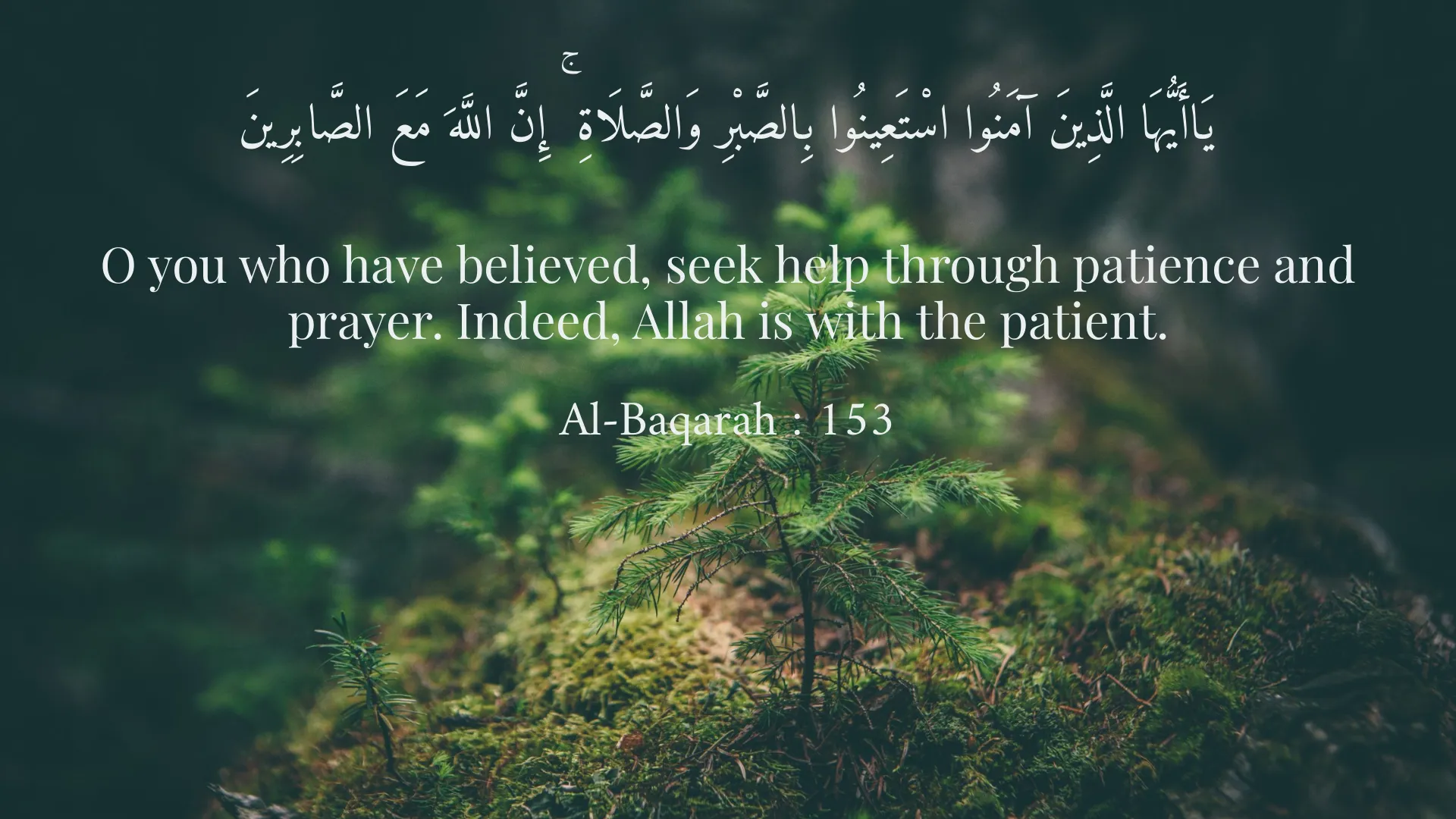
Patience (Sabr) in Islamic culture, especially as illuminated by the verses of the Holy Quran, is not merely a virtue but the very backbone of faith and the key to salvation in this world and the Hereafter. When we encounter difficulties and calamities, the Quran offers clear and profound guidance on how to maintain tranquility and steadfastness. Patience is not passive endurance; rather, it is an active resistance, self-restraint, and unwavering persistence in the path of truth, even in the face of the most severe trials. This virtue encompasses three primary dimensions: patience in obeying Allah, patience in refraining from sins, and patience in the face of afflictions and calamities. All three dimensions play a fundamental role in shaping a strong character that relies entirely on God. The Holy Quran instructs believers to seek help through patience and prayer in all circumstances, especially during times of hardship. Seeking help through prayer does not merely refer to performing daily rituals, but signifies a deep, heartfelt connection with the Creator of the universe. Prayer serves as a refuge for the believer amidst the storms of life; it is a point where one can lay bare all worries and concerns before the Almighty and seek assistance from His infinite power and wisdom. In this state, prayer becomes a source of tranquility for hearts and a fortifier of patience and resilience. Numerous verses in the Quran emphasize that Allah is with the patient; this companionship implies not only spiritual support but also divine facilitation in affairs and assistance in critical moments. Knowing that Allah is watching over us and that everything that befalls us is by His knowledge and wisdom grants immense strength to endure. One of the most crucial lessons on patience from the Quran is the acceptance of the truth that this world is a realm of trials and tests. Every human being is tested in some way: sometimes with fear and hunger, sometimes with loss of life and wealth, and sometimes with scarcity of fruits and produce. These trials are not meant to punish but to gauge one's faith and elevate their spiritual status. Whoever exercises patience during these tests will not only receive an immense and immeasurable reward in the Hereafter but will also benefit from divine guidance and mercy in this world. The glad tidings for the patient mentioned in the Quran promise a reward beyond our imagination, one that cannot be measured by worldly calculations. This divine promise motivates individuals not to succumb to problems but to continue their journey with reliance on Allah. To cultivate patience in difficult situations, we can adopt several practical steps based on Quranic teachings. The first step is a constant reminder that all hardships are temporary. This world is not a permanent abode, and every suffering has an end. This perspective helps one broaden their outlook when facing problems, allowing them to consider the eternal consequences. The second step is complete reliance (Tawakkul) on Allah. Tawakkul means entrusting one's affairs to Him and being confident that He wills what is best for us, even if it appears unpleasant at first glance. This reliance eliminates anxiety and brings inner peace. The third step involves reflecting on the stories of prophets and righteous individuals mentioned in the Quran. The story of Prophet Ayub, who overcame illness and poverty with unparalleled patience; the story of Prophet Yaqub and his prolonged patience during the separation from Yusuf until their eventual reunion; and the life of Prophet Muhammad (PBUH), filled with trials, yet he remained steadfast in the face of persecution—all serve as brilliant examples of patience amidst extreme hardship. These narratives demonstrate that patience is a path trodden by all righteous servants of Allah. The fourth step is gratitude, even amidst difficulties. Gratitude for the blessings we still possess – for health, for family, and even for the lessons learned from challenges. This mental approach helps shift our perspective on the situation and prevents despair from overcoming us. The Quran invites us to be grateful in all circumstances, as gratitude leads to an increase in blessings and divine pleasure. The fifth step is the constant remembrance of Allah (Dhikr). Recitations such as "La hawla wa la quwwata illa billah" (There is no might or power except with Allah) and other forms of remembrance impart spiritual strength and resilience against temptations and despair. Finally, understanding that every hardship and affliction that befalls a person atones for their sins and purifies them is a significant factor in cultivating patience. Paradise is the reward for the patient, and no reward is greater than the pleasure of Allah and entry into the highest heavens. Therefore, patience is truly a bridge to eternal felicity and a means to attain divine satisfaction and true tranquility in this world and the Hereafter. By considering these points, we can remain patient even in the most challenging circumstances and benefit from Allah's support and assistance.
Related Verses
يَاأَيُّهَا الَّذِينَ آمَنُوا اسْتَعِينُوا بِالصَّبْرِ وَالصَّلَاةِ ۚ إِنَّ اللَّهَ مَعَ الصَّابِرِينَ
O you who have believed, seek help through patience and prayer. Indeed, Allah is with the patient.
Al-Baqarah : 153
وَلَنَبْلُوَنَّكُم بِشَيْءٍ مِّنَ الْخَوْفِ وَالْجُوعِ وَنَقْصٍ مِّنَ الْأَمْوَالِ وَالْأَنفُسِ وَالثَّمَرَاتِ ۗ وَبَشِّرِ الصَّابِرِينَ
And We will surely test you with something of fear and hunger and a loss of wealth and lives and fruits, but give good tidings to the patient,
Al-Baqarah : 155
قُلْ يَا عِبَادِ الَّذِينَ آمَنُوا اتَّقُوا رَبَّكُمْ ۚ لِلَّذِينَ أَحْسَنُوا فِي هَٰذِهِ الدُّنْيَا حَسَنَةٌ ۗ وَأَرْضُ اللَّهِ وَاسِعَةٌ ۗ إِنَّمَا يُوَفَّى الصَّابِرُونَ أَجْرَهُم بِغَيْرِ حِسَابٍ
Say, "O My servants who have believed, fear your Lord. For those who do good in this world is good, and Allah's earth is spacious. Indeed, the patient will be given their reward without account."
Az-Zumar : 10
Short Story
It is narrated that a certain caravan leader of his time possessed vast wealth and lived a life of luxury. Suddenly, fortune turned its back on him, his wealth was lost, and he fell from affluence into poverty. His companions and friends all turned away, leaving him alone. Overwhelmed by grief and destitution, he became reclusive, lamenting his ill fate with great sorrow each day. A wise old man, hearing of his plight, visited him and said: "My friend, you know that this world is not a place of permanence, and all that exists is but a temporary trust. Do not grieve, for there is no reason to. Perhaps this poverty is a path to inner peace and reliance on the Creator. Instead of wailing, consider what lessons can be learned from this hardship. Have you not heard that 'patience is the key to unlocking every closed door, and hope is the illuminating lamp of hearts'"? Upon hearing these words, the man came to his senses and, instead of complaining, sought refuge in remembrance (Dhikr) and prayer. Before long, by divine grace, sustenance reached him from an unexpected source, and his life took a new turn. He realized that the key to unlocking difficulties lay not in wealth or status, but in patience and reliance on God.