Quranic Answer
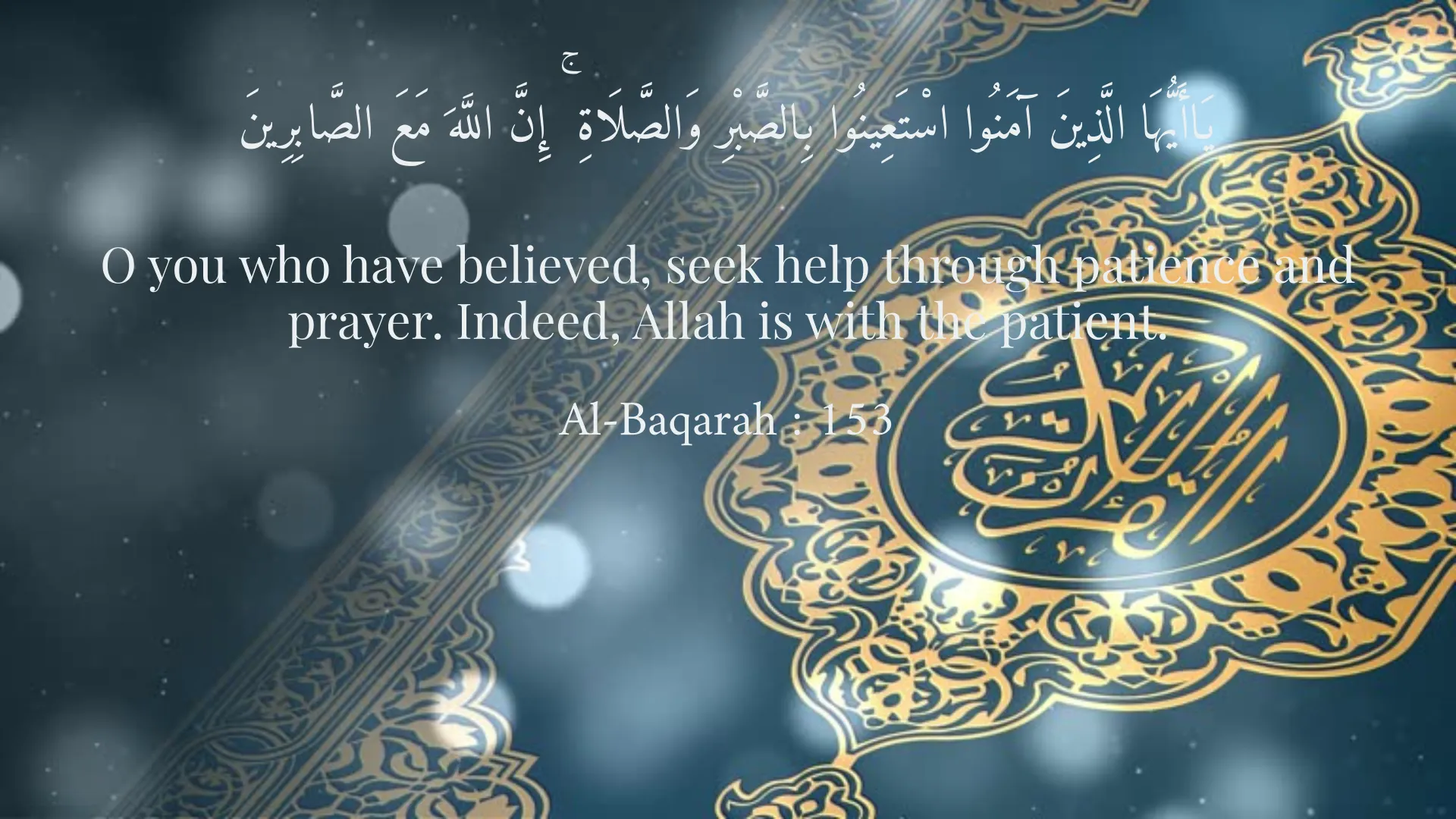
Patience is one of the most profound qualities a person can possess, and it is especially emphasized in Islam. Within the teachings of the Holy Quran, the concept of patience is not merely a suggestion; it is treated as a foundational virtue that underpins a Muslim's faith and character. The significance of patience is articulated in various verses, with one of the most cited being Surah Al-Baqarah, verse 153, where Allah instructs believers to seek help through patience and prayer. This guidance serves as a reminder that when faced with challenges and difficulties, it is essential to turn to God, relying on Him to cultivate within us a sense of calmness and resilience. When we delve deeper into the notion of patience, we find that it is not merely about enduring hardship. Rather, it encompasses a broader spectrum of behavior that reflects a person's disposition and relationship with their surroundings. In times of adversity, the importance of patience and endurance becomes even more pronounced. Life is replete with trials and tribulations, and it is through our reactions to these events that our true character is revealed. A patient person demonstrates grace under pressure, an ability to withstand the storms of life without losing composure or resorting to despair. One effective method for cultivating patience is to engage in sincere reflection on the verses of the Quran as well as the lives of the Prophets, particularly that of Prophet Muhammad (peace be upon him). The life of the Prophet exemplifies patience in the face of significant challenges. Every episode from his life, whether it be the persecution he faced in Mecca or the trials during his migration to Medina, serves as a compelling narrative of perseverance and faith. For instance, the Prophet (PBUH) encountered immense trials, yet he remained steadfast, providing a model of patience for all believers. What is more noteworthy is how Prophet Muhammad (PBUH) responded to adversity. Rather than allowing frustration or anger to dictate his actions, he consistently turned to prayer and reflection. In doing so, he demonstrated that patience is, in many ways, an active engagement with one's faith, rather than mere passivity in the face of challenges. This practice of maintaining a close connection with Allah through prayer not only provided him solace and strength but serves as an important lesson for us in our daily lives – to find refuge and resilience through our spiritual practices. Furthermore, patience can be cultivated through the mastery of one’s desires. In a world where immediate gratification is often sought, learning to refrain from impulsive reactions to situations can profoundly impact our lives. For instance, when faced with challenges, whether they be personal or professional, taking a step back to evaluate and respond thoughtfully can help us to act with patience. It is during these moments that we can harness the power of reflection, creating space between our feelings and our reactions. The Quran further supports this journey towards patience. In Surah Al-Imran, verse 200, Allah advises believers to be patient and to place their trust in Him. This verse serves as both a comfort and a reminder that, while we face life’s inevitable challenges, we are not alone in our struggle. It reinforces the idea that God is with us, and through patience, we can draw closer to Him. The act of being patient does not just reflect our intent to handle challenges but also signifies our faith in divine wisdom, reminding us that Allah’s timing is always perfect. Nurturing patience within ourselves requires a continuous practice akin to cultivating a garden; it thrives with care, time, and effort. This process does not happen overnight, nor is it free of difficulty. We may falter or find ourselves overwhelmed by emotions, but it is crucial to remember that each step taken towards patience is a step towards enhancing our faith and achieving inner peace. It is essential not to lose hope in this journey. The more we strive to embody patience, the more we learn to accept life’s challenges not as burdens but rather as opportunities for growth. Moreover, the community plays a vital role in nurturing patience. Engaging in discussions with others who share similar beliefs can reinforce our commitments to patience and faith. Associating with fellow believers provides a support network that can motivate us to remain steadfast in our journeys. Shared experiences often yield valuable lessons and can serve as reminders of the importance of maintaining patience, especially in times of difficulty. In summary, patience is integral to both personal development and spiritual maturity. It is a virtue that not only strengthens our relationship with Allah but also cultivates resilience in the face of life’s challenges. Through reflections on the Quran and the exemplary life of Prophet Muhammad (PBUH), we are reminded of the strength that patience provides us. By practicing self-control, engaging in prayer, and building supportive communities, we can foster patience in our lives. This journey of cultivating patience is ongoing and deeply rewarding, not only enhancing our faith but also leading us towards a state of inner peace. As we navigate the complexities of life, let us remember that patience is not the absence of action, but a powerful commitment to maintaining grace and trust in God amid the storms of life.
Related Verses
يَاأَيُّهَا الَّذِينَ آمَنُوا اسْتَعِينُوا بِالصَّبْرِ وَالصَّلَاةِ ۚ إِنَّ اللَّهَ مَعَ الصَّابِرِينَ
O you who have believed, seek help through patience and prayer. Indeed, Allah is with the patient.
Al-Baqarah : 153
يَا أَيُّهَا الَّذِينَ آمَنُوا اصْبِرُوا وَصَابِرُوا وَرَابِطُوا وَاتَّقُوا اللَّهَ لَعَلَّكُمْ تُفْلِحُونَ
O you who have believed, persevere and endure and remain stationed and fear Allah that you may be successful.
Al-Imran : 200
Short Story
One day, a woman visited the Prophet Muhammad (PBUH) and shared her life difficulties with him. The Prophet (PBUH) guided her towards the path of patience and resilience, saying, "Expect a great reward from Allah for your patience." Remembering these words, the woman practiced patience in her life and overcame her challenges.