Quranic Answer
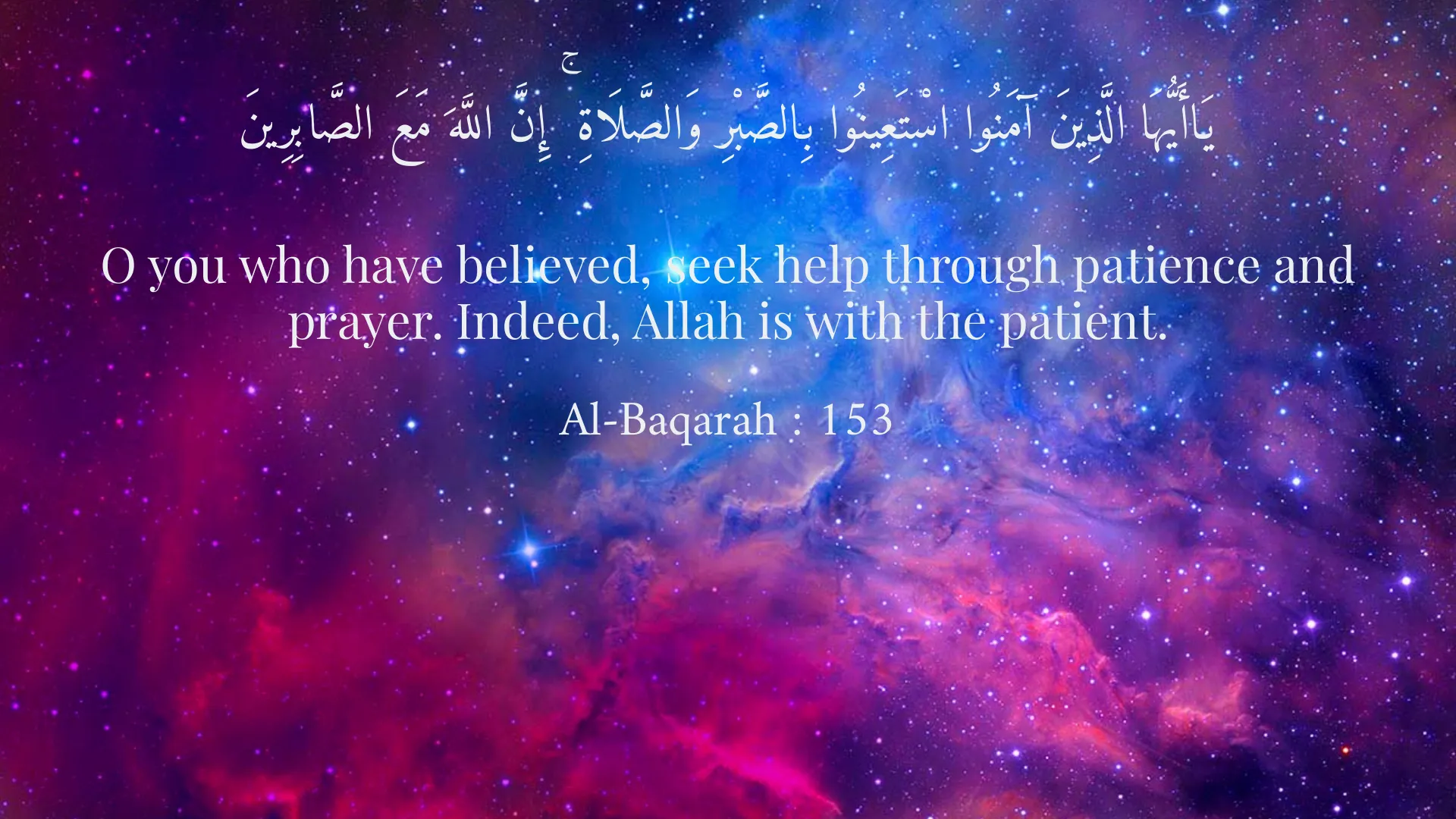
Patience (Sabr) is the backbone of faith and one of the most fundamental virtues repeatedly emphasized in the Holy Quran. Practicing true patience is not merely passive endurance of difficulties, but an active and conscious process that involves steadfastness in facing challenges, perseverance in fulfilling religious duties, and resistance against sinful temptations. The Quran introduces patience as a means to achieve inner peace and a path to invoke divine help and mercy. To understand and practice true patience, one must first grasp its profound meaning from a Quranic perspective. Patience does not mean absolute surrender to divine decree without effort, but rather standing firm and resisting on the path of truth, with reliance and hope in God. In Surah Al-Baqarah, verse 153, the Quran states: “O you who have believed, seek help through patience and prayer. Indeed, Allah is with the patient.” This verse clearly indicates that patience is not a passive act, but a powerful tool to seek assistance from Allah, which must be accompanied by prayer and a heartfelt connection with the Creator. Patience can be practiced in three primary domains: 1. Patience in the face of calamities and adversities (Sabr 'ala al-bala'): Life is full of ups and downs, trials and tribulations. The Quran says: “And We will surely test you with something of fear and hunger and a loss of wealth and lives and fruits, but give good tidings to the patient.” (Al-Baqarah: 155). When confronted with hardships, true patience means accepting Allah's decree, refraining from despair or excessive lamentation, and relying on God. This type of patience is often accompanied by reciting “Indeed we belong to Allah, and indeed to Him we will return” (Inna Lillahi wa inna ilayhi raji'un), which signifies a deep monotheistic insight and belief in the ultimate return to Allah. This acceptance is not born of weakness, but of the strength of faith, knowing that every hardship contains hidden wisdom and is a test designed to elevate one's spiritual rank. Remembering the immense, uncalculated reward for the patient in the Hereafter serves as a strong motivation to endure these difficulties. 2. Patience in performing acts of obedience and worship (Sabr 'ala at-ta'ah): Performing acts of worship and religious duties, especially in the face of worldly distractions and temptations, requires patience and steadfastness. The five daily prayers, fasting, Hajj, giving charity, and other righteous deeds each demand a certain degree of patience. Perseverance in performing worship, even when feeling tired or unmotivated, is a manifestation of true patience. For instance, waking up for the Fajr prayer on a cold winter morning or resisting thirst and hunger during long summer fasting days are all examples of patience in obedience. This patience establishes an individual firmly on the path of servitude and helps them forgo transient worldly pleasures for the sake of divine pleasure. 3. Patience in abstaining from sins and desires (Sabr 'ani al-ma'asi): Perhaps the most challenging type of patience is resisting sinful temptations, carnal desires, and unlawful cravings. In today's world, where sin presents itself in various forms, abstaining from it requires strong will and unparalleled patience. This patience involves controlling the tongue from backbiting and lying, controlling the eyes from unlawful glances, controlling the hands from injustice and betrayal, and controlling the mind from evil thoughts. Practicing this type of patience purifies an individual from impurities and guides them towards piety and spiritual purity. This active resistance against evil is a sign of true maturity and self-purification. Practical methods for cultivating true patience: * Reliance on Allah (Tawakkul): Complete trust in Allah's wisdom and planning is the cornerstone of patience. When a person knows that nothing happens without Allah's permission and that He is the best Planner, their heart finds peace, and patience becomes easier. The Quran states: “And whoever relies upon Allah – then He is sufficient for him.” (At-Talaq: 65:3). * Prayer (Salat) and Supplication (Du'a): As mentioned in Al-Baqarah 153, prayer is a refuge and a source of tranquility. Connecting with the Creator through prayer gives an individual strength and hope. Du'a is also a way to express weakness and need for Allah's help. Ask Allah to grant you patience and steadfastness. * Recalling the immense reward for the patient: The Quran states: “Indeed, the patient will be given their reward without account.” (Az-Zumar: 39:10). Knowing this boundless reward makes enduring hardships sweet. * Reflecting on the wisdom behind trials: Understanding that hardships are a means for growth, purification of sins, and elevation of spiritual ranks helps an individual view them more positively. No trial or affliction comes without wisdom. * Emulating Prophets and pious individuals: The lives of the Prophets of Allah (such as Ayyub, Yusuf, and Prophet Muhammad, peace be upon them all) are prime examples of patience in the most severe conditions. Studying their lives and emulating their patience can be highly inspiring. * Acquiring knowledge: The deeper a person's understanding of Allah and the reality of this world, the easier it will be to accept realities and be patient in the face of them. Knowledge that this world is fleeting and the Hereafter is everlasting changes one's perspective on problems. * Associating with patient and righteous people: Spending time with those who are themselves patient and steadfast gives positive energy and strengthens one's spirit. Ultimately, true patience is not a momentary virtue but a way of life that must be continuously practiced. This patience is a sign of true faith, deep reliance on Allah, and spiritual maturity, which not only brings peace and success in this world but also leads to boundless rewards in the Hereafter. Through continuous practice of patience, one reaches a station that Allah recommends in Surah Al-Asr: “And enjoined upon each other truth and enjoined upon each other patience.” This injunction highlights the vital importance of patience in the individual and communal lives of Muslims.
Related Verses
يَاأَيُّهَا الَّذِينَ آمَنُوا اسْتَعِينُوا بِالصَّبْرِ وَالصَّلَاةِ ۚ إِنَّ اللَّهَ مَعَ الصَّابِرِينَ
O you who have believed, seek help through patience and prayer. Indeed, Allah is with the patient.
Al-Baqarah : 153
وَلَنَبْلُوَنَّكُم بِشَيْءٍ مِّنَ الْخَوْفِ وَالْجُوعِ وَنَقْصٍ مِّنَ الْأَمْوَالِ وَالْأَنفُسِ وَالثَّمَرَاتِ ۗ وَبَشِّرِ الصَّابِرِينَ
And We will surely test you with something of fear and hunger and a loss of wealth and lives and fruits, but give good tidings to the patient,
Al-Baqarah : 155
قُلْ يَا عِبَادِ الَّذِينَ آمَنُوا اتَّقُوا رَبَّكُمْ ۚ لِلَّذِينَ أَحْسَنُوا فِي هَٰذِهِ الدُّنْيَا حَسَنَةٌ ۗ وَأَرْضُ اللَّهِ وَاسِعَةٌ ۗ إِنَّمَا يُوَفَّى الصَّابِرُونَ أَجْرَهُم بِغَيْرِ حِسَابٍ
Say, "O My servants who have believed, fear your Lord. For those who do good in this world is good, and Allah's earth is spacious. Indeed, the patient will be given their reward without account."
Az-Zumar : 10
Short Story
It is narrated that a dervish was conversing with a king. The king asked, 'How is it that I possess so much wealth and power, yet sometimes I find no peace in my heart, while you, despite all your poverty, are always joyful and dignified?' The dervish smiled and said, 'O King! Peace arises from patience and contentment, not from treasures and crowns. He who entrusts his heart to God and is patient with His decree holds heavenly treasures within himself. I have made patience my provision for the journey, and I know that whatever comes, it is from Him, and there is a hidden good in it. Worry belongs to him who yearns for what he does not have and is not content with what he possesses. Patience is the key to unlocking every knot, and its reward is immeasurable.' The king was moved by the dervish's words and thereafter sought to emulate the dervish's patience.