Quranic Answer
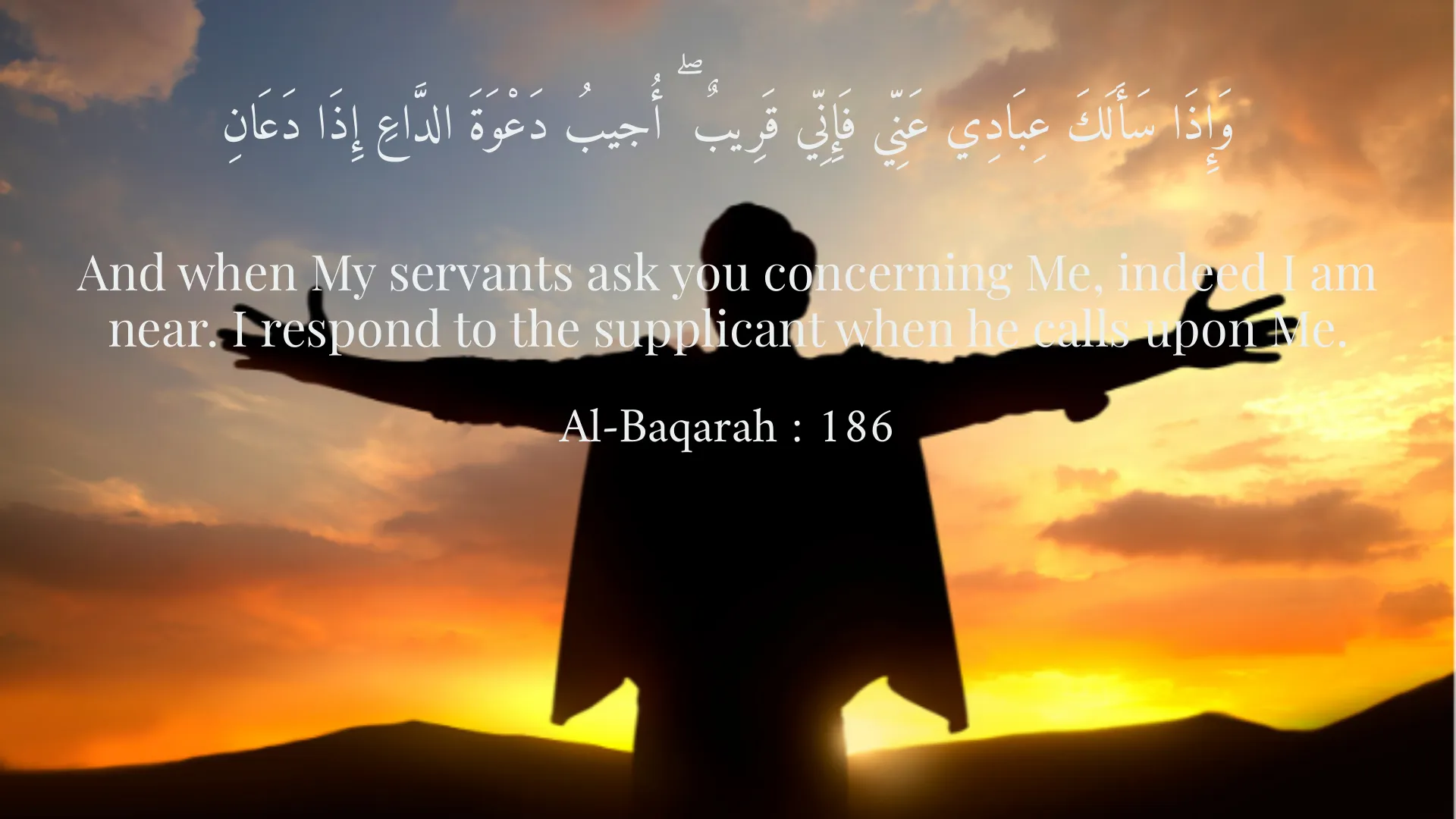
To pray with the heart and not just the tongue, it is essential first to establish a deep connection with God. True prayer is a spiritual practice that transcends mere words; it represents a heartfelt communion with the divine. Countless traditions and religions emphasize the importance of intention and mindfulness in prayer, but few illustrate this connection as profoundly as the Holy Quran. The Quran teaches us that prayer, in its true essence, must be offered with a pure intention and a heart full of awareness. This notion is particularly highlighted in Surah Al-Baqarah, verse 186, which states, 'And when My servants ask you concerning Me, indeed I am near. I respond to the supplicant when he calls upon Me.' This foundational verse denotes not only the closeness of Allah to His creation but also underscores the importance of heartfelt prayer—a communication where both the words and the intent resonate deeply within our souls. Understanding the significance of praying with the heart requires introspection and preparation. It is not merely about reciting words in a ritualistic manner; it involves engaging with the essence of what is being said and allowing those words to resonate within ourselves. To truly pray with the heart, it is better to sit in silence for a few minutes before we start praying, preparing our mind and heart. This act of pausing serves as a transitional phase that allows us to shift our focus away from the distractions of the outside world and direct our attention inward. During this reflection, we can engage in deep breathing or meditation to shake off distracting thoughts and center ourselves on the thoughts, feelings, and requests we wish to convey to God. In addition to preparation, the practice of recalling God's blessings and mercies in our lives can significantly enrich our prayers, assisting us in praying more sincerely and deeply. By acknowledging the abundance of kindness we have received, we foster an attitude of gratitude which naturally inspires more heartfelt communication with God. Reflecting on moments when we felt the divine's intervention in our lives or overwhelming support during challenging times instills a sense of closeness and reverence in our hearts. This awareness not only prepares us for prayer but shapes the very fabric of our requests and gratitude expressed during these sacred conversations. Moreover, the practice of repeating heartfelt prayers and understanding their meanings can help us grasp the soul of prayer itself. This is where the act transitions from mere words spoken aloud to a soulful request emanating from the heart. The Quran offers numerous prayers that encapsulate desired sentiments, aligning with a wide range of human experiences. By immersing ourselves in their meanings, we articulate expressions of our innermost emotions and desires while communing with the Divine. Our prayer becomes a manifestation of our true selves, enabling us to bring forth our joys, sorrows, and aspirations before God with utmost sincerity. The transformative nature of prayer is further enhanced when we immerse ourselves in the ritual of devotion. Regularly engaging in prayer creates a rhythm in our lives, fostering spiritual growth. Each act of prayer can be seen as not only a moment of submission but also as an opportunity for reflection and reconnection with our purpose. Over time, this consistent practice cultivates a stronger sense of divine connection. Additionally, the intention behind the prayers we offer shapes our experiences. A heart that earnestly seeks guidance and support from the divine finds clarity and understanding even amidst uncertainty. Therefore, it is crucial that our hearts engage in prayer, bringing us a closer feeling to God. Each time we raise our hands in supplication or bow our heads in submission, we must remind ourselves that we are not just performing a duty, but engaging in a transformative experience that has the potential to illuminate our paths. Entering each prayer with an open heart, free from preconceived notions or expectations, allows room for deep connection, fostering a genuine conversation between ourselves and our Maker. In the realm of spiritual practices, prayer holds a unique place, acting as a bridge between humanity and the divine. It becomes a vessel through which we express our innermost thoughts, fears, and aspirations. The strength of prayer lies not merely in the delivery of words but within the fervor of our hearts. Understanding the profound impact that heartfelt prayer has on our lives can empower us to seek a more intimate relationship with God. In conclusion, praying with the heart—rather than just the tongue—invites engagement between ourselves and the divine in a manner that is deeply profound and transformative. It necessitates preparation, reflection, and gratitude, which altogether create an environment conducive for sincere communication. Engaging with our prayers on a deeper level not only enriches our spiritual journey but also provides a pathway for transcending challenges and deepening our relationship with God. By frequently returning to the essence of heartfelt prayer, we cultivate a profound spiritual connection that resonates through our daily lives, leading us closer to peace, guidance, and fulfillment. As we endeavor to connect with God through heartfelt prayer, let us remember the sacredness of the moments we share in devotion—that each prayer carries within it the potential for transformation, understanding, and an enduring relationship with the divine.
Related Verses
وَإِذَا سَأَلَكَ عِبَادِي عَنِّي فَإِنِّي قَرِيبٌ ۖ أُجيبُ دَعْوَةَ الدَّاعِ إِذَا دَعَانِ
And when My servants ask you concerning Me, indeed I am near. I respond to the supplicant when he calls upon Me.
Al-Baqarah : 186
Short Story
Once upon a time, there was a man who had great faith in his prayers. However, he realized that his prayers did not resonate with his heart. One day, while sitting in a quiet place, he happened to reflect on the verses of the Quran and the true essence of praying with the heart. He decided to offer his prayers daily with pure intention and heartfelt sincerity. After a while, he experienced greater peace in his life, and his prayers were answered.