Quranic Answer
Preserving oneself in a society that may seem devoid of spirituality is one of the greatest challenges of our era. In a world where materialistic tendencies and superficiality often prevail, many individuals may feel that their faith and spiritual values are at risk. However, the Holy Quran offers a comprehensive guide for navigating these challenges and maintaining the health of one's soul and faith in all circumstances. These strategies are built upon strengthening one's connection with God, steadfastness upon moral and spiritual principles, and a conscious choice of lifestyle. To achieve this, several Quranic principles can help us remain like a shining gem amidst the dust, radiant and firm. The first and most fundamental step to preserving spirituality in a spiritless society is to strengthen one's personal connection with Allah the Almighty. This connection goes beyond merely fulfilling religious obligations; it signifies the constant presence of God in all aspects of life, from small decisions to the biggest challenges. Prayer (Salah), supplication (Dua), remembrance of God (Dhikr), and recitation of the Quran are the pillars of this connection. Salah is not just an obligation but the ascension of the believer and an opportunity for solitude with the Lord, which purifies the heart and brings peace to the soul. Dhikr helps us feel the presence of God at every moment and in every place, preventing heedlessness. Recitation of the Quran sheds the light of knowledge upon the heart, distinguishing the right path from the wrong. As stated in Surah Al-Baqarah, verse 153: "O you who have believed, seek help through patience and prayer. Indeed, Allah is with the patient." This verse indicates that patience and prayer are key tools for confronting difficulties and maintaining spiritual resilience. The second principle is steadfastness and perseverance (Istiqamah) upon truth and ethical principles. In a society where values may be subject to change or ridicule, one must stand firm like a mountain. This steadfastness means inflexibility in matters of truth and consistency in beliefs. The Holy Quran repeatedly emphasizes the importance of steadfastness and firmness of step. In Surah Fussilat, verse 30, we read: "Indeed, those who have said, 'Our Lord is Allah' and then remained on a right course - the angels will descend upon them, [saying], 'Do not fear and do not grieve but receive good tidings of Paradise, which you were promised.'" This steadfastness is not only internal but must also be manifested in external actions and behavior. The third strategy is the conscious choice of companions and environment. A person is influenced by their environment and those they associate with. In a society that may lack spirituality, it is crucial to strive to find and accompany individuals who share common spiritual values. These individuals can act as supporters and strengtheners of faith, providing a safe environment for spiritual growth. The Holy Quran strongly emphasizes the importance of companionship with the righteous and prohibits association with evildoers. This choice can include attending religious gatherings and circles, participating in charitable and spiritual activities, and even consciously using media and information sources that help strengthen spiritual morale, rather than weakening it. Maintaining spiritual boundaries is also essential, knowing when to disengage from conversations or activities that pull one away from their values. The fourth principle is to avoid being engrossed in materialism and worldly attachments. A spiritless society is often intertwined with consumerism and the worship of worldly appearances. The Quran warns that excessive attachment to this world can divert a person from the primary purpose of creation and the Hereafter. This world is a cultivation field for the Hereafter and should not be viewed as the ultimate destination. Contentment, avoiding extravagance and ostentation, and charity in the way of Allah are ways to free oneself from the shackles of materialism and maintain the purity of the soul. This does not mean abandoning the world, but rather having a correct perspective on it and using it in the path of divine pleasure. The fifth point is continuous self-purification and self-accountability (Muhasabah al-Nafs). In an environment that might encourage self-admiration and forgetfulness of one's faults, continuous self-improvement and attention to inner weaknesses become even more important. Every night before sleep, reviewing daily actions and evaluating them can help a person prevent small deviations and continue on the path of growth. Repentance and returning to God after every slip keeps the heart pure and opens the way for spiritual development. This continuous self-purification immunizes a person against the influence of inappropriate thoughts and values of society. The sixth aspect is enjoining good and forbidding evil to the best of one's ability. Although the primary goal is self-preservation, this preservation does not mean complete isolation and indifference to society. A true believer tries to radiate a light of spirituality in society through their words and actions. This does not mean fighting evil, but rather inviting to good and promoting divine values with wisdom and good counsel. Even a kind smile, a hopeful word, or a small act of charity can have significant impacts on the surrounding environment and make the societal atmosphere slightly more spiritual. In Surah Al-Asr (verses 1-3), Allah says: "By time, Indeed, mankind is in loss, Except for those who have believed and done righteous deeds and advised each other to truth and advised each other to patience." This Surah clearly shows that salvation from loss in society is only possible through faith, righteous deeds, and mutual advising to truth and patience. In conclusion, preserving oneself in a spiritless society requires a strong will, reliance on God, and relentless effort. This is not an overnight path but a lifelong journey where every small step towards God is a great victory in itself. By applying these Quranic principles, we can not only preserve ourselves but also become a source of light and hope for others on this challenging path, and despite all external pressures, maintain a heart full of peace and unwavering faith.
Related Verses
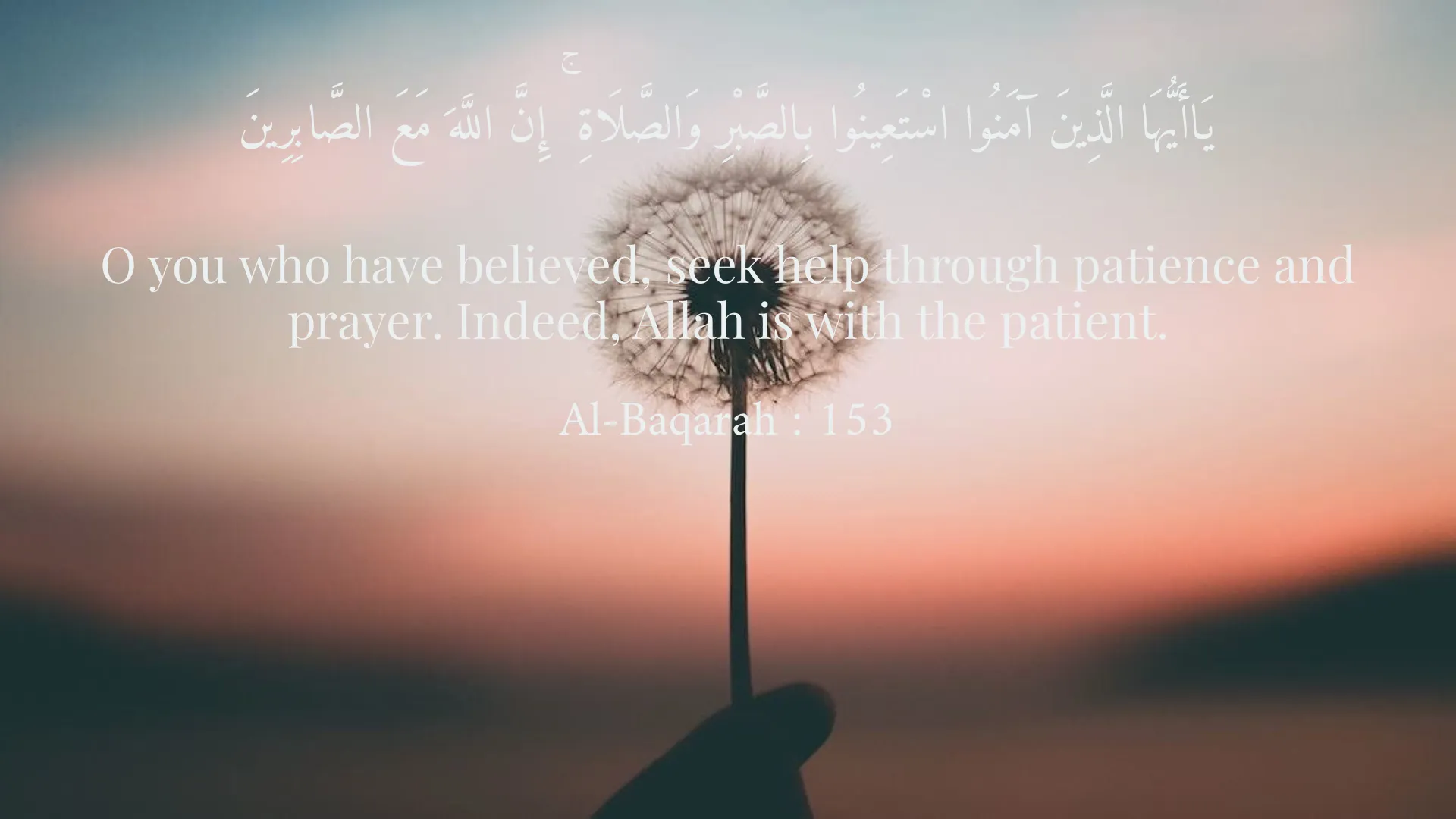
يَاأَيُّهَا الَّذِينَ آمَنُوا اسْتَعِينُوا بِالصَّبْرِ وَالصَّلَاةِ ۚ إِنَّ اللَّهَ مَعَ الصَّابِرِينَ
O you who have believed, seek help through patience and prayer. Indeed, Allah is with the patient.
Al-Baqarah : 153
إِنَّ الَّذِينَ قَالُوا رَبُّنَا اللَّهُ ثُمَّ اسْتَقَامُوا تَتَنَزَّلُ عَلَيْهِمُ الْمَلَائِكَةُ أَلَّا تَخَافُوا وَلَا تَحْزَنُوا وَأَبْشِرُوا بِالْجَنَّةِ الَّتِي كُنتُمْ تُوعَدُونَ
Indeed, those who have said, 'Our Lord is Allah' and then remained on a right course - the angels will descend upon them, [saying], 'Do not fear and do not grieve but receive good tidings of Paradise, which you were promised.'
Fussilat : 30
وَالْعَصْرِ
By time,
Al-Asr : 1
إِنَّ الْإِنسَانَ لَفِی خُسْرٍ
Indeed, mankind is in loss,
Al-Asr : 2
إِلَّا الَّذِینَ آمَنُوا وَعَمِلُوا الصَّالِحَاتِ وَتَوَاصَوْا بِالْحَقِّ وَتَوَاصَوْا بِالصَّبْرِ
Except for those who have believed and done righteous deeds and advised each other to truth and advised each other to patience.
Al-Asr : 3
Short Story
It is narrated that in ancient times, a pious and dervish-like man lived in a city whose people were deeply engrossed in worldly affairs and luxuries. He did not drown in the gold and glitter of the world; he had a simple home and kept his heart pure from any impurity. One day, the ruler of the city heard about his condition and was astonished by his simplicity and contentment. He ordered the man to be brought to the palace to inquire about his state. The dervish came to the palace with his usual dignity and calmness. The ruler asked, "O man, how do you manage not to attach your heart to this glittering city and remain so peaceful?" The dervish smiled and replied, "O ruler, I am like a bird that, although it perches on high branches, never takes root in the ground. I live in this world, but my heart is not attached to it. Just as the moon reflects in a pond but never mixes with the water, my heart is always directed towards my Lord, and this is what protects me from the impurities of the world. Those who cling to the world are like silkworms that trap themselves in their own cocoons, blocking their path." The ruler took heed of his words and understood that true peace lies in detachment from the world and connection to spirituality, not in accumulating wealth and status.